

Wool rug protection refers to preserving the natural fibers of a wool rug against wear, moth damage, moisture imbalance, and fiber breakdown. Because wool contains lanolin and organic protein, it reacts differently than synthetic materials. Protection decisions affect lifespan, structural stability, and long-term appearance, especially in climate-variable areas like Illinois.
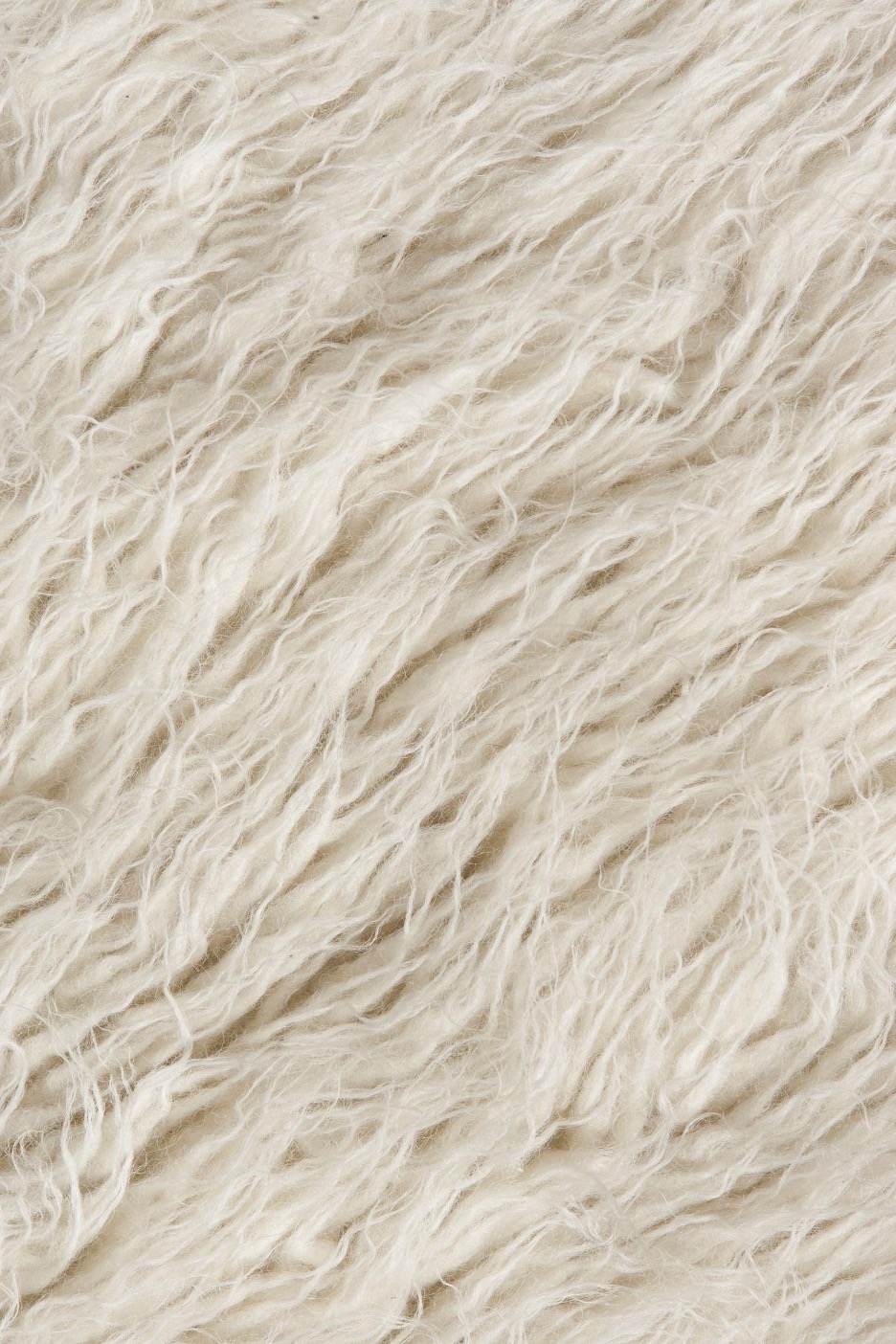
Why Does Wool Require Different Protection Than Other Fibers?
Wool is a natural protein fiber, not a plastic-based synthetic, so it responds to moisture, pests, and friction differently.
Unlike synthetic rugs, wool absorbs humidity and releases it gradually. This makes it resilient but also vulnerable to moth larvae and fiber weakening if stored improperly. Protection focuses on preserving the fiber’s internal structure, not coating the surface.
Is Lanolin Enough to Protect a Wool Rug?
Lanolin provides natural resistance, but it is not permanent protection.
Over time, lanolin diminishes due to wear and environmental exposure. Once reduced, wool fibers become more attractive to moth larvae and more sensitive to friction damage. Protection strategies must account for aging fiber, not just original material properties.
What Actually Happens When Wool Rugs Are Not Properly Protected?
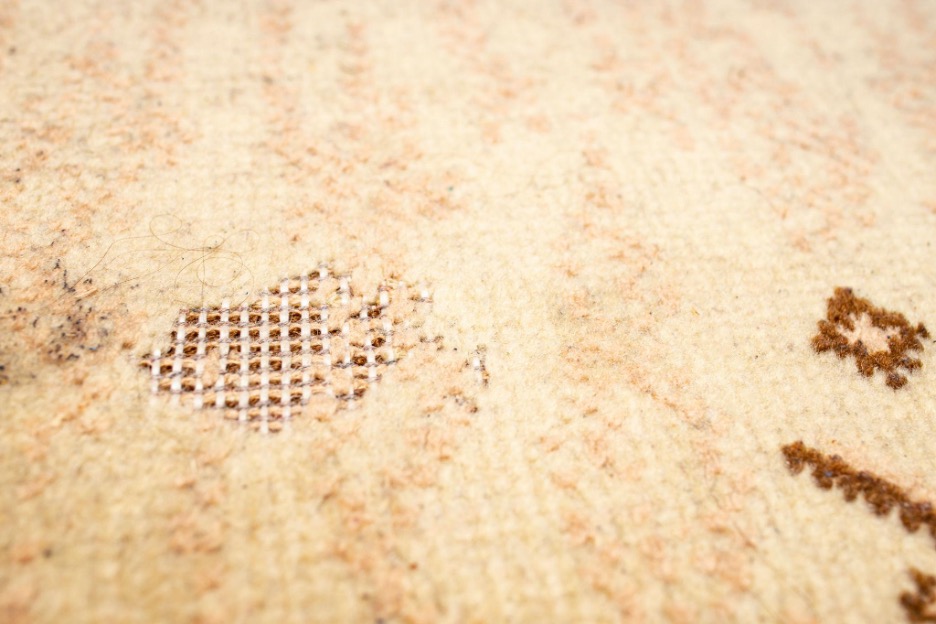
Visible fiber loss and thinning caused by moth activity demonstrate why wool rug protection matters even in clean homes. Early detection prevents structural weakening.
In real situations, homeowners in Illinois usually:
In real situations, homeowners in Illinois usually:
- Store wool rugs folded in basements with fluctuating humidity
- Assume regular vacuuming prevents moth activity
- Apply generic synthetic protectors not designed for protein fibers
Humidity swings weaken wool’s internal bonds. Moth larvae feed on the protein content of wool, not dirt. Improper protectants can stiffen fibers and reduce flexibility over time.
Should You Use a Protective Treatment on Wool Rugs?
Protective treatments can help, but only if they are fiber-compatible.
Some protectors designed for synthetic carpets create residue that alters wool’s natural breathability. The decision depends on rug age, pile density, and traffic exposure. For treatment-specific considerations, see Should You Apply Rug Protector to a Wool Rug?
How Does Storage Affect Wool Rug Preservation?
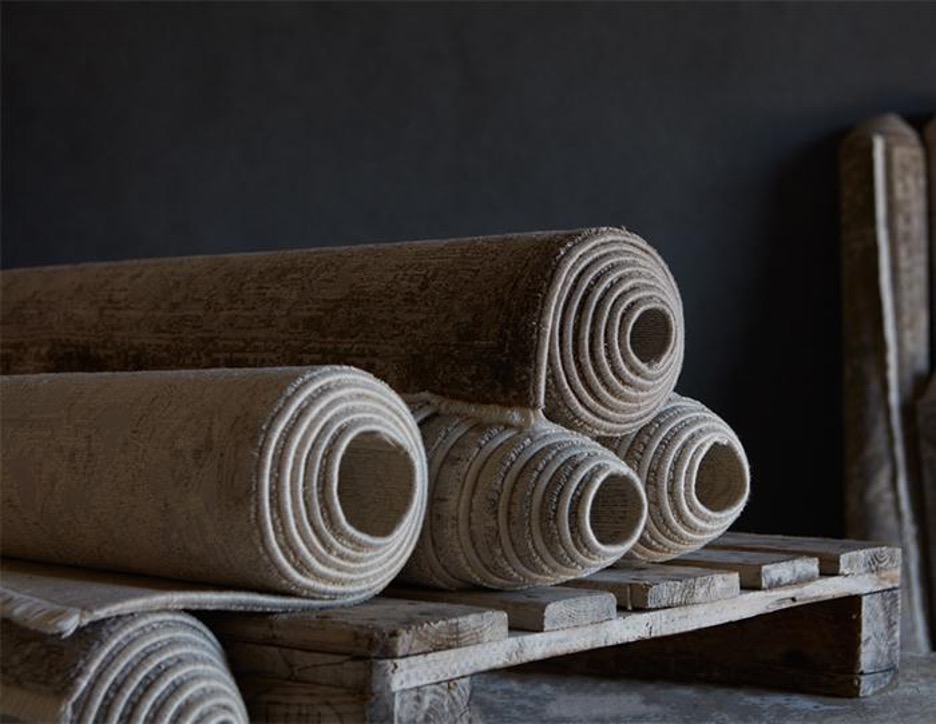
Wool rugs should be rolled and wrapped in breathable fabric to prevent humidity buildup. Plastic wrapping can trap moisture and weaken fibers over time.
Improper storage causes more long-term damage than daily use.
Wool rugs stored without airflow in plastic wrapping can trap residual moisture. This encourages fiber weakening and pest activity. For deeper analysis of pest-related risk, see Does a Wool Rug Need Moth Protection?
When This Approach Is the Wrong Choice
Wool-specific protection strategies are not necessary for:
- Fully synthetic rugs
- Decorative rugs used short-term
- Rugs already structurally compromised
If foundation threads are failing, structural repair matters more than protective measures. Protection preserves stable rugs; it does not reverse structural damage.
DECISION RECAP
If the rug is 100% wool and used in high-traffic areas → consider fiber-compatible protection.
If storage exceeds 3 months → prioritize breathable wrapping and pest prevention.
If the rug is antique wool → avoid generic protectors.
If moth activity has already occurred → address damage before applying protection.
Frequently Asked Questions
How often should wool rug protection be evaluated?
Wool rug protection should be reviewed every 12–24 months depending on traffic, humidity exposure, and storage conditions in Illinois homes. Fiber integrity changes gradually. Periodic inspection prevents unnoticed lanolin depletion or pest vulnerability before structural damage occurs.
Is wool rug protection expensive compared to replacement?
Protection is generally more cost-effective than replacement when the rug has structural integrity and long-term value. Preventative care maintains fiber strength. Once moth damage or fiber breakdown occurs, restoration becomes more complex and costly.
Do moths only attack dirty wool rugs?
Moths are attracted to the protein in wool fibers, not just dirt, which means even clean wool rugs remain vulnerable without proper protection. Larvae feed on keratin. Cleanliness helps but does not eliminate risk entirely.
About the Author:
This guide was developed by the textile specialists at Rouzati Rugs to help homeowners understand when specialized rug care decisions matter.