

If you’ve ever asked, “what is a rug made of?”, the useful answer is not just one fiber name. Rug materials dictate how a rug looks, feels underfoot, and holds up over time, from a formal silk showpiece to a hardworking entry rug in a snowy Chicago winter.
Quick Answer: What Are Rugs Typically Made Of?
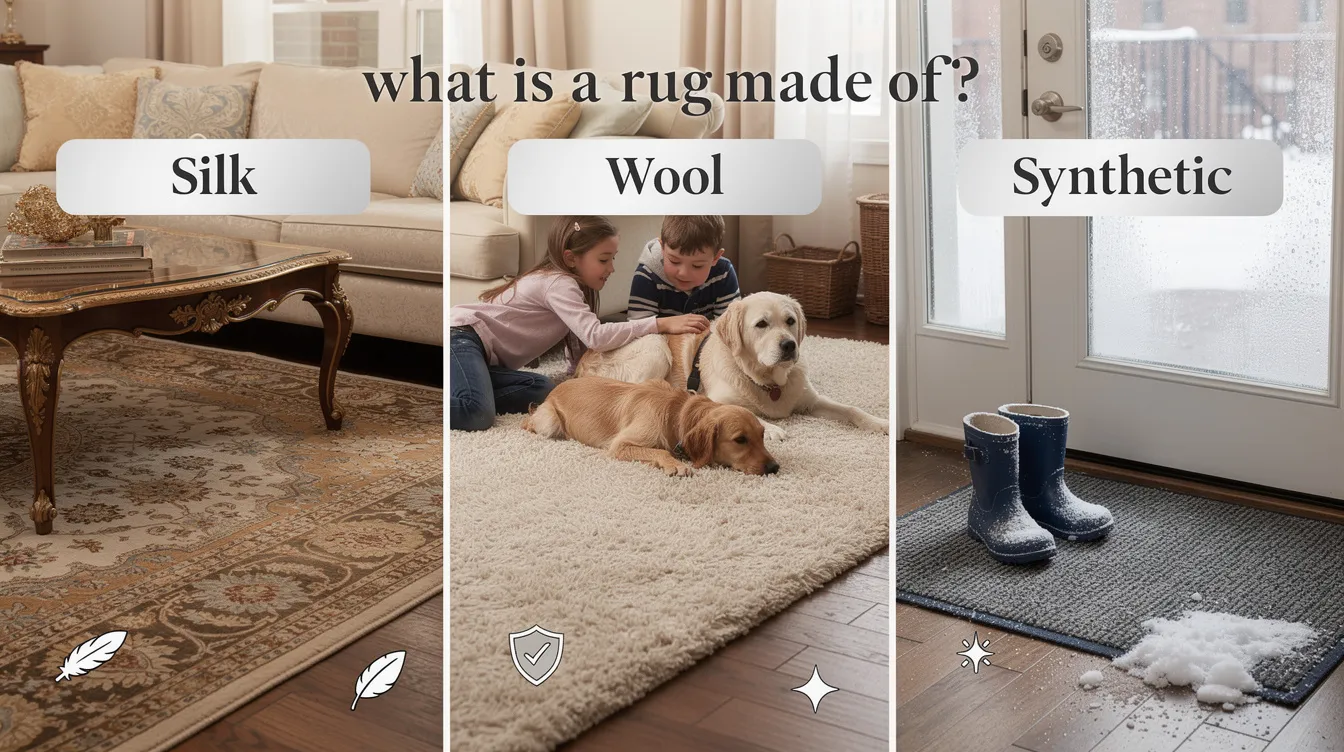
Rugs are made from natural fibers such as wool, cotton, silk, jute, and sisal; synthetic fibers such as polypropylene, polyester, and nylon; and semi-synthetic fibers such as viscose/rayon. The best rug material depends on the room, traffic level, budget, and care preferences-there is no single universal “best,” only the best-for-your-space choice.
Common rug materials include:
- wool: the gold standard for durability, elasticity, and excellent plushness.
- cotton rugs: soft, lightweight, affordable, and often machine washable.
- silk rugs: luxurious, smooth, and best for low traffic areas.
- jute rugs: eco-friendly, coarse, and valued for natural texture.
- sisal rugs: strong and tough, though not ideal for damp areas.
- polypropylene rugs: affordable, low maintenance, stain resistant, and useful for outdoor rugs.
- nylon: the most durable synthetic fiber, easy to clean, and strong under heavy foot traffic.
At Rouzati Rugs, many handmade rugs are hand knotted or hand-woven from natural fibers like wool, cotton, and silk, with natural fiber rugs and performance options for specific rooms.
How Rug Construction Works: Pile, Foundation, and Backing
A rug is more than surface yarn. Every area rug has pile, a foundation, and sometimes backing or a pad. Pile is the yarn you walk on; it may be cut pile, looped, long pile, medium pile height, or flat woven with no raised pile. Pile heights affect softness, cleaning, and wear.
The foundation uses warp and weft threads. In many hand knotted rugs, cotton warp and weft threads support wool or silk pile; antique pieces may use wool or cotton foundations. Dense handmade rugs may be described by knots per square inch.
Machine-made and tufted rugs often include secondary latex, synthetic, or jute-composite backing. Hand tufted rugs, for example, are hand tufted into a backing rather than individually knotted. Backing can affect flexibility, grip, indoor air, and odor. A separate rug pad-natural latex, felt, wool, or safe silicone-is recommended under most rugs; many common nonslip pads are made from PVC and rubber, which can contain phthalates linked to health issues.
Natural Fiber Rugs: Wool, Cotton, Jute, Sisal, Seagrass
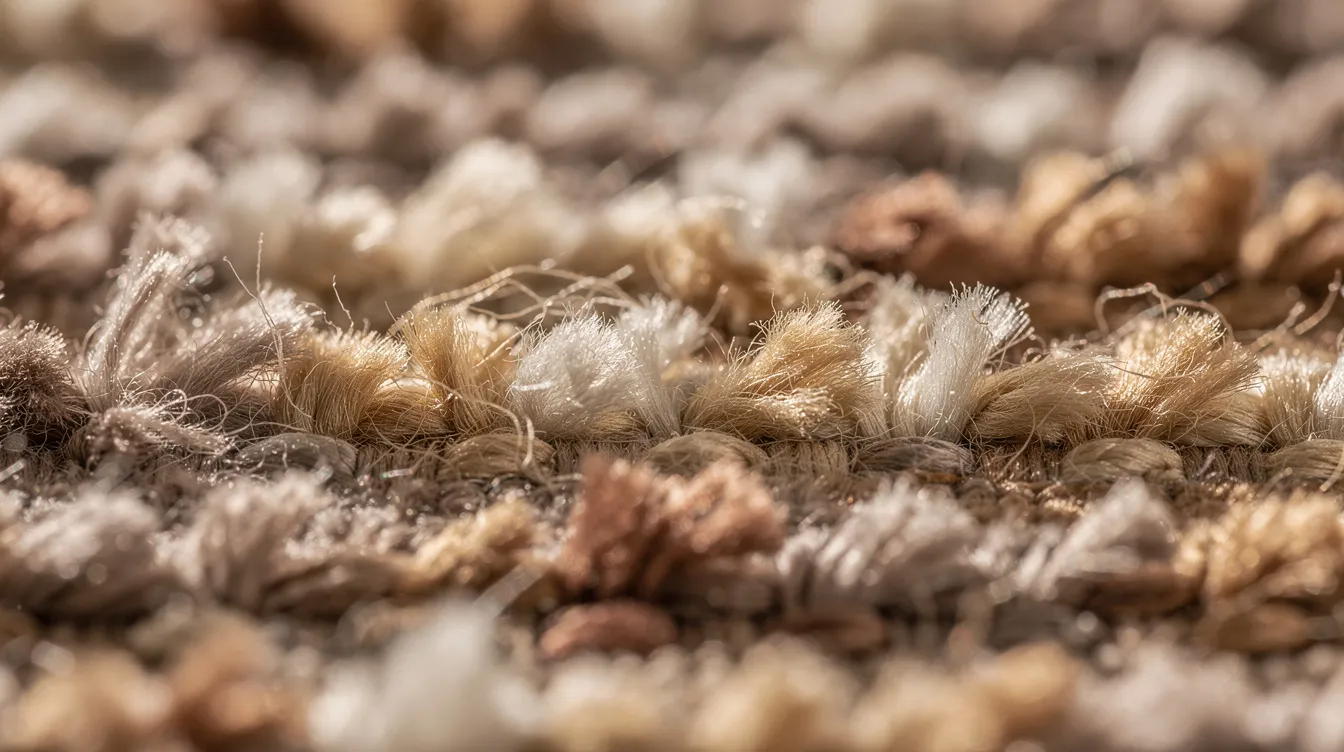
Natural fibers come from animals and plants. Homeowners in Wilmette, Evanston, and the Chicago North Shore often prefer natural materials for longevity, indoor air quality, and timeless home decor. Natural fiber rugs, such as those made from wool, cotton, jute, and sisal, are generally considered safer and healthier options because they are less likely to contain harmful chemicals compared to synthetic fibers.
Rouzati Rugs specializes in antique wool Orientals, transitional wool-and-silk designs, flat woven rugs, and natural fiber rugs that work across many interior styles, making it easy to style traditional rugs with modern interior design.
Wool: The Classic Natural Fiber for Area Rugs
Wool is a protein fiber from sheep fleece and one of the most commonly used fibers for rugs, known for durability, comfort, and elasticity, making it suitable for high-traffic areas. Wool rugs are known for their durability and resilience, making them suitable for high-traffic areas while also providing a soft and comfortable feel underfoot.
Wool is naturally elastic, hides soil well, and is naturally flame resistant without added flame retardants. In living rooms, family rooms, entries, and a dining room, wool is often the best material because it can withstand heavy foot traffic and still keep a cozy texture. Many Rouzati Rugs pieces are hand knotted wool on cotton foundations and become favorite rugs for decades.
Wool rugs often shed initially due to leftover fibers from production, but this shedding diminishes with regular vacuuming. Wool is not machine washable; use prompt blotting, regular vacuuming without an aggressive beater bar, and professional cleaning every 1–3 years.
Plant-Based Natural Fiber Rugs: Jute, Sisal, and Seagrass
Jute, sisal, and seagrass are plant fibers spun into textured yarns. Natural fibers like jute and sisal are hardwearing and recyclable, adding warmth and texture to spaces while being eco-friendly options.
Jute rugs are made from natural fibers and are known for their coarse texture and eco-friendliness, but they are not suitable for damp areas due to moisture absorption. Jute is softer but less resilient; sisal is strong and tough; both do not handle moisture well. Seagrass is smoother and more moisture resistant than jute, though still not ideal for damp environments.
These rugs add warmth, neutral colors, and a grounded look. We often use them as large, neutral bases layered with smaller wool or cotton rugs for color and comfort.
Luxury Natural Fibers: Silk and Wool–Silk Blends
Silk is produced by silkworms and prized for fine diameter, shine, and intricate pattern clarity. Silk rugs are associated with luxury and elegance, offering a soft texture and beautiful sheen, but they require special care and are best suited for low-traffic areas.
Silk is exceptionally soft, luxurious, and fragile, requiring professional cleaning. That is why silk is rarely the right rug for busy dining rooms, pets, or children. A silk Tabriz can be spectacular in a formal Wilmette parlor; a wool–silk modern design can work beautifully in a quiet home office.
Viscose/rayon mimics silk’s softness and sheen cheaply, but is highly fragile and degrades when wet. Viscose and bamboo silk are not true silk; they are delicate fibers best reserved for decorative spaces.
Synthetic Rug Fibers: Polypropylene, Polyester, Nylon, Viscose
Synthetic fibers are man-made, often from synthetic materials and petrochemicals. Synthetic rugs, synthetic fiber rugs, and microfiber rugs are common in power-loomed area rugs, indoor outdoor rugs, mudrooms, basements, and casual family spaces.
Some synthetic rugs can release harmful vocs at first, especially when adhesives, stain coatings, or backing materials are involved. Rugs are often treated with toxic chemicals such as flame retardants, toxic dyes, and water-resistant coatings, which can release volatile organic compounds (VOCs) into the air, potentially leading to respiratory problems and other health issues.
Polypropylene, Polyester, and Nylon: Everyday Performance Fibers
Polypropylene, polyester, and nylon are formed by a manufacturing process that extrudes polymers into filaments and spins them into yarn.
Polypropylene is the most popular synthetic fiber due to its high durability, stain resistance, and affordability. Polypropylene rugs are popular for their affordability and low maintenance, making them ideal for high-traffic areas and outdoor use. To clean a polypropylene rug, take it outside on a sunny day, use a few drops of mild soap, and clean it with a brush; some labels allow mild detergent rinsing.
Polyester is excellent for vibrant colors and intricate patterns but not as durable as nylon. Nylon is the most durable synthetic fiber, resists heavy traffic, and cleans easily. Nylon is known for its exceptional strength and resilience, stands up to heavy foot traffic, and retains its shape and color over time. Nylon maintains its vibrant color and shape for years, making it suitable for active family homes.
Viscose and “Art Silk”: Shiny but Delicate
Viscose is a semi-synthetic regenerated cellulose fiber made from wood pulp or bamboo. Viscose rugs can look incredibly soft and luminous, but they absorb moisture, crush easily, and are risky in dining rooms, kitchens, or homes with young kids and pets.
For low-traffic areas, such as bedrooms or formal living rooms, silk or viscose rugs can add elegance and comfort, but they require more careful maintenance. At Rouzati Rugs, viscose is used cautiously, where sheen matters more than decades-long durability.
Health and Indoor Air: What Your Rug Is Made Of Matters
Rug fiber, dyes, backing, and pad materials can affect indoor air. Clients concerned about harmful chemicals, toxic chemicals, and odor often prefer natural fibers like wool, cotton, jute, and sisal, low-VOC dyes, and natural backing materials instead of PVC-heavy products.
Use high-quality pads made from natural felt, natural latex, or safer silicone. Vacuum regularly with a HEPA-filter vacuum, and also vacuum the back of the rug to eliminate settled dust. For more general guidance on indoor VOC exposure, the EPA explains volatile organic compounds.
Matching Rug Material to Room: Dining, Living, Bedrooms, and Outdoors
Choosing the right rug material depends on the traffic level of the room and budget. When selecting a rug for high-traffic areas, consider materials like wool or synthetic fibers, which are known for durability and ease of maintenance.
A simple guide:
- dining room and living rooms: wool, wool blends, or fade resistant patterned rugs.
- bedrooms: wool, cotton, silk, or viscose for soft feel and cozy feel.
- kitchens and baths: cotton rugs if washable; avoid jute in damp areas.
- entries: low-pile wool, nylon, or polypropylene for foot traffic and snow.
- patios and porches: indoor outdoor rugs and polypropylene.
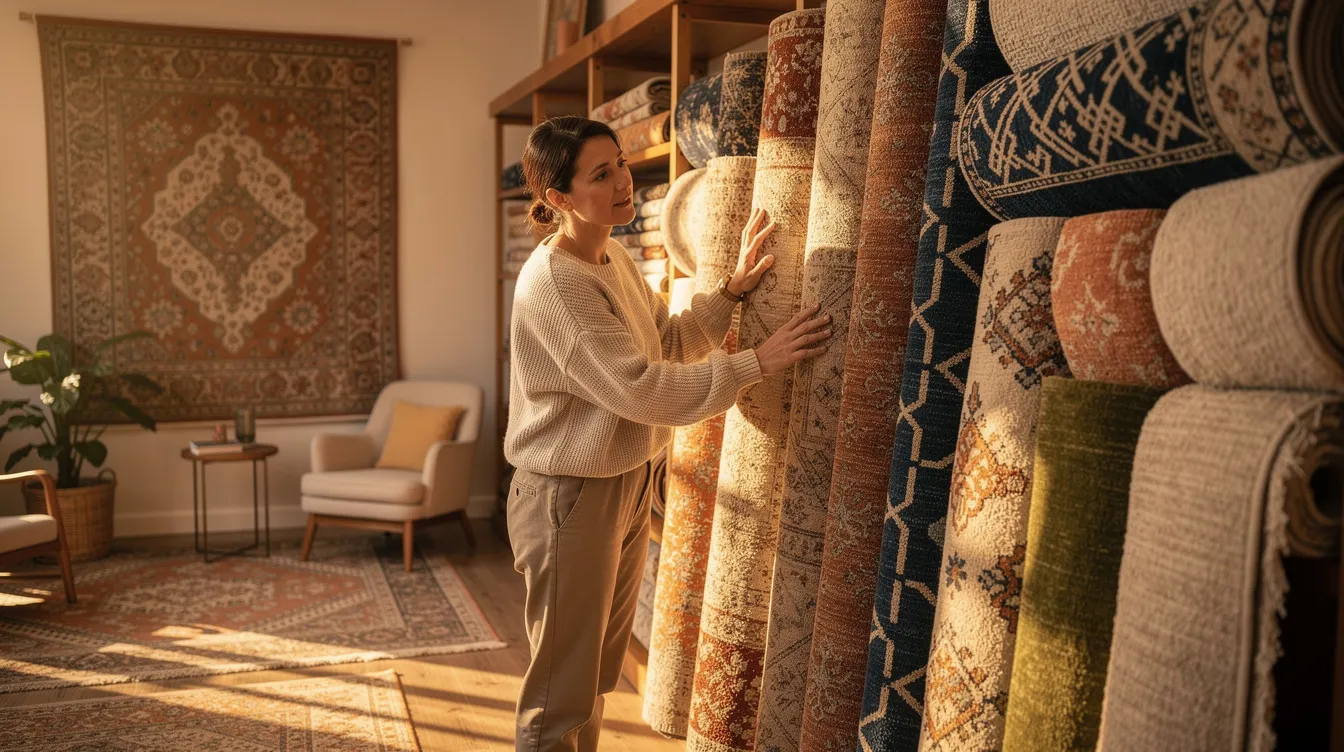
Natural fiber rugs, like jute and sisal, are ideal for adding texture and warmth to a room, but they may not be suitable for damp areas due to moisture absorption. With in-home trials, Rouzati Rugs helps clients see how color, scale, and texture respond to real light.
Care and Longevity: How Material Affects Maintenance
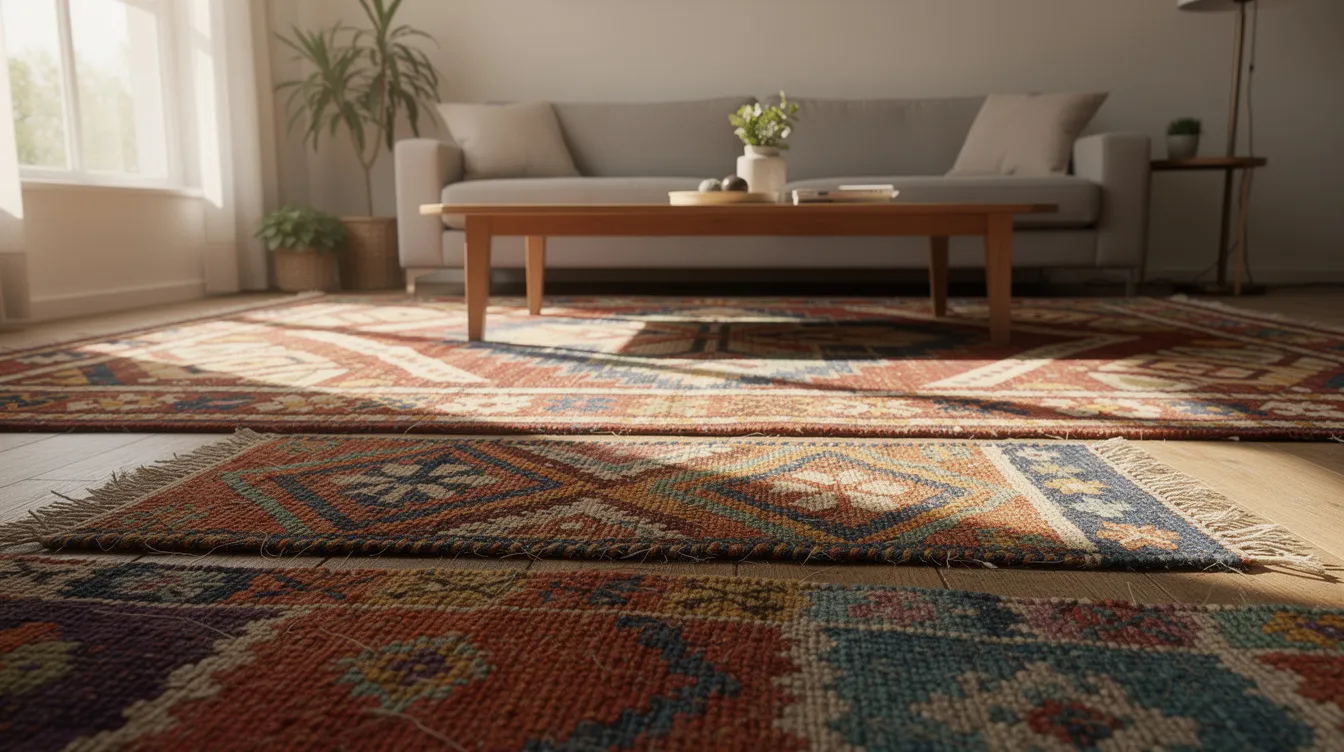
What a rug is made of determines cleaning frequency, whether it is machine washable, and how it may look in 10–20 years. Wool and high-quality natural fibers can last generations with periodic professional cleaning. Cotton rugs and some synthetic rugs are easier to wash but may have shorter lifespans. Jute and sisal need dry, gentle care.
Regular vacuuming of rugs is essential to remove dust and dirt, and it is recommended to vacuum the back of the rug as well to eliminate settled dust. Rotate rugs annually, blot spills immediately, and avoid harsh DIY cleaning on silk or viscose.
Rouzati Rugs provides rug cleaning, rug repair, binding/serging, fringe repair, and reweaving for antique and vintage pieces.
How Rouzati Rugs Helps You Choose the Right Rug Material
Rouzati Rugs is a family-owned resource in Wilmette and Evanston for antique, vintage, modern, transitional, custom, and performance rugs. We help homeowners and interior design professionals compare wool, silk, cotton, jute, sisal, nylon, polypropylene, viscose, and other fibers with honest guidance.
The ultimate design chameleons are not always the trendiest rugs-they are the right rug materials for how you actually live. Visit our showroom or schedule a consultation in the Chicago North Shore area to choose materials that make rug shopping confident, practical, and lasting.
These rugs add warmth, neutral colors, and a grounded look. We often use them as large, neutral bases layered with smaller wool or cotton rugs for color and comfort.
Luxury Natural Fibers: Silk and Wool–Silk Blends
Silk is produced by silkworms and prized for fine diameter, shine, and intricate pattern clarity. Silk rugs are associated with luxury and elegance, offering a soft texture and beautiful sheen, but they require special care and are best suited for low-traffic areas.
Silk is exceptionally soft, luxurious, and fragile, requiring professional cleaning. That is why silk is rarely the right rug for busy dining rooms, pets, or children. A silk Tabriz can be spectacular in a formal Wilmette parlor; a wool–silk modern design can work beautifully in a quiet home office.
Viscose/rayon mimics silk’s softness and sheen cheaply, but is highly fragile and degrades when wet. Viscose and bamboo silk are not true silk; they are delicate fibers best reserved for decorative spaces.
Synthetic Rug Fibers: Polypropylene, Polyester, Nylon, Viscose
Synthetic fibers are man-made, often from synthetic materials and petrochemicals. Synthetic rugs, synthetic fiber rugs, and microfiber rugs are common in power-loomed area rugs, indoor outdoor rugs, mudrooms, basements, and casual family spaces.
Some synthetic rugs can release harmful vocs at first, especially when adhesives, stain coatings, or backing materials are involved. Rugs are often treated with toxic chemicals such as flame retardants, toxic dyes, and water-resistant coatings, which can release volatile organic compounds (VOCs) into the air, potentially leading to respiratory problems and other health issues.
Polypropylene, Polyester, and Nylon: Everyday Performance Fibers
Polypropylene, polyester, and nylon are formed by a manufacturing process that extrudes polymers into filaments and spins them into yarn.
Polypropylene is the most popular synthetic fiber due to its high durability, stain resistance, and affordability. Polypropylene rugs are popular for their affordability and low maintenance, making them ideal for high-traffic areas and outdoor use. To clean a polypropylene rug, take it outside on a sunny day, use a few drops of mild soap, and clean it with a brush; some labels allow mild detergent rinsing.
Polyester is excellent for vibrant colors and intricate patterns but not as durable as nylon. Nylon is the most durable synthetic fiber, resists heavy traffic, and cleans easily. Nylon is known for its exceptional strength and resilience, stands up to heavy foot traffic, and retains its shape and color over time. Nylon maintains its vibrant color and shape for years, making it suitable for active family homes.
Viscose and “Art Silk”: Shiny but Delicate
Viscose is a semi-synthetic regenerated cellulose fiber made from wood pulp or bamboo. Viscose rugs can look incredibly soft and luminous, but they absorb moisture, crush easily, and are risky in dining rooms, kitchens, or homes with young kids and pets.
For low-traffic areas, such as bedrooms or formal living rooms, silk or viscose rugs can add elegance and comfort, but they require more careful maintenance. At Rouzati Rugs, viscose is used cautiously, where sheen matters more than decades-long durability.
Health and Indoor Air: What Your Rug Is Made Of Matters
Rug fiber, dyes, backing, and pad materials can affect indoor air. Clients concerned about harmful chemicals, toxic chemicals, and odor often prefer natural fibers like wool, cotton, jute, and sisal, low-VOC dyes, and natural backing materials instead of PVC-heavy products.
Use high-quality pads made from natural felt, natural latex, or safer silicone. Vacuum regularly with a HEPA-filter vacuum, and also vacuum the back of the rug to eliminate settled dust. For more general guidance on indoor VOC exposure, the EPA explains volatile organic compounds.
Matching Rug Material to Room: Dining, Living, Bedrooms, and Outdoors
Choosing the right rug material depends on the traffic level of the room and budget. When selecting a rug for high-traffic areas, consider materials like wool or synthetic fibers, which are known for durability and ease of maintenance.
A simple guide:
- dining room and living rooms: wool, wool blends, or fade resistant patterned rugs.
- bedrooms: wool, cotton, silk, or viscose for soft feel and cozy feel.
- kitchens and baths: cotton rugs if washable; avoid jute in damp areas.
- entries: low-pile wool, nylon, or polypropylene for foot traffic and snow.
- patios and porches: indoor outdoor rugs and polypropylene.
Natural fiber rugs, like jute and sisal, are ideal for adding texture and warmth to a room, but they may not be suitable for damp areas due to moisture absorption. With in-home trials, Rouzati Rugs helps clients see how color, scale, and texture respond to real light.
Care and Longevity: How Material Affects Maintenance
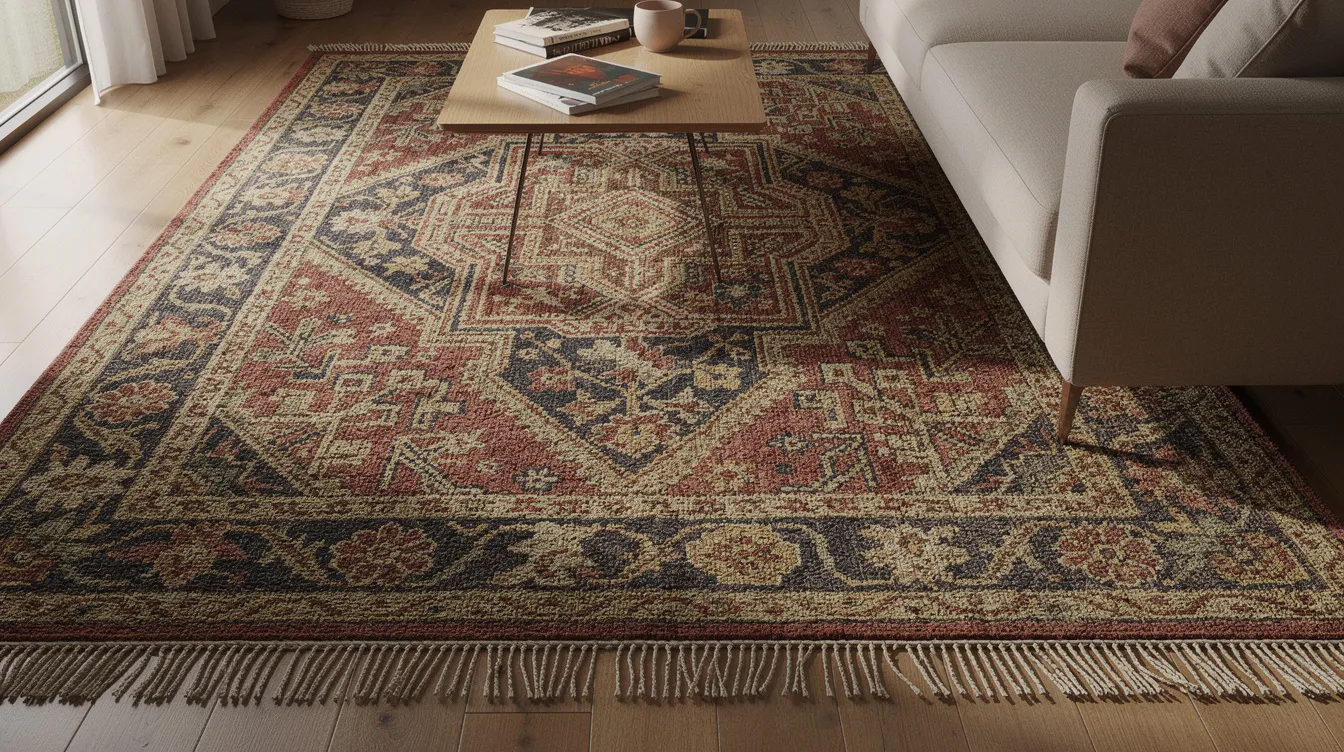
What a rug is made of determines cleaning frequency, whether it is machine washable, and how it may look in 10–20 years. Wool and high-quality natural fibers can last generations with periodic professional cleaning. Cotton rugs and some synthetic rugs are easier to wash but may have shorter lifespans. Jute and sisal need dry, gentle care.
Regular vacuuming of rugs is essential to remove dust and dirt, and it is recommended to vacuum the back of the rug as well to eliminate settled dust. Rotate rugs annually, blot spills immediately, and avoid harsh DIY cleaning on silk or viscose.
Rouzati Rugs provides rug cleaning, rug repair, binding/serging, fringe repair, and reweaving for antique and vintage pieces.
How Rouzati Rugs Helps You Choose the Right Rug Material
Rouzati Rugs is a family-owned resource in Wilmette and Evanston for antique, vintage, modern, transitional, custom, and performance rugs. We help homeowners and interior design professionals compare wool, silk, cotton, jute, sisal, nylon, polypropylene, viscose, and other fibers with honest guidance.
The ultimate design chameleons are not always the trendiest rugs-they are the right rug materials for how you actually live. Visit our showroom or schedule a consultation in the Chicago North Shore area to choose materials that make rug shopping confident, practical, and lasting.