

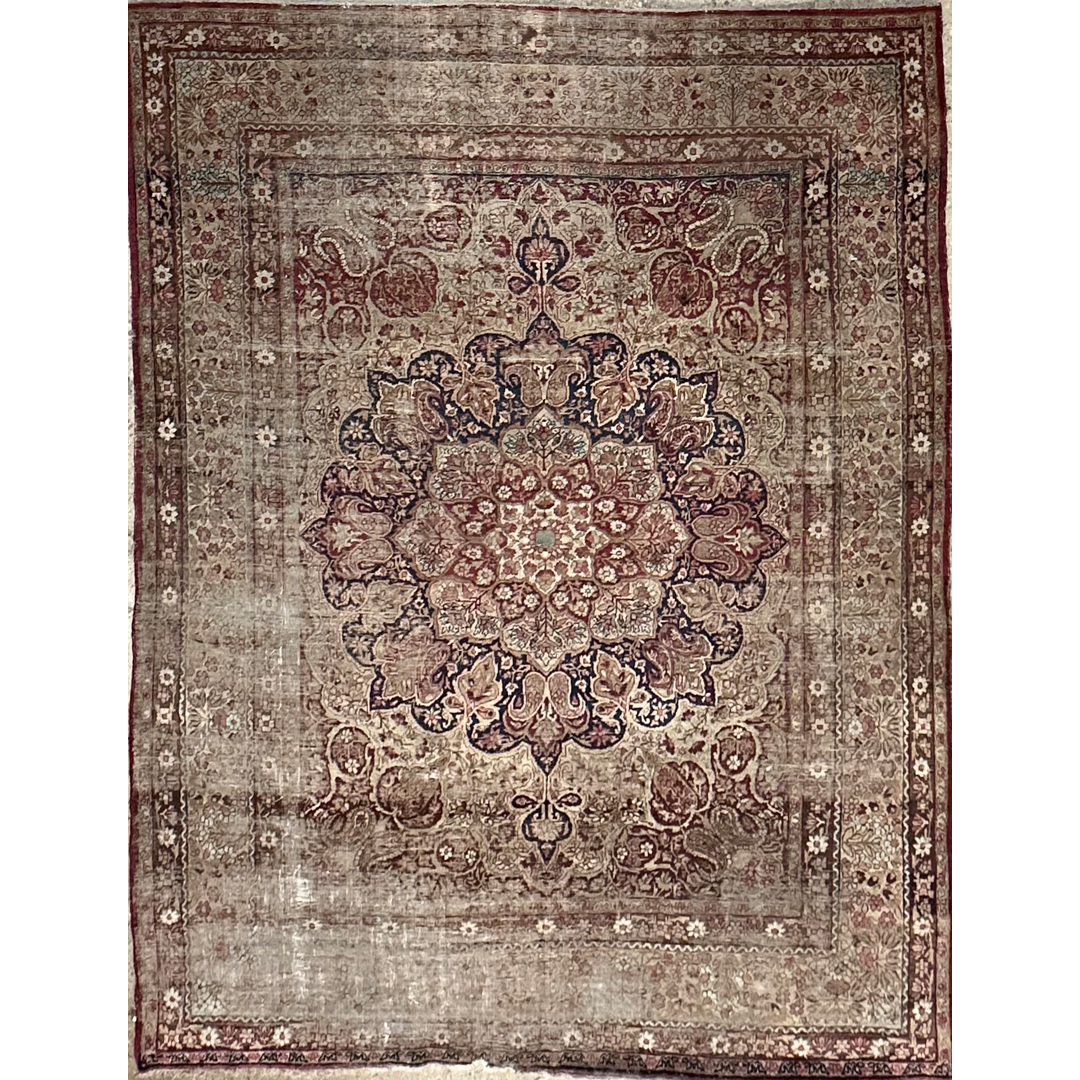
Antique Persian Lavar Kermanshah Rug – Circa 1870’s – 6’8″ x 8’7″ ft.
$3,000.00Color: Red
Style: Traditional
Size (ft): 6’8″ x 8’7″
Shape: Rectangle
Rug ID: RRI# A800-1 108713
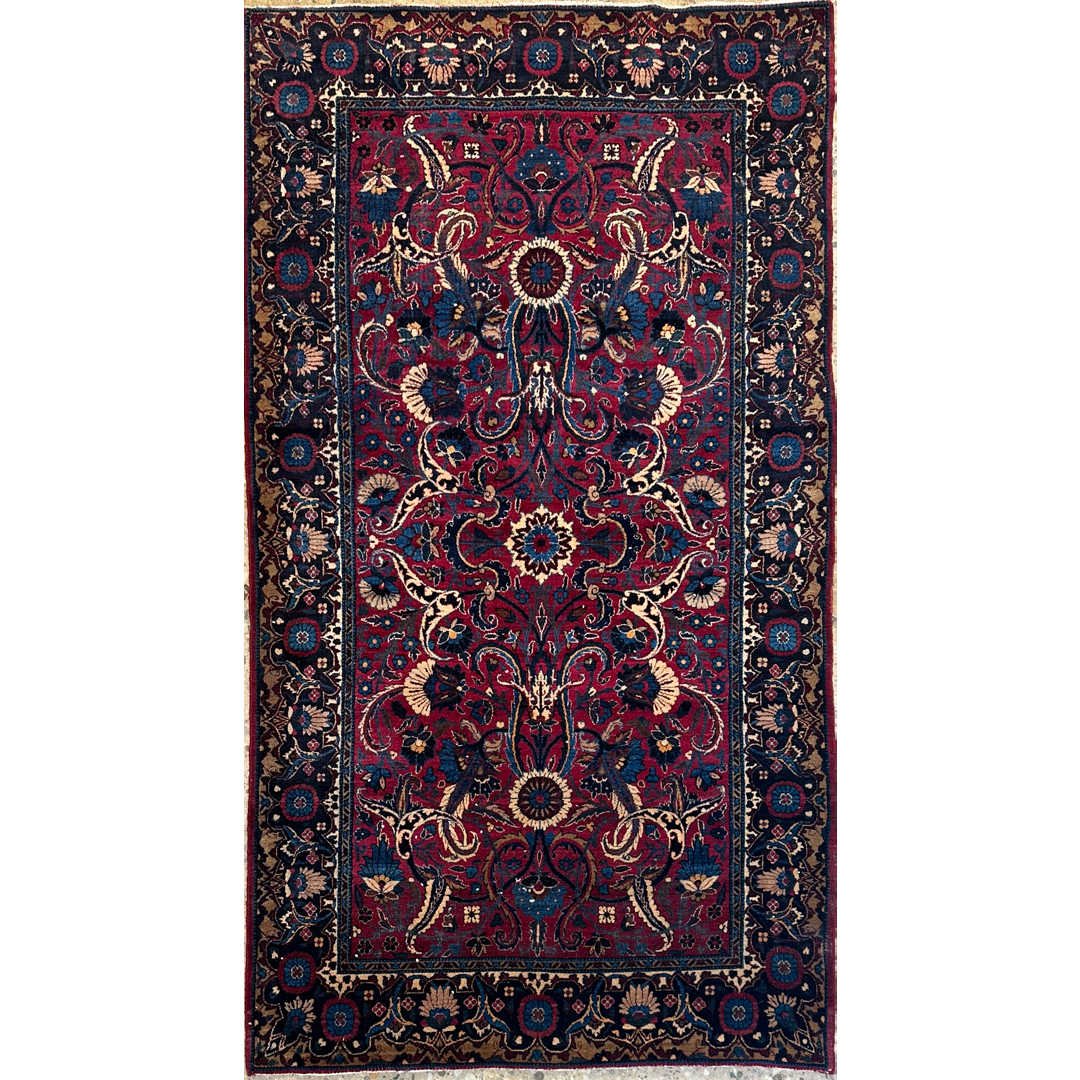
Plum Persian – Antique Lavar Kerman Rug – 4′ x 7′ ft.
$8,500.00Color: Blue, Red
Style: Traditional
Size (ft): 4 x 7
Shape: Rectangle
Rug ID: RRI# A3000-1 108565
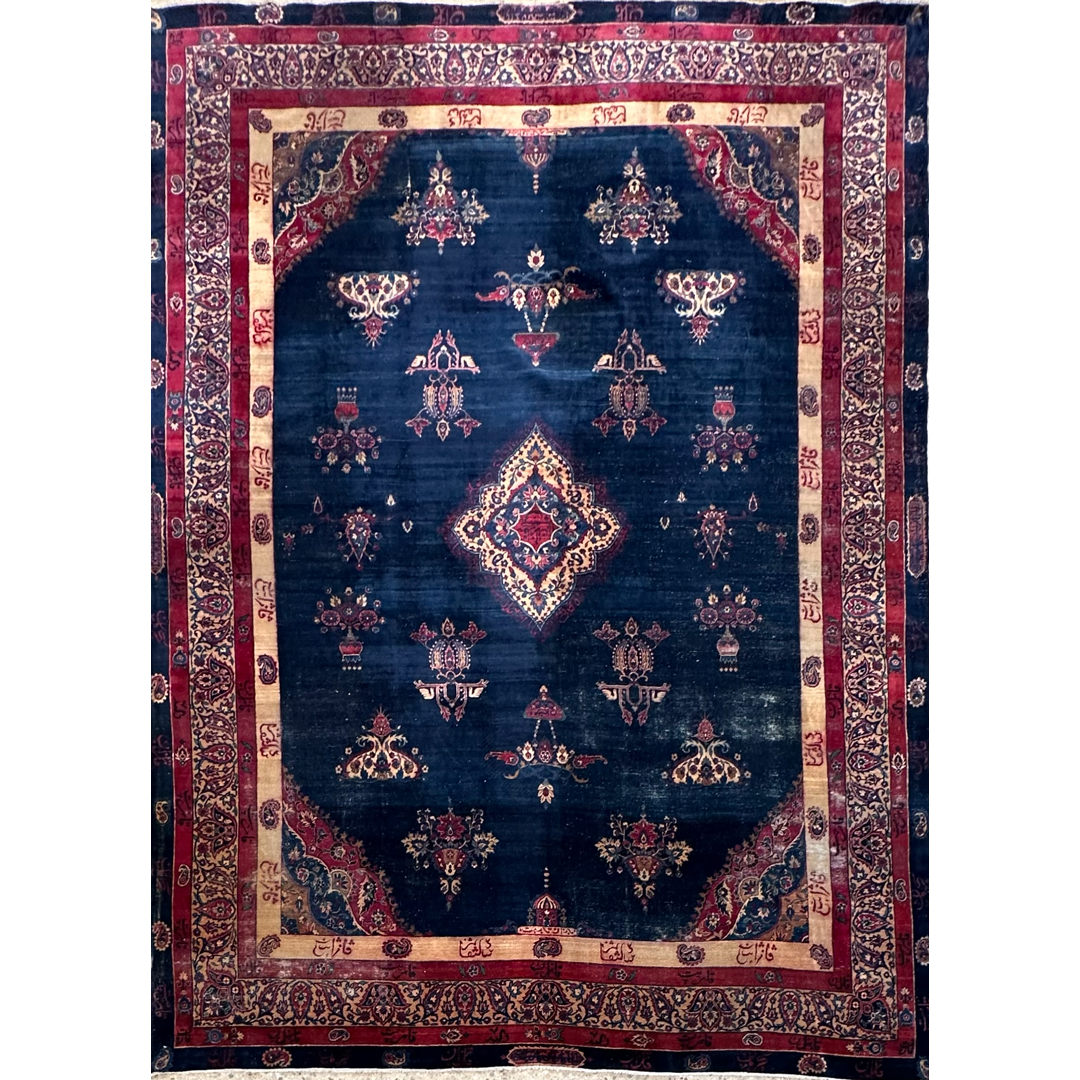
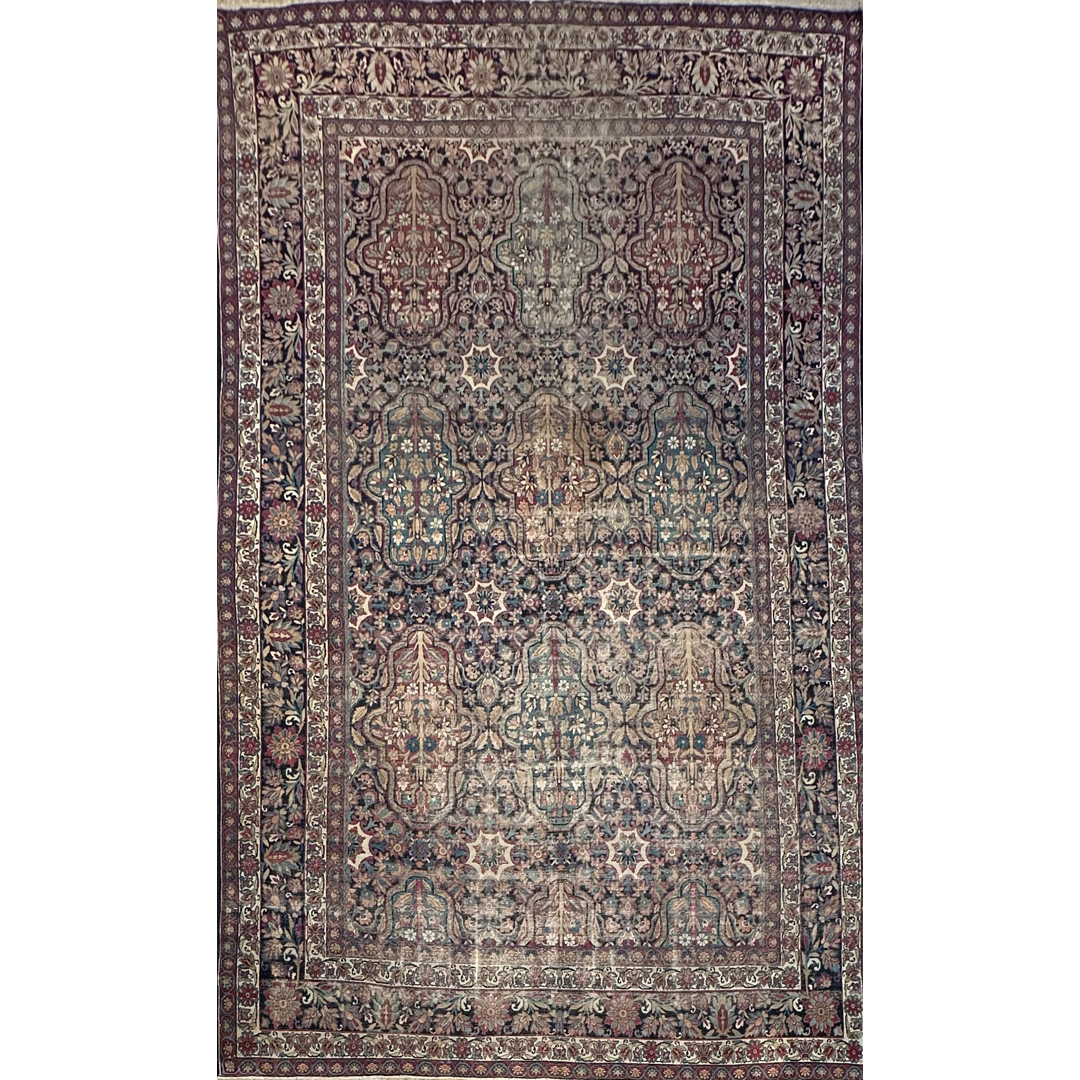
Lovely Lavar Kerman – 1880s Antique Persian Kermanshah Rug – 8’9″ x 14’7″ ft.
$12,000.00Color: Purple, Beige
Style: Traditional
Size (ft): 8’9″ x 14’7″
Shape: Rectangle
Rug ID: RRI# A3000-1 106048
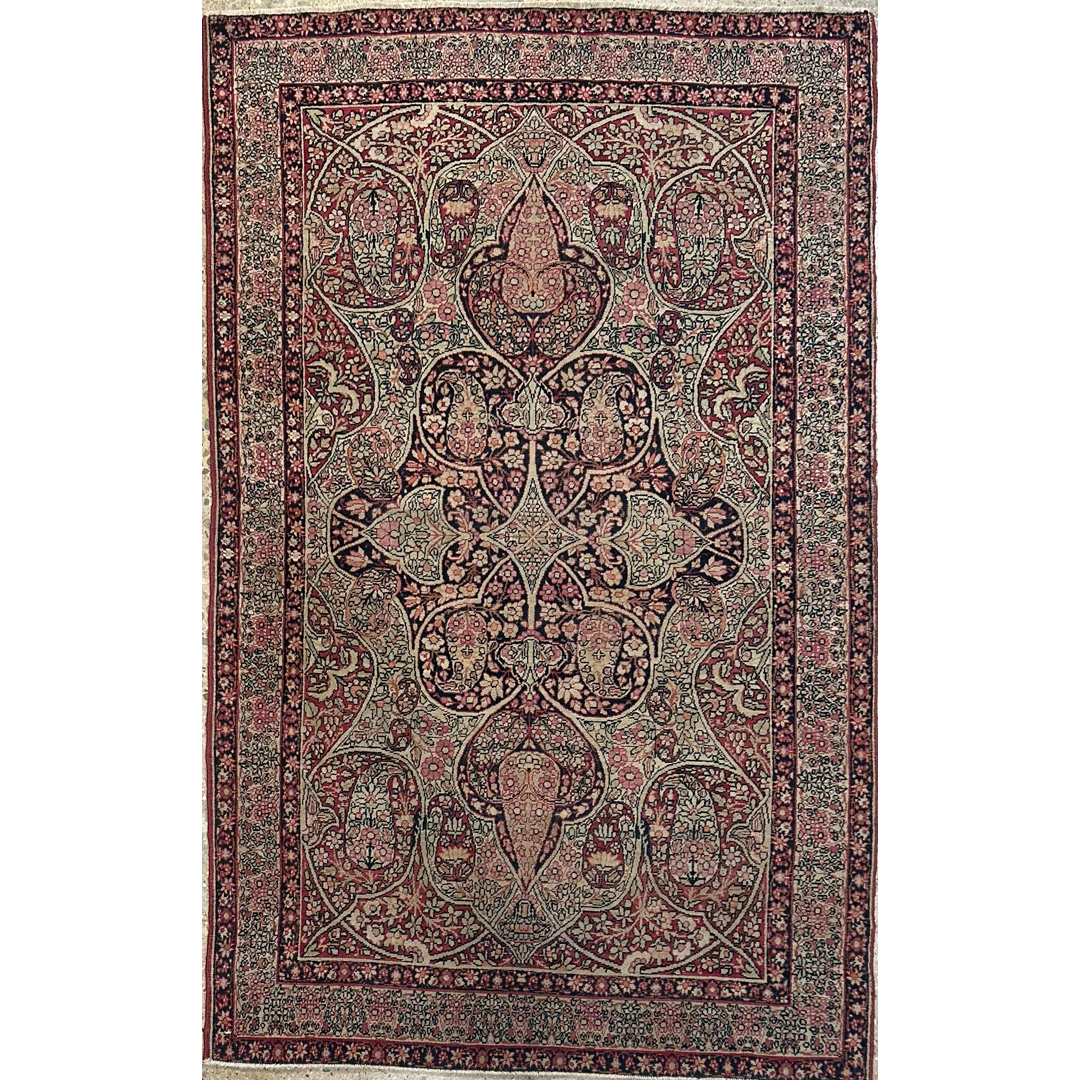
Lovely Lavar Kerman – 1880s Antique Persian Rug – 3’5″ x 5’6″ ft.
$2,500.00Color: Purple, Pink, Brown
Style: Traditional
Size (ft): 3’5″ x 5’6″
Shape: Rectangle
Rug ID: RRI# A600-1 105900
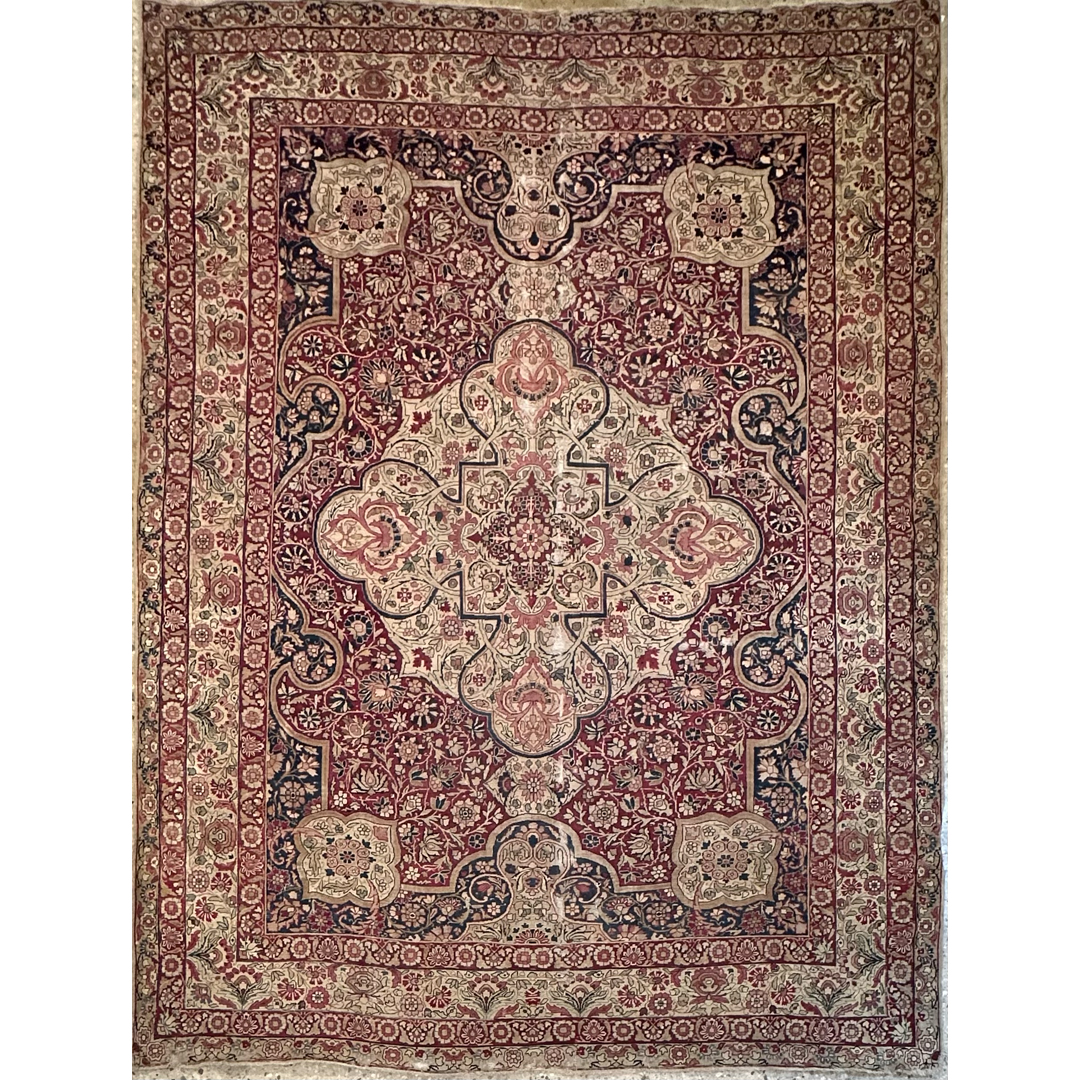


Antique Persian Lavar Kermanshah Rug – Circa 1870’s – 6’8″ x 8’7″ ft.
$3,000.00Color: Red
Style: Traditional
Size (ft): 6’8″ x 8’7″
Shape: Rectangle
Rug ID: RRI# A800-1 108713
Plum Persian – Antique Lavar Kerman Rug – 4′ x 7′ ft.
$8,500.00Color: Blue, Red
Style: Traditional
Size (ft): 4 x 7
Shape: Rectangle
Rug ID: RRI# A3000-1 108565
Lovely Lavar Kerman – 1880s Antique Persian Kermanshah Rug – 8’9″ x 14’7″ ft.
$12,000.00Color: Purple, Beige
Style: Traditional
Size (ft): 8’9″ x 14’7″
Shape: Rectangle
Rug ID: RRI# A3000-1 106048
Lovely Lavar Kerman – 1880s Antique Persian Rug – 3’5″ x 5’6″ ft.
$2,500.00Color: Purple, Pink, Brown
Style: Traditional
Size (ft): 3’5″ x 5’6″
Shape: Rectangle
Rug ID: RRI# A600-1 105900
The Ultimate Guide to Lavar Kerman Rugs: A Masterpiece of Persian Weaving
In the vast and storied world of antique carpets, few names command as much respect and admiration as the Lavar Kerman rug. Known for their ethereal beauty, intricate floral details, and unparalleled craftsmanship, these rugs are not merely floor coverings; they are woven history.
If you are a collector searching for antique Lavar Kerman rugs or a homeowner looking to elevate your space with a fine Persian rugs Lavar, understanding the nuance of this specific provenance is essential. Whether you are wondering, “Are Lavar rugs valuable?” or simply want to know what makes Lavar Kerman rugs unique, this guide explores the artistry, value, and legacy of these textile masterpieces.
What Are Lavar Kerman Rugs?
To answer the common question, “What are Lavar Kerman rugs?”, one must look to the geography of Persia (modern-day Iran). While “Kerman” refers to a major city and province famous for weaving, “Lavar” (often spelled Ravar) is a specific village located roughly 120 miles north of Kerman city.
Where are Lavar rugs made? They are crafted in this specific village of Ravar. Historically, the weavers of Ravar were known for producing the finest, most intricate, and most technically superior carpets in the region. Over time, the trade name “Lavar Kerman rug” (or simply Lavar Kerman) became synonymous with the “crème de la crème” of Kerman production. When you see a Lavar Kerman carpet for sale, it typically denotes a piece that exceeds the standard Kerman production in terms of knot density and design complexity.
Lavar vs. Kerman: What is the Difference?
A frequent point of confusion for buyers is determining what is the difference between Lavar and Kerman rugs.
While both originate from the same province and share similar DNA, the distinction lies in refinement:
- Weave Density: Hand knotted Lavar rugs typically feature a much higher knot count than standard city Kerman rugs. This high density allowed weavers to execute razor-sharp designs with incredible detail.
- Pile Height: Vintage Lavar Kerman rugs are often shaved very short. This low pile accentuates the crispness of the design, giving the rug a fabric-like handle rather than a thick, plush feel.
- Color Palette: The Lavar Kerman design is famous for its unique coloration. Unlike the deep reds and navy blues of many Persian rugs, Lavar rugs often utilize a pastel palette. You will frequently find soft pinks, celadon greens, champagnes, and sky blues—colors that were highly prized by European and American aristocracy in the 19th century.
The Artistry: Design and Aesthetics
The artistic scope of Lavar Kerman rugs is breathtaking. They are famously known as the “picture rugs” of Persia because of their ability to render lifelike images.
Floral and Medallion Masterpieces
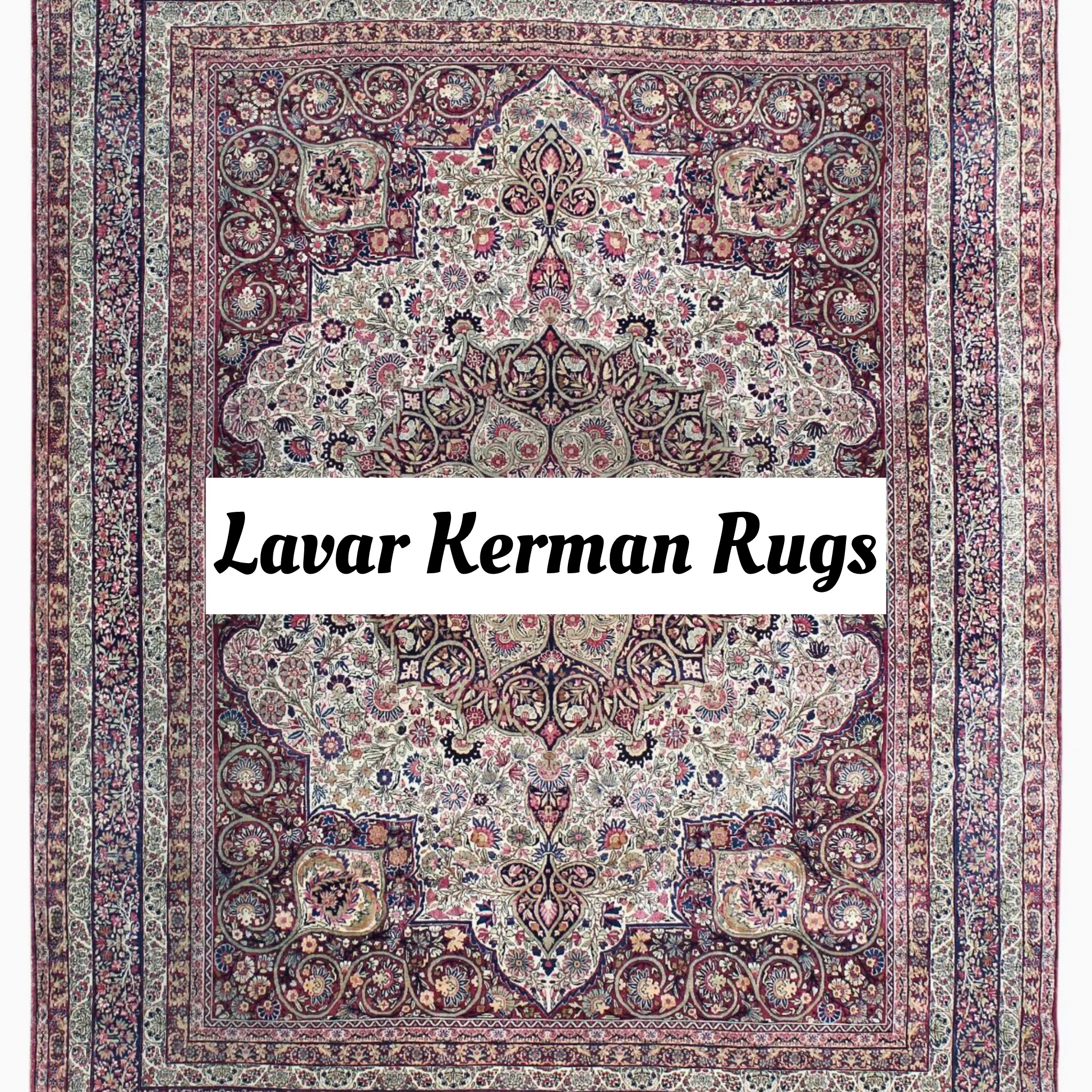
The most iconic look is the Lavar Kerman floral rug. These pieces often feature an intricate Lavar Kerman medallion design, surrounded by a field of dense botanicals. The “Millefleurs” (thousand flowers) pattern is a hallmark of this region, where the rug surface appears to be a garden in full bloom.
Pictorial and Storytelling Rugs
Because of their fine weave, Lavar weavers were able to create Lavar Kerman pictorial rugs. These are rare and highly collectible. They depict scenes from Persian history, mythology, or European paintings. Similarly, the Lavar Kerman hunting scene rug is a coveted style featuring kings on horseback, deer, and falcons, woven with almost photographic precision.
The Tree of Life
Another spiritual and popular motif is the Lavar Kerman tree of life rug. These designs feature a central tree ascending from a vase, symbolizing the connection between the earth and the divine, often filled with birds and flowers.
Materials: Wool, Silk, and Structure
Why are Lavar rugs expensive? It begins with the materials. The region is known for its “Carmania wool,” which is exceptionally soft, lustrous, and durable.
While most are 100% wool pile on a cotton foundation, you will occasionally find wool and silk Lavar rugs. In these pieces, silk is used to highlight specific outlines of flowers or birds, adding a shimmering dimension to the matte wool.
Are Lavar Kerman rugs silk?
Generally, no. Pure silk Lavar rugs exist but are incredibly rare. Most are fine wool. However, the wool is often so fine and the pile so short that it can feel as smooth as silk to the touch.
Value and Identification
If you are looking to buy, you might ask: How to identify a Lavar Kerman rug?
- Check the Weave: Look for a tight, consistent weave on the back. You should be able to see the pattern clearly on the reverse side.
- The “Signature”: A signed Lavar rug (or Lavar rug with signature) commands a premium. Master weavers or workshop heads would weave their names into the border of the rug (often in a cartouche) as a mark of pride.
- Design Complexity: If the floral details look blocky or pixelated, it is likely a standard Kerman. If the petals curve gracefully and the details are sharp, it is likely a Lavar.
How much are Lavar rugs worth? The value varies wildly based on condition, age, and artistry.
- Old Lavar carpets (circa 1880–1910) in good condition can fetch tens of thousands of dollars.
- Antique Lavar Kerman rugs with rare designs (like pictorials) are considered investment-grade art.
- Standard Lavar rugs for sale can range from $2,000 for smaller worn pieces to $50,000+ for palace-sized masterpieces.
Care and Maintenance
Owning a piece of history requires responsibility. How to clean a Lavar Kerman rug is a delicate matter.
Because these rugs often have a low pile and use natural dyes, they should never be steam cleaned or subjected to harsh chemicals.
- Vacuuming: Use low suction and avoid the beater bar, especially on the fringes.
- Spills: Blot immediately; do not rub.
- Professional Care: Due to their value, these rugs require hand-washing by experts who understand antique textiles. If you are in the Midwest, we highly recommend utilizing professional rug services in Chicago to ensure the longevity of your investment.
Where to Buy Lavar Kerman Rugs
Finding a genuine Persian Lavar rug requires visiting a reputable dealer. While you can find Lavar rugs for sale online, seeing them in person is invaluable to appreciate the sheen of the wool and the true colors.
If you are searching for a rug store in Chicago, you will find that specialized dealers can guide you through the provenance of each piece. Whether you are looking for vintage Lavar Kerman rug runners for a hallway or a massive library carpet, ensure you are buying from a source that guarantees authenticity.
Shopping Tips:
- Size Matters: These rugs were often commissioned for large spaces. Check a Rug Size Guide before purchasing to ensure the medallion centers perfectly in your room.
- Condition Reports: Ask about previous repairs. “Painted” rugs (where worn areas are colored in with marker) are common in lower-quality Kermans but should be avoided in fine Lavar investments.
Conclusion: A Timeless Investment
The Lavar Kerman rug remains one of the most prestigious acquisitions for any interior. Its ability to blend the Persian Ravar Kerman rug tradition with a color palette that suits Western tastes has kept it in style for over a century.
From the romantic Floral Rugs of the Victorian era to the geometric intricacies of early 20th-century commissions, a Lavar Kerman is more than a rug—it is a legacy.
Are you ready to find a masterpiece for your floor?
Whether you are hunting for a signed Lavar rug or a decorative antique Lavar Kerman rug, we invite you to explore our curated collection.
Next Steps
Do you have a family heirloom that you suspect might be a Lavar Kerman? Would you like me to guide you through a visual inspection checklist to help you identify its age and origin?