




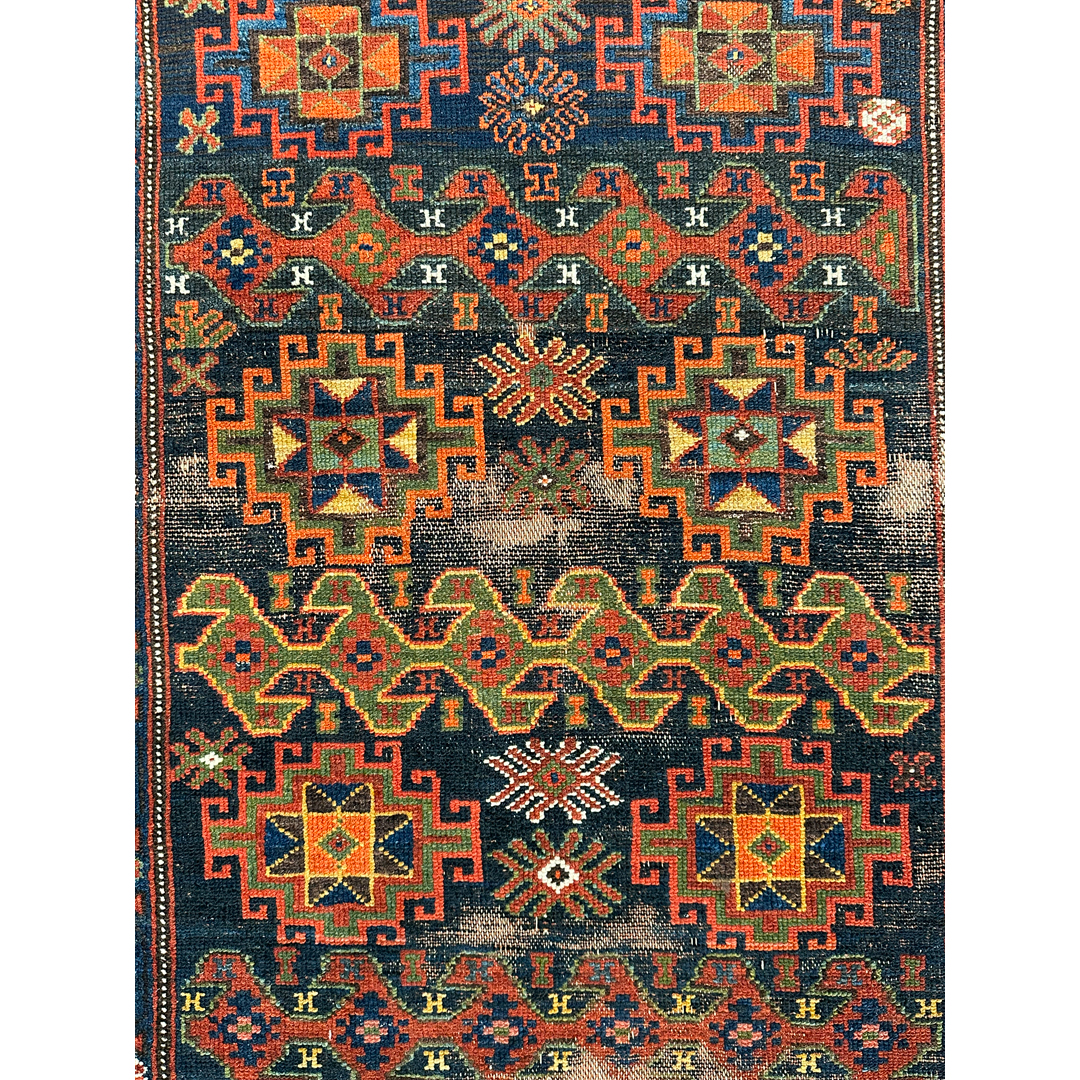


Kurdish Rugs: A Blend of Art, History, and How to Care for Them
Kurdish rugs are some of the most unique and vibrant pieces you can bring into your home. Known for their bright colors, bold geometric patterns, and the rich cultural stories woven into their designs, these rugs are not just functional, they’re pieces of art. Kurdish carpets, in particular, hold deep cultural significance as expressions of Kurdish heritage and folk art, reflecting the historical evolution and regional styles of Kurdish weaving traditions. Handwoven by Kurdish people, these rugs carry centuries of tradition and craftsmanship, making them a prized possession for collectors and home decorators alike.

Whether you’re drawn to their unique designs or you’re thinking about investing in a high-quality, handmade rug, this guide will take you through what makes Kurdish rugs so special—each one skillfully crafted by traditional weavers—how to care for them, and where you can find authentic ones in Chicago.
A Look Into the History of Kurdish Rugs
The Kurdish people have a long history of rug weaving that spans centuries. Living in regions of Iran, Iraq, Turkey, and Syria, the Kurds have developed their own distinct rug-making traditions. These areas collectively form Kurdistan, the historical and cultural homeland of the Kurdish people. Historically, rugs were an essential part of everyday life for Kurdish nomads—they were used not just for floor coverings but also for blankets, tents, and saddle coverings. This need for practical, durable items influenced the development of a weaving style that prioritized both beauty and longevity.
What makes Kurdish rugs unique is their tribal origins. Each rug was traditionally woven by a family or tribe, and each tribe developed its own patterns and styles. Influenced by neighboring cultures, especially those of Persia and the Near East, these rugs are known for their vibrant colors, often achieved through the use of natural dyes. Kurdish weavers would use reds, blues, yellows, and greens, creating pieces that are both eye-catching and deeply rooted in their cultural heritage.
The Kurdish People: Culture and Heritage Behind the Weaving
The story of antique Kurdish rugs is inseparable from the rich cultural heritage of the Kurdish people, whose ancestral lands stretch across western Iran, eastern Turkey, Iraq, and Syria. For many generations, Kurdish weavers have been producing textiles that are not only functional but also deeply expressive works of art. Their handmade rug making traditions are a vibrant reflection of their history, daily life, and enduring spirit.
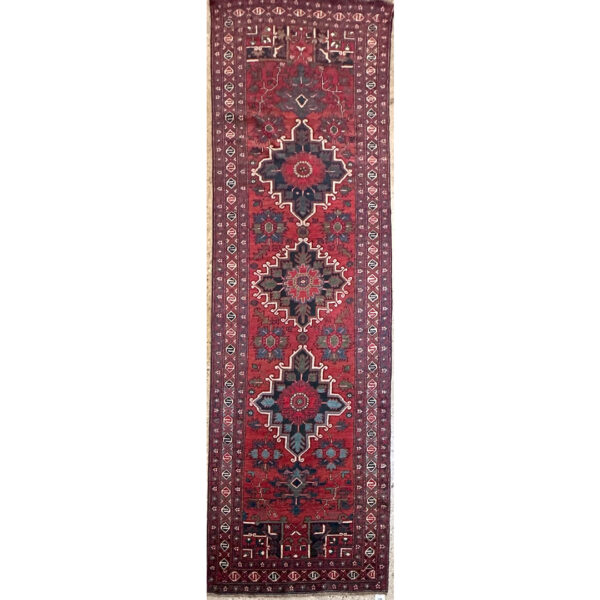
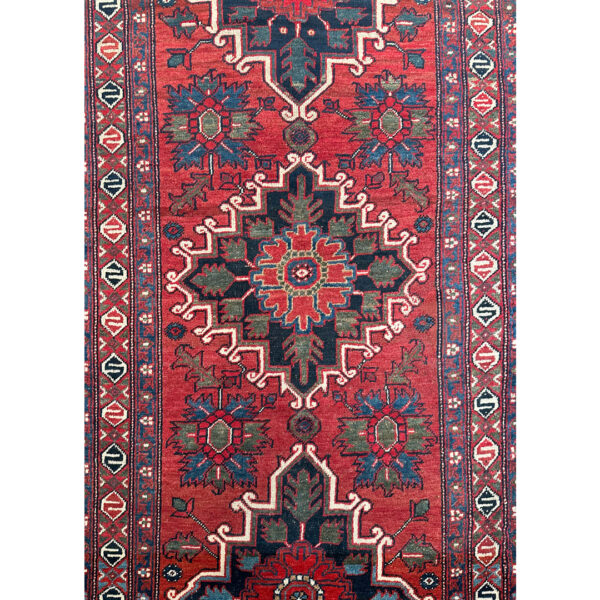
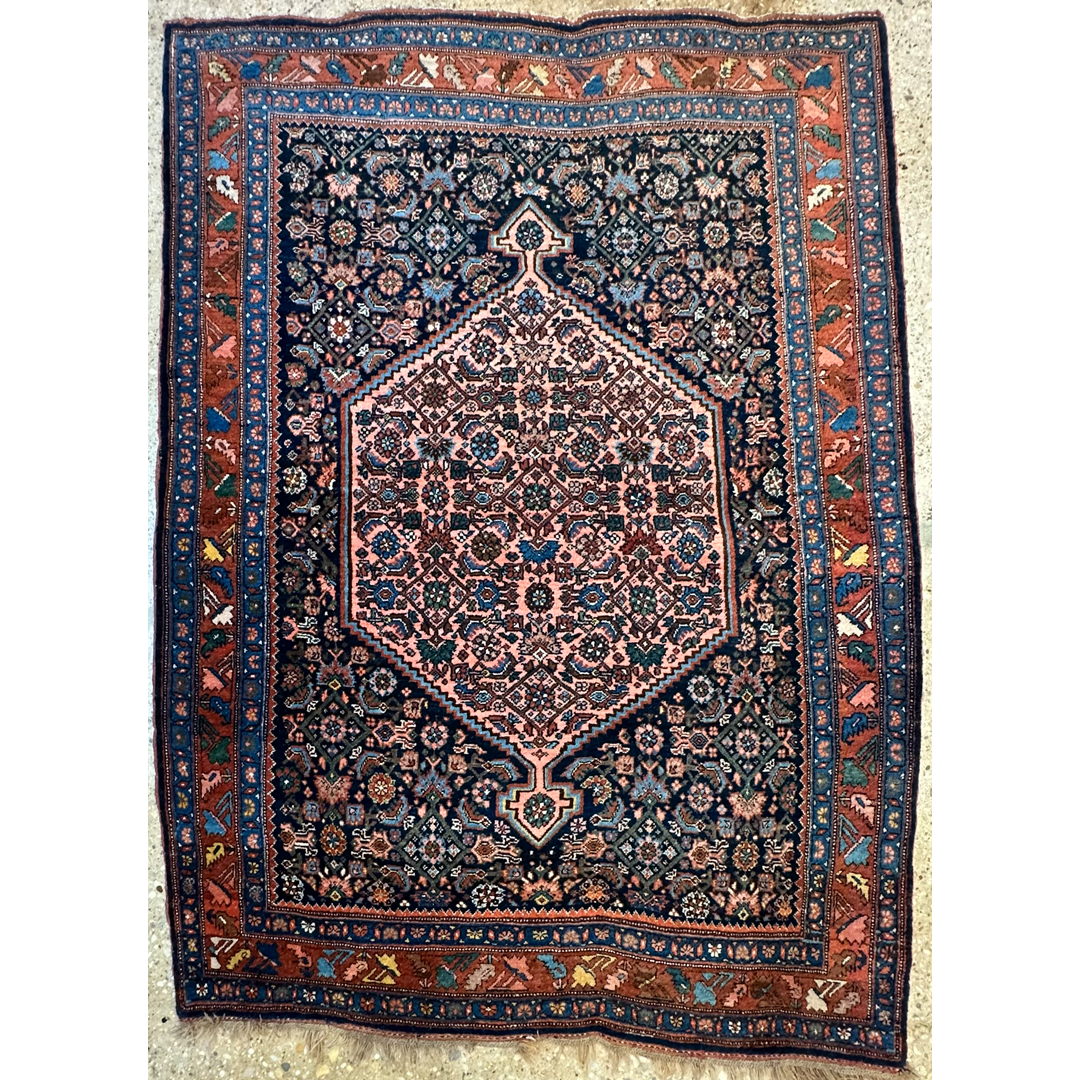
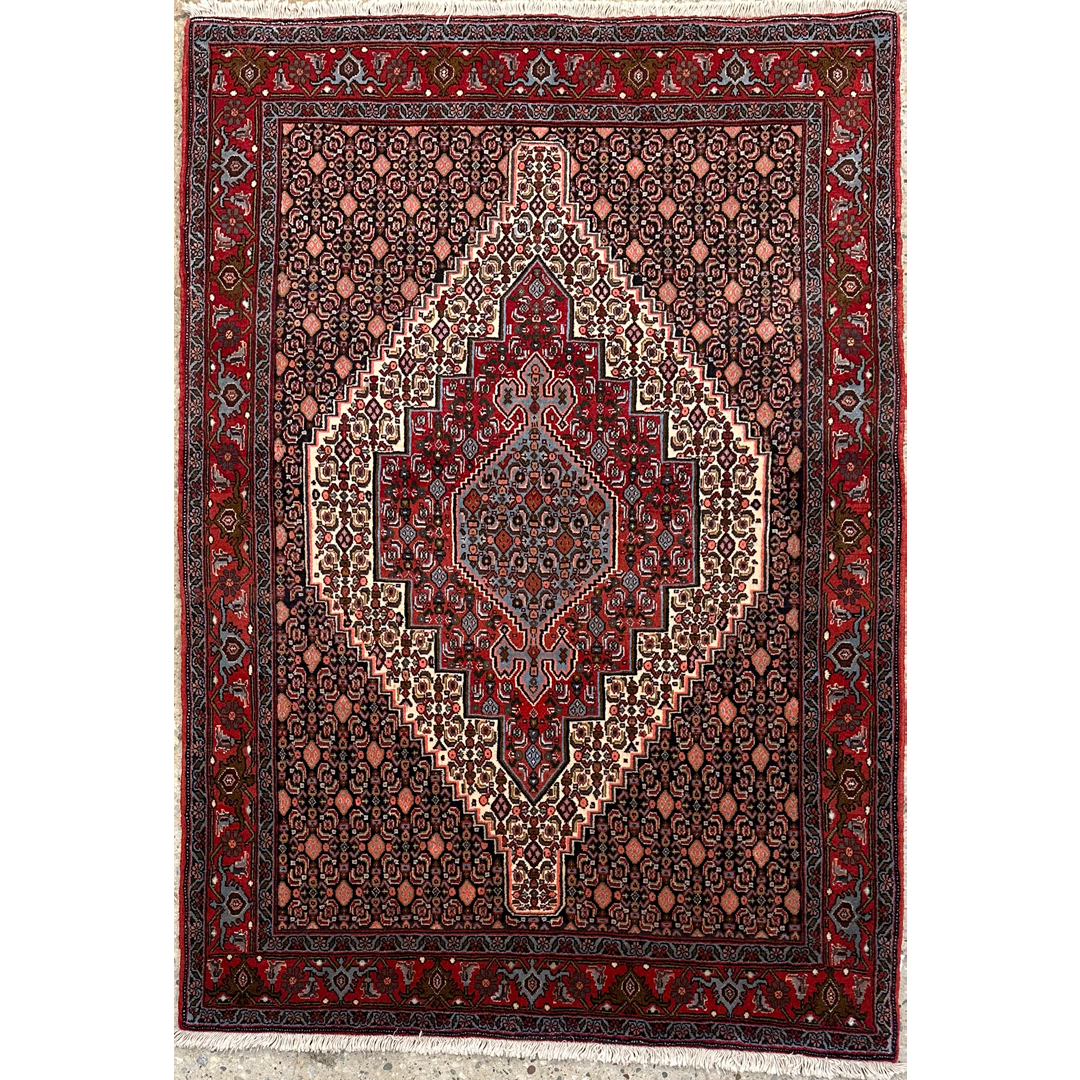
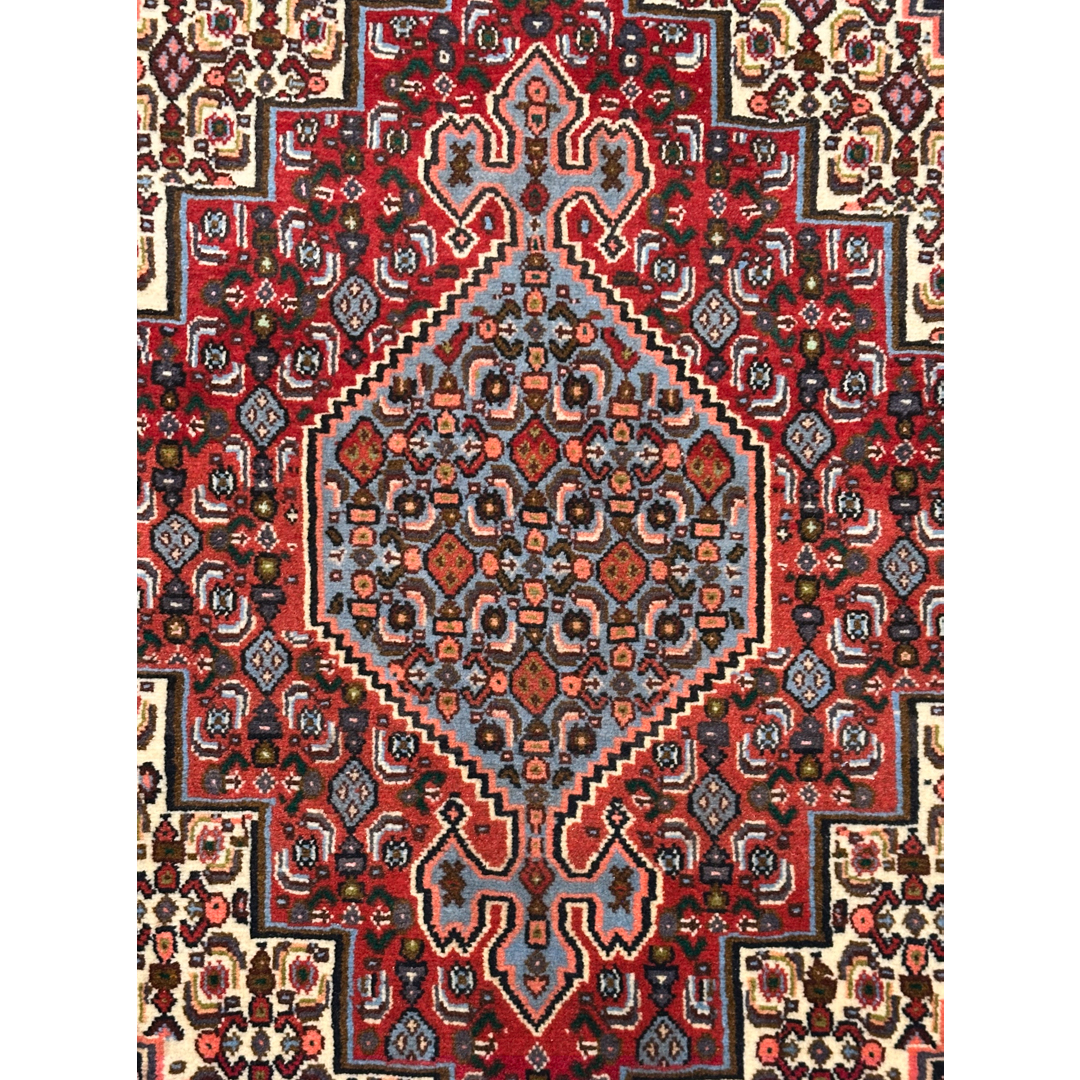
Kurdish weavers, often hailing from nomadic tribes, have developed a distinctive style that sets their rugs apart from other oriental rugs. The artistry of these rugs lies in their bold geometric patterns and the striking blend of colors—sky blue, forest green, yellow, and more—achieved through natural dyes. The northwest Kurdish people, in particular, are renowned for their densely woven rugs, which feature intricate motifs such as the mina khani, medallion and pendant, and the crenellated fence. Each pattern and color choice is a nod to the weaver’s environment, beliefs, and the stories passed down through generations.
The influence of Persian shahs, who once ruled over much of the region, can be seen in the evolution of Kurdish rug making. Their patronage encouraged the development of tighter weaves and more elaborate designs, elevating the craft to new heights. Over time, Kurdish weavers also absorbed artistic elements from neighboring cultures in the Caucasus and Azerbaijan, resulting in unique features like diagonally striped fields and a rich tapestry of motifs that blend tradition with innovation.
Creating a Kurdish rug is a labor of love and skill. The process begins with the careful selection of high-quality wool, which is then spun into yarn and dyed using time-honored methods. Weavers use primitive looms and traditional techniques, often working in family groups, to craft rugs adorned with flowers, animals, and geometric shapes. Each rug is a testament to the weaver’s craftsmanship, durability, and the enduring beauty of Kurdish culture.
For anyone interested in oriental rugs, understanding the cultural heritage behind Kurdish rugs adds a new layer of appreciation. These rugs are more than just floor coverings—they are woven records of the Kurdish people’s resilience, creativity, and connection to their land. Whether you are a novice collector or a seasoned enthusiast, exploring the world of Kurdish rugs offers a unique opportunity to bring a piece of this remarkable culture and history into your home. The blend of artistry, tradition, and durability found in Kurdish rugs ensures they remain a perfect rug choice for those who value both beauty and meaning in their living spaces.
The Unique Characteristics of Kurdish Rugs
Kurdish rugs stand out because of their bold designs. Unlike the more symmetrical, ordered patterns of some Persian or Turkish rugs, Kurdish rugs are often more free-flowing and spontaneous. This makes each rug feel alive and unique, as the weavers often worked without rigid patterns, allowing their creativity to shape each piece. Many Kurdish rugs are woven using the asymmetrical knot, a technique that contributes to their unique look and enhances their durability.
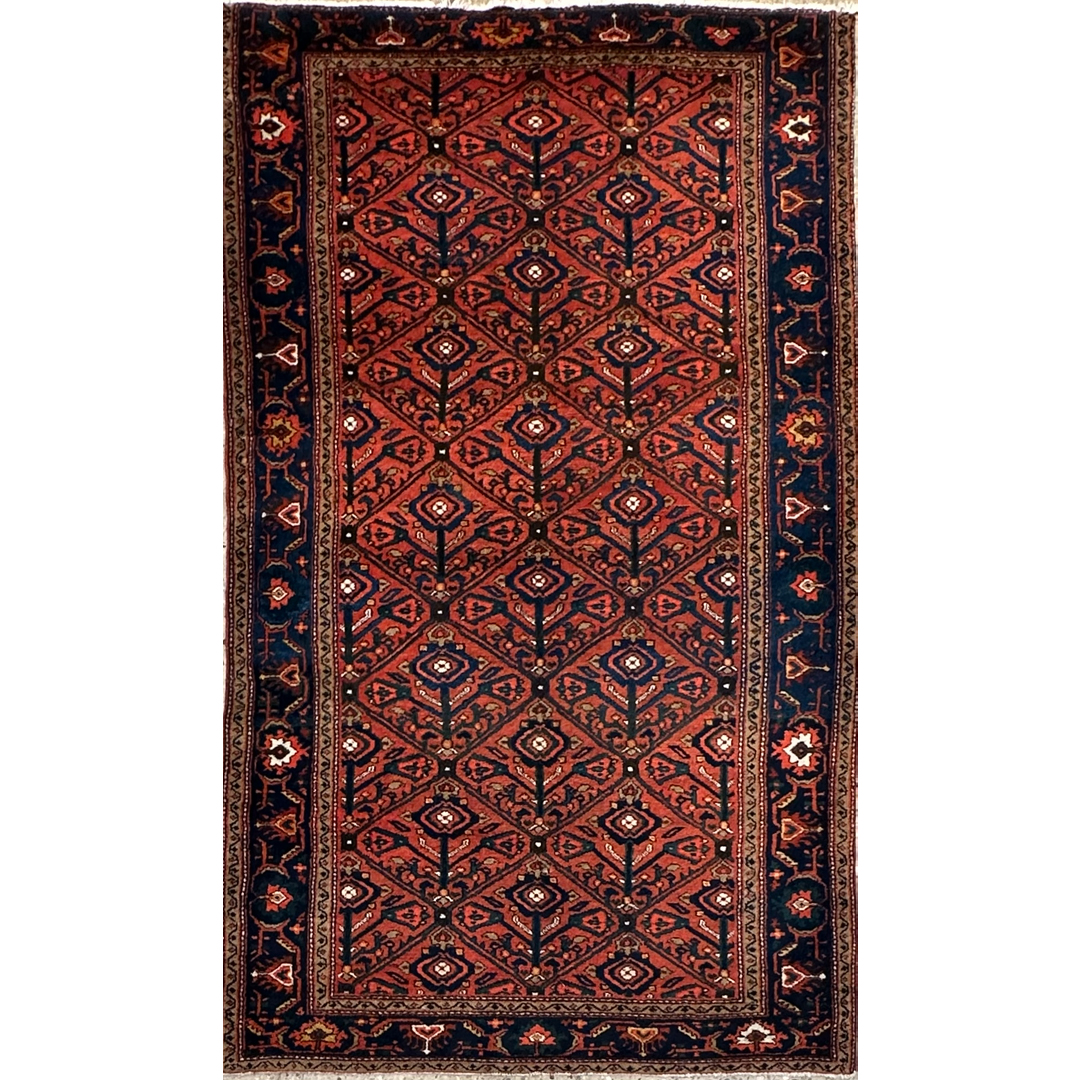
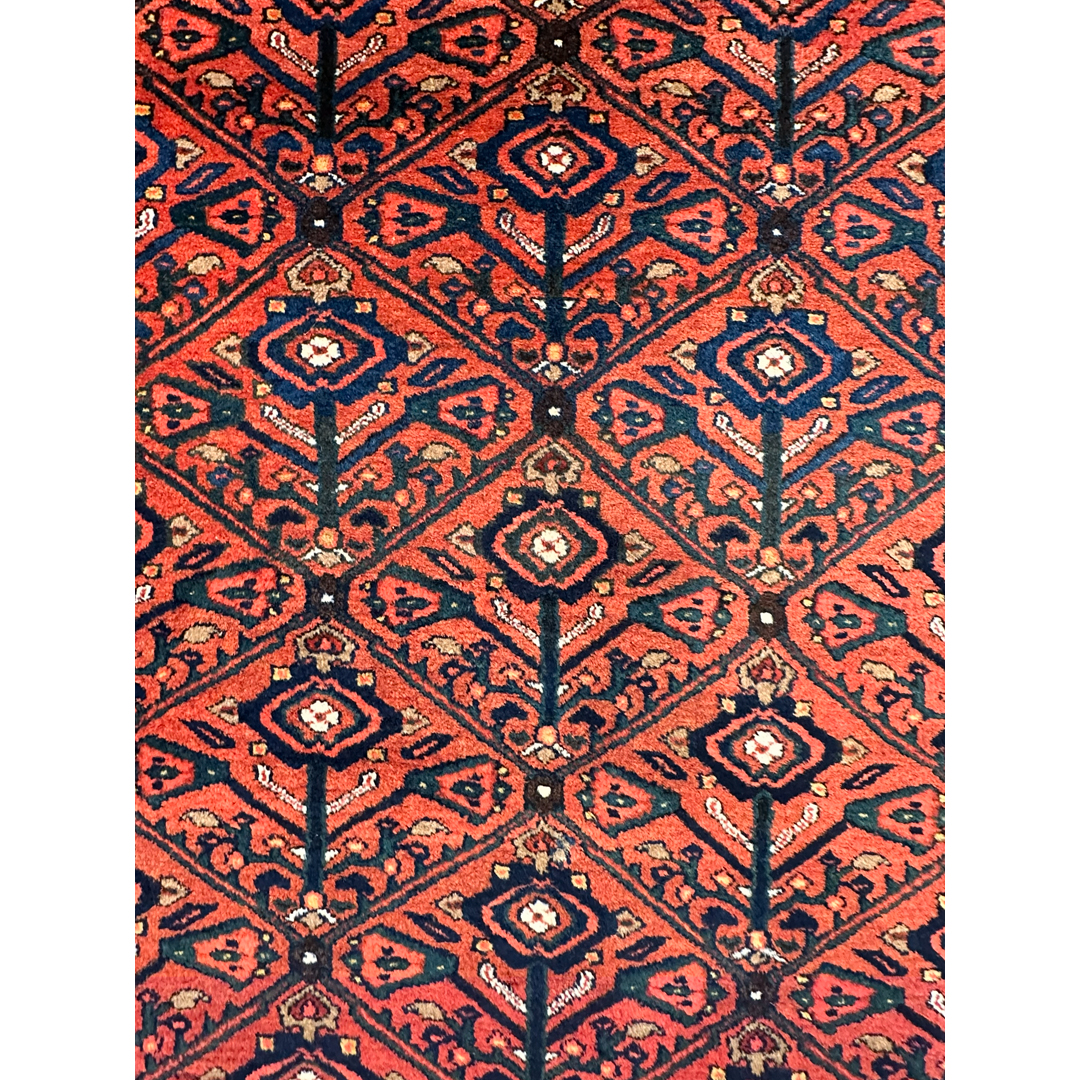
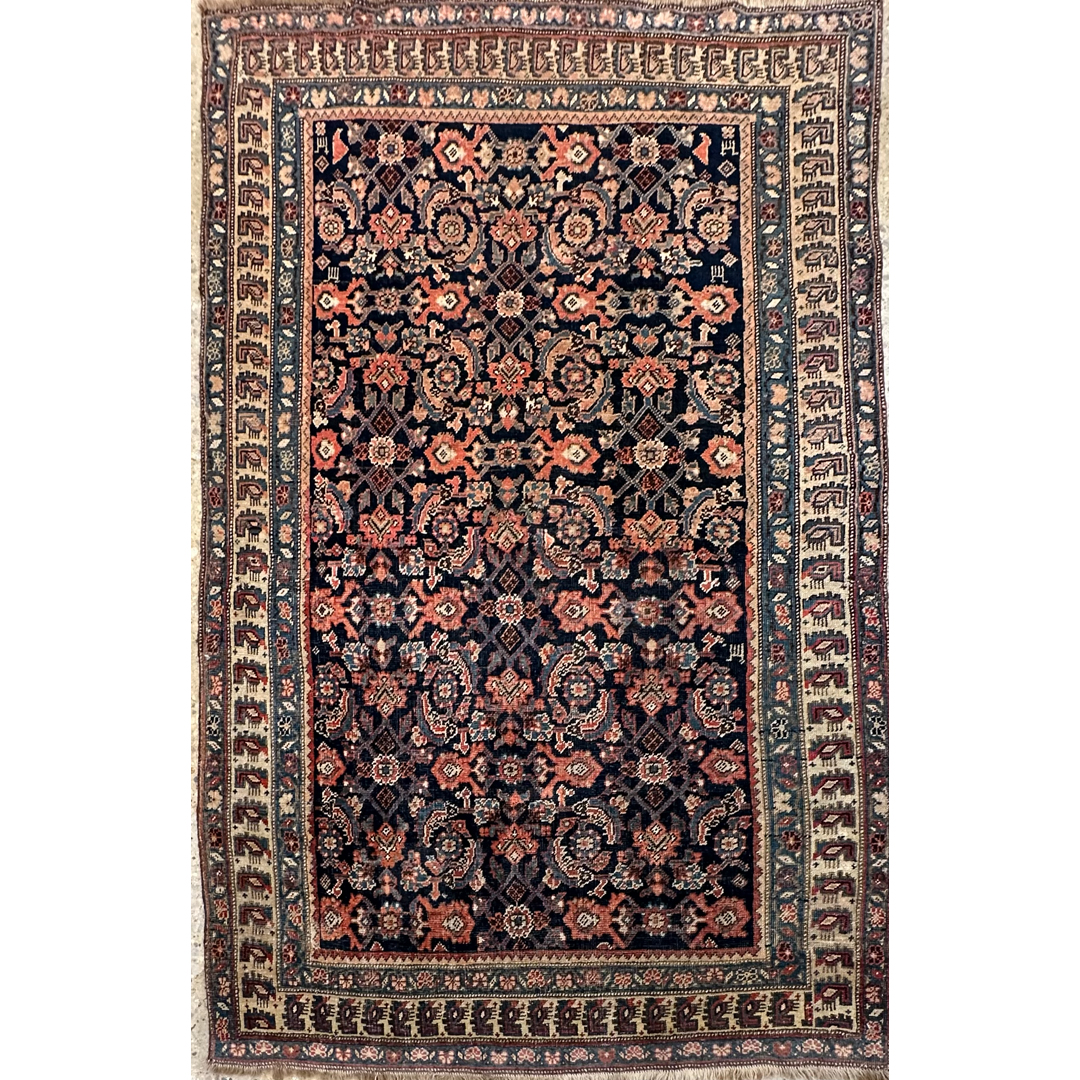
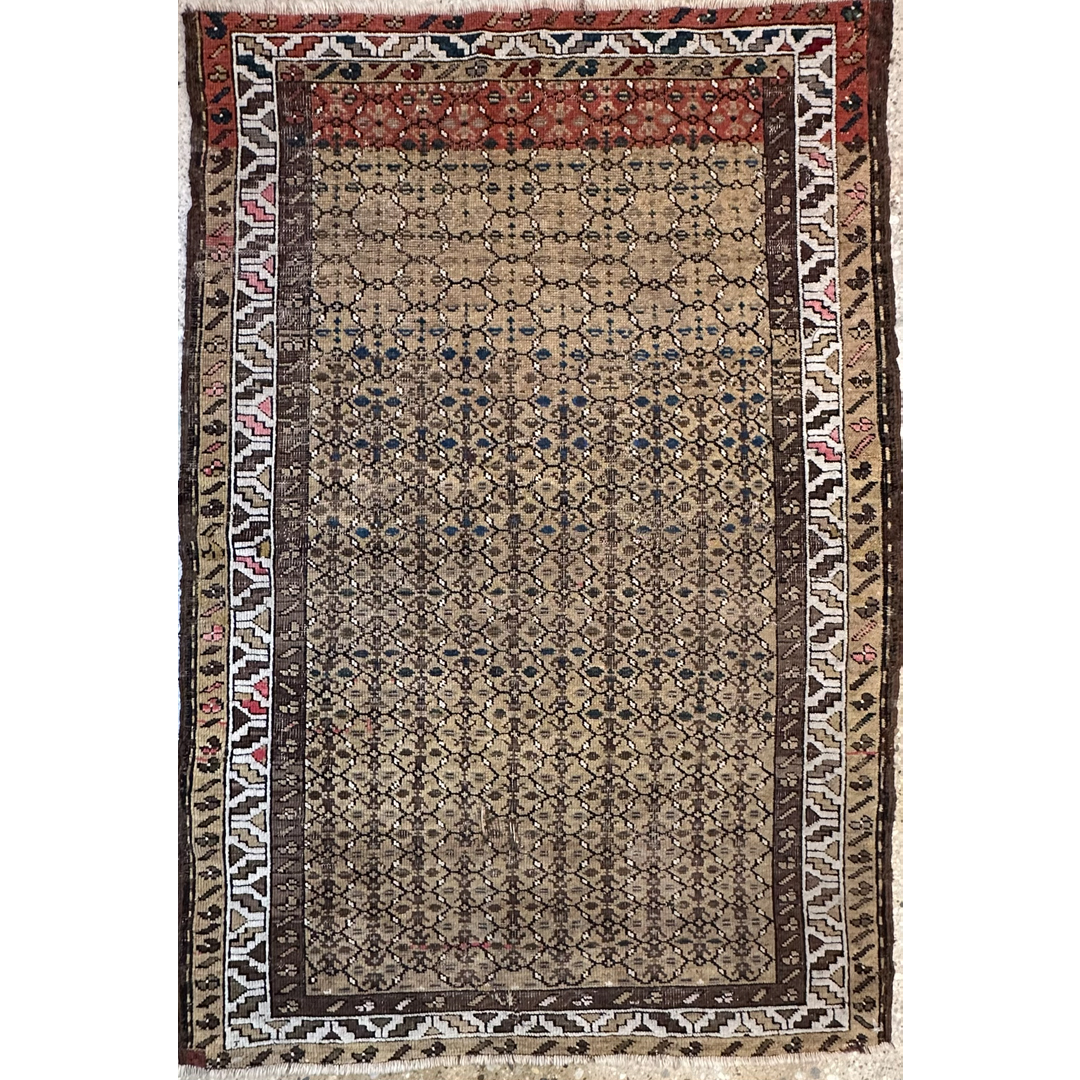
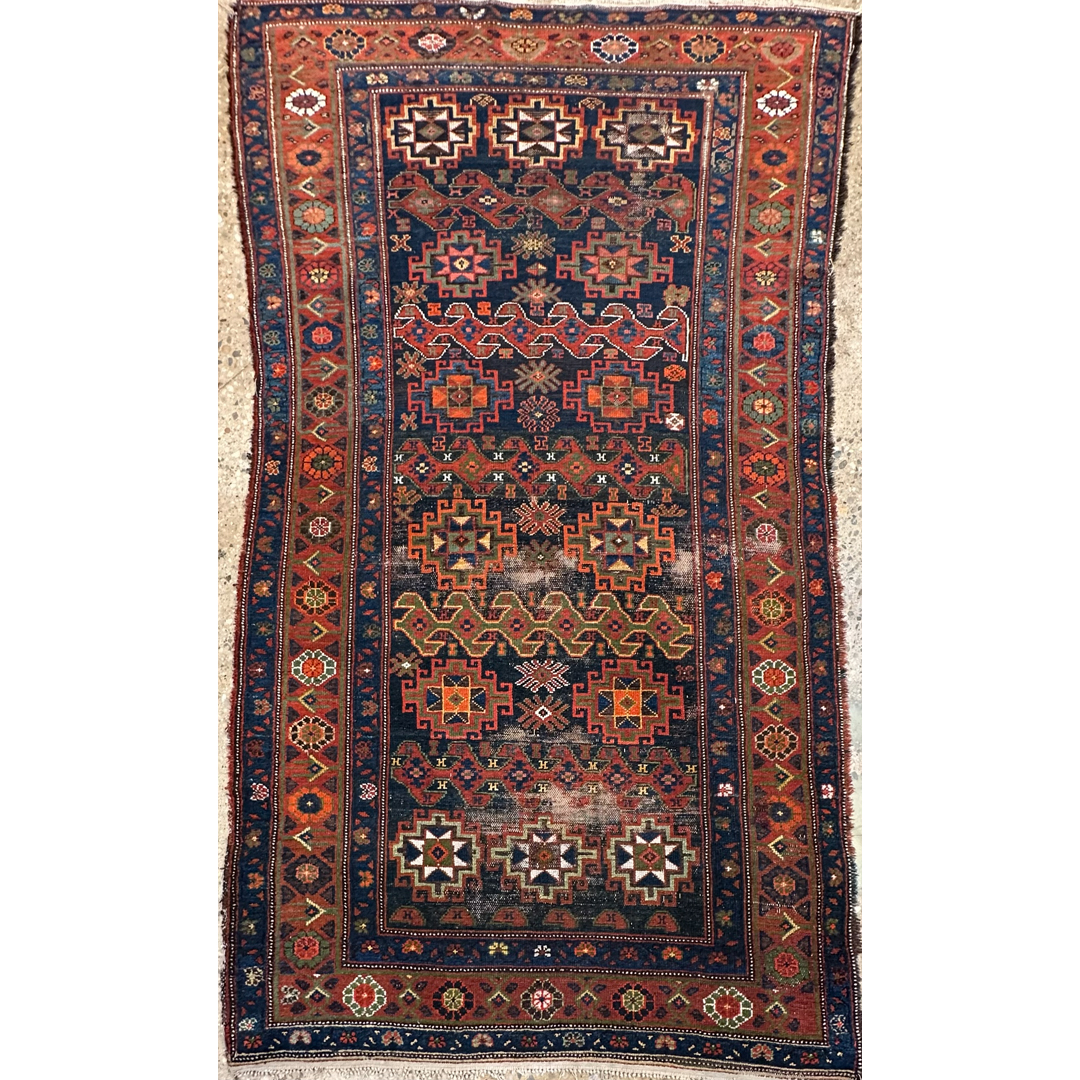
Common motifs in Kurdish rugs include diamonds, hexagons, stars, and various tribal symbols that carry cultural significance. These designs are often geometric but also show a certain fluidity that reflects the weaver’s artistic freedom. Some antique Kurdish rugs feature a diagonally striped field, a distinctive pattern that sets them apart from other regional styles. Kurdish rugs may feature repeating patterns or larger central medallions, but no two rugs are exactly the same.
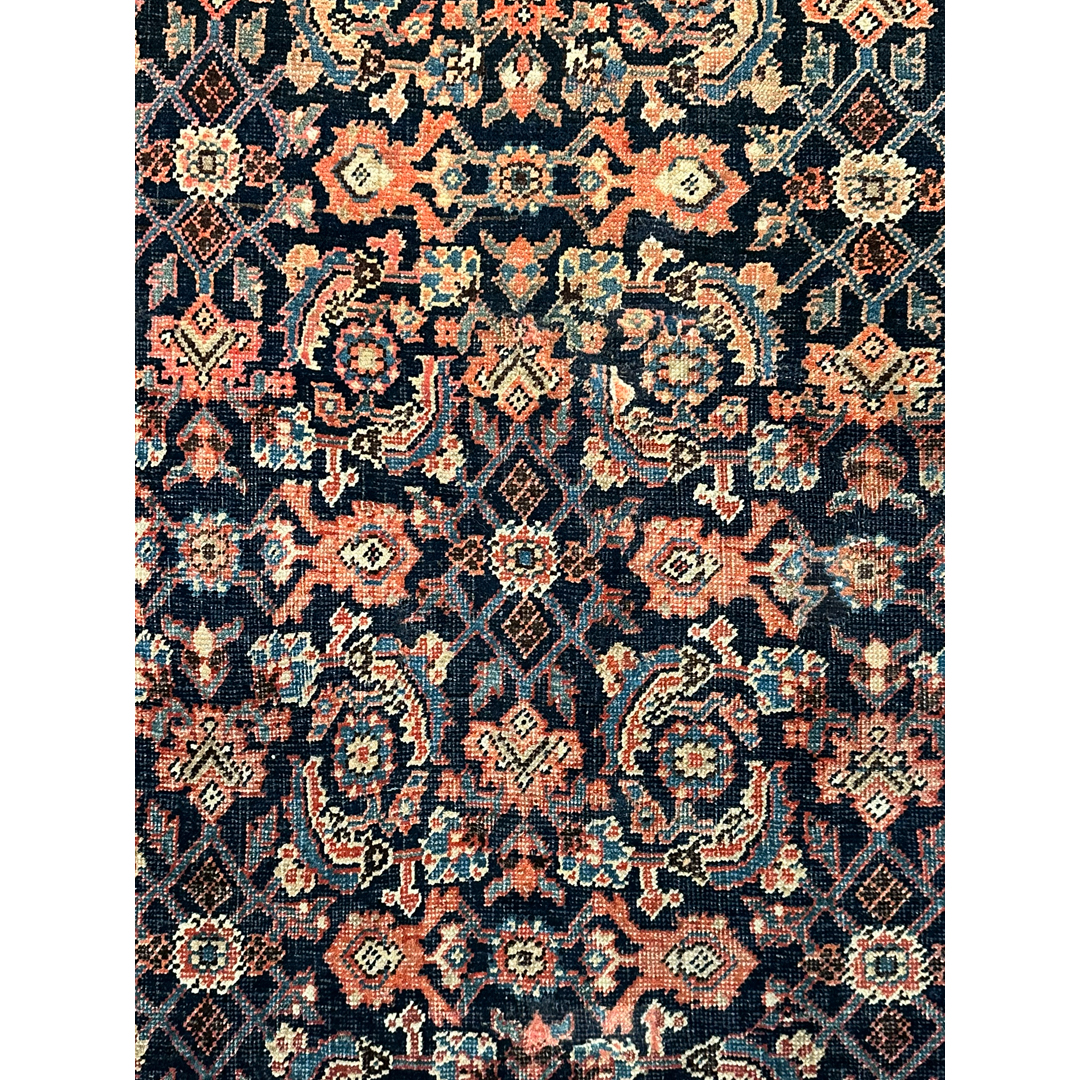
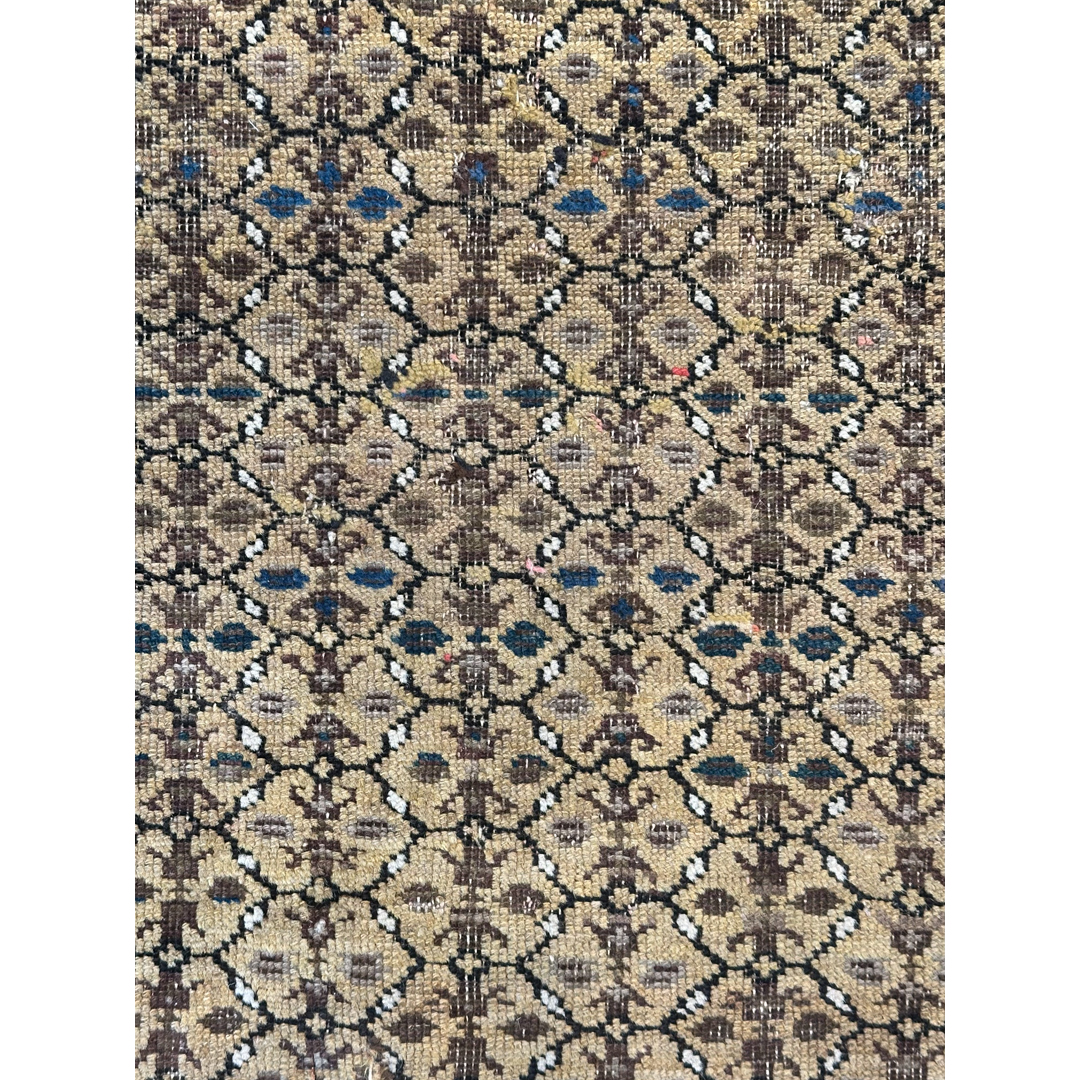
The craftsmanship and quality of Kurdish rugs are evident in their knot density—a higher knot density and tighter weave result in more detailed, durable, and refined rugs. In particular, Bidjar rugs are renowned for their strong weave and rigid foundation, earning them the nickname “Iron Rug of Persia” due to their exceptional durability and structure.
The colors in Kurdish rugs are another defining feature. These rugs are known for their bold, vibrant hues, which come from natural dyes derived from plants, minerals, and even insects. Rich orange and pink tones are especially prominent in many Kurdish rugs, showcasing the weavers’ mastery of color. The use of natural dyes gives the rugs a depth and richness that you simply can’t get with synthetic dyes. As they age, these colors soften and mellow, adding to the charm and character of the rug.
The spontaneous and vibrant designs of Kurdish rugs have inspired many a modern abstract artist, who find resonance in the rugs’ improvisational patterns and exuberant color palettes.
The Value of Kurdish Rugs
Kurdish rugs are highly valued not only for their beauty but also for their durability. Hand-knotted and made from high-quality wool, these rugs are designed to last for decades. In fact, some Kurdish rugs, especially antique ones, can become valuable collector’s items. If you’re lucky enough to come across an older piece that has been well cared for, it can be a great investment. Historically, the production of Kurdish carpets responded to both local and national demand for quality and design, balancing traditional craftsmanship with broader market needs.
But even newer Kurdish rugs are incredibly durable. They’re often densely woven, which makes them ideal for high-traffic areas in the home. This combination of aesthetic appeal and durability makes Kurdish rugs a fantastic choice for anyone looking to add a unique touch to their living space.
How to Care for Your Kurdish Rug
Kurdish rugs are known for their strength, but like any fine rug, they need proper care to stay in top condition. With the right maintenance, your rug can last for many years, even improving with age.
1. Regular Vacuuming
- Dust and dirt can build up in the fibers of your rug over time, which can dull the colors and wear down the fibers. Vacuum your rug regularly, but be gentle—avoid using a beater bar, as this can damage the rug’s fibers. Vacuum in the direction of the pile, not against it.
2. Rotate the Rug
- If your rug is in a high-traffic area, make sure to rotate it every few months to ensure even wear. This also helps to prevent areas of the rug from fading due to sunlight exposure.
3. Spot Cleaning
- Accidents happen. If you spill something on your rug, the key is to act quickly. Blot the spill with a clean, dry cloth—don’t rub, as that can spread the stain. If the stain is stubborn, use a mixture of mild soap and water, but be sure to test it on a small area first to make sure it doesn’t affect the colors.
4. Keep it Dry
- Wool rugs, especially Kurdish rugs, don’t do well in humid or damp environments. Moisture can cause mold and mildew, which can damage the rug over time. Make sure to keep your rug dry and avoid placing it in areas like bathrooms or basements.
5. Professional Cleaning
- Every few years, it’s a good idea to have your Kurdish rug professionally cleaned. A professional rug cleaner will have the tools and expertise to remove dirt and stains without damaging the fibers or dyes. Look for a cleaner who specializes in handmade or antique rugs to ensure they know how to handle your piece.
6. Use a Rug Pad
- A rug pad placed under your rug can help prevent slipping, protect the fibers from wear, and add an extra layer of cushioning. It’s a simple investment that can help extend the life of your rug.
Click the video below to learn more about Kurdish Rugs!
Where to Buy Kurdish Rugs in Chicago
If you’re in Chicago and looking to purchase a Kurdish rug, there’s a highly recommended store where you can find authentic, high-quality pieces. Many Kurdish rugs available in stores originate from major cities and larger cities known for their refined weaving traditions, ensuring a blend of intricate design and craftsmanship. Alternatively, if you’re interested in Moroccan rugs, there are also excellent options in Chicago to explore.
Known for their extensive selection of handmade rugs, Rouzati Rugs offers a wide variety of Kurdish rugs, including workshop products that showcase traditional techniques and exceptional craftsmanship. Whether you’re looking for something new or a vintage piece, Rouzati’s knowledgeable staff can help you find the perfect rug for your home.
Final Thoughts
Kurdish rugs are not just decorative pieces—they are works of art that carry the history and culture of the Kurdish people. Whether you’re drawn to their bold designs, vibrant colors, or their incredible durability, investing in a Kurdish rug is a decision that will bring warmth and beauty to your home for years to come.
With the right care and attention, your Kurdish rug will continue to be a treasured piece, adding character and culture to your space. And if you’re in Chicago, you have access to several reputable dealers where you can find an authentic Kurdish rug to bring home. Whether it’s an antique masterpiece or a modern creation, a Kurdish rug is sure to become a beloved part of your home.