

A single rug can instantly change the feel of a room more dramatically than a fresh coat of paint or a new piece of furniture. The challenge is knowing which style, size, and material will actually work in your space. This rug guide walks you through the 10 most impactful rug styles used by professional designers, with practical advice on placement, layering, and choosing the right material for every room in your home.

🔑
Key Takeaways
Affordable Architectural Shift
Rugs redefine a room’s scale, flow, and focal points more affordably than a full renovation.
Visual Foundation
A rug serves as the core visual foundation, anchoring furniture while introducing essential color and texture.
Style vs. Practicality
Your choice should balance personal aesthetic preferences with the specific practical demands of each room.
| Rug Style | Best Rooms |
|---|---|
| Hand-Knotted Traditional | Living room, dining room, formal spaces |
| Vintage Distressed | Family rooms, hallways, modern lofts |
| Low-Pile Geometric | Open-plan living rooms, home offices, condos |
| Moroccan / Beni Ourain | Bedrooms, cozy living rooms |
| Kilim & Flatweave | Dining rooms, offices, casual spaces |
| Natural Jute & Sisal | Sunrooms, layering bases |
| Luxury Shag & High-Pile | Bedrooms, media rooms |
| Contemporary Abstract | Minimalist living rooms, lofts |
| Indoor–Outdoor | Patios, porches, mudrooms |
| Custom & Stair Runners | Entryways, stairways, odd-shaped rooms |
At Rouzati Rugs, we specialize in hand-knotted, vintage, antique, modern, and custom rugs, and we work directly with interior designers across Chicago’s North Shore. Our in-home trials let you see how a rug lives with your furniture before you commit.
Two fast sizing rules to remember: your living room rug should be large enough that at least the front legs of all seating sit on it, and a dining room rug should extend 24 to 30 inches beyond the table on all sides so chairs remain on the rug when pulled out. Always pair your rug with a quality rug pad to protect your floors and prevent slipping.
If you’re in Wilmette, Evanston, or a nearby suburb, you can book a visit or bring photos and measurements into Rouzati Rugs for personalized style recommendations.
Interior Design Insight
Why the Right Rug Style Changes Your Room’s Architecture
The right rug does more than fill empty floor space. It shapes proportion, defines function, and helps the entire room feel more intentional.
Picture a 1920s Evanston bungalow with original hardwood floors, narrow hallways, and a living room anchored by a rug that is simply too small for the space. It sits under the coffee table, but leaves the sofa and chairs floating around it. The room feels fragmented.
Now imagine the same room with a properly sized hand-knotted wool rug extending beneath the sofa, lounge chairs, and beyond. Suddenly, the space feels wider, warmer, and more intentional. The wood tones look richer. The ceiling seems higher. Instead of separate pieces of furniture scattered across the floor, the room reads as one cohesive environment.
Design Takeaway
A rug is not just a finishing touch. It acts like visual architecture, giving the room structure, rhythm, and unity.
That transformation is why rugs do more than decorate a room. They shape how a space feels, functions, and flows.
How Rugs Change the Way a Room Works
How Designers Choose the Right Rug
- Anchor major furniture:
The rug should sit beneath the sofa, chairs, and coffee table so the seating area feels unified rather than disconnected. - Balance exposed floor:
Leave about 12 to 18 inches of bare floor between the rug and the walls to create breathing room. - Coordinate with existing materials:
The rug should connect with wood tones, fireplace finishes, wall color, textiles, and millwork instead of competing with them.
Practical Performance Matters Too
Beauty is only part of the decision. In Chicago homes, daily traffic, pets, kids, snow, salt, and mud all affect which rug constructions truly work long-term.
Best Uses by Rug Type
Hand-Knotted Wool
Durable, easy to maintain, and ideal for busy living rooms where long-term performance matters.
High-Pile Rugs
Soft and luxurious underfoot, but more likely to trap dirt and flatten in high-traffic pathways.
Flatweaves
A smart choice for foyers, dining rooms, and spaces where chairs need to slide easily.
At Rouzati Rugs, we often begin the entire room plan from the rug itself. Furniture, lighting, art, and wall finishes are layered around the rug’s size, color, and pattern so that every decision feels connected from the floor up.
Start with the Rug, Build the Room Around It
When the rug is right, the whole room feels more grounded, balanced, and complete. The best interiors are rarely accidental—they begin with the right foundation.
The Top 10 Rug Styles for Living Rooms, Dining Rooms, and Beyond
What follows is an expert short list of 10 rug styles that an interior designer will reach for again and again in Chicago homes. Each one shines in specific rooms – living rooms, dining rooms, bedrooms, hallways, outdoor spaces – and solves different design problems.
The examples below reference the kinds of pieces you’ll find in Rouzati Rugs’ inventory: antique Persian rugs, vintage Turkish pieces, Moroccan-inspired high-pile designs, modern geometrics, and custom area rugs sized specifically for North Shore homes. Each style section includes a practical “best for” note so you can match different styles to your own rooms.
The Classic Appeal of Hand-Knotted Traditional Rugs
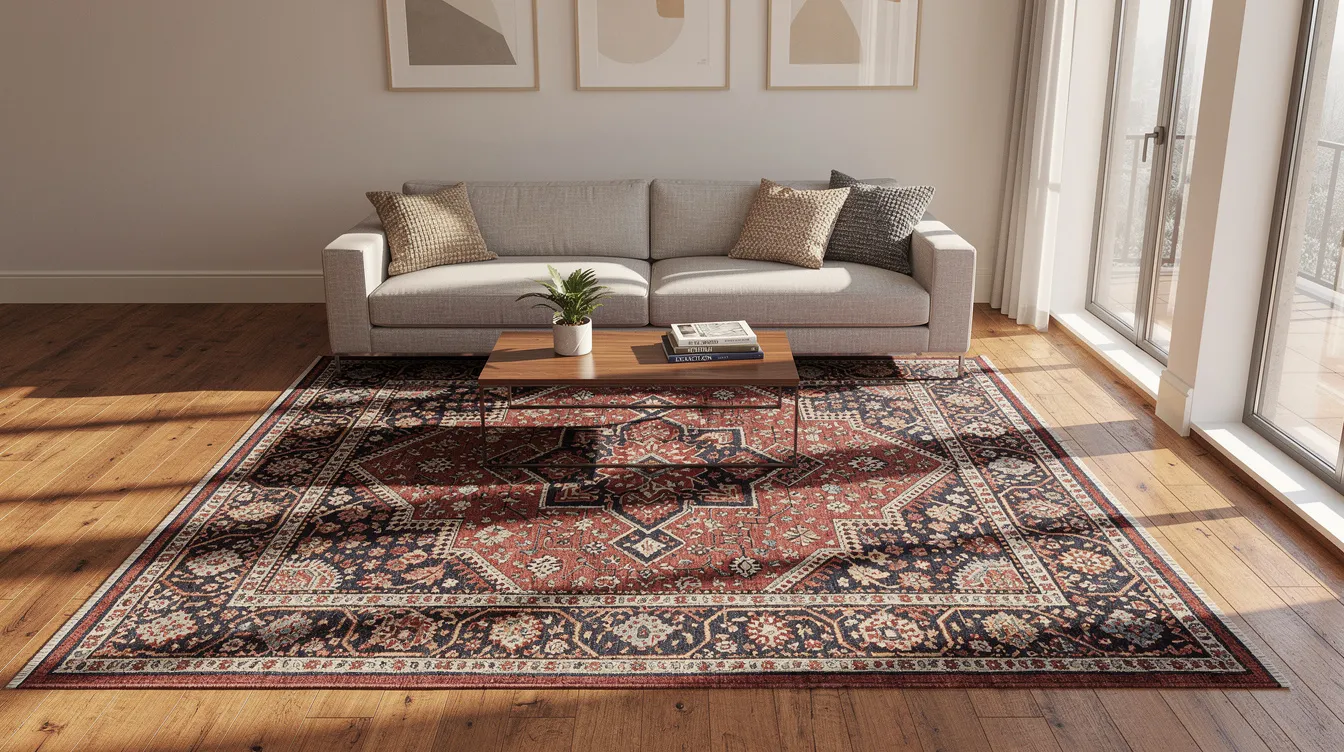
Hand-knotted traditional rugs are tied knot by knot on a loom, typically using wool (and sometimes silk), with designs passed down through generations. Think Persian Heriz with bold angular medallions, Tabriz with intricate curvilinear florals, Kashan with dense allover fields, or Turkish Oushak with softer, larger-scale motifs. Persian and Oriental rugs feature intricate patterns and rich colors, making them suitable for a wide range of aesthetics – from a classic Chicago bungalow to a modern apartment.
These rugs behave like heirloom architecture in a room. Dense wool pile, vegetable-dye richness, and central medallions naturally center a coffee table and define a classic living room rug layout. Traditional patterns feel timeless and classic, and patterns should complement bold furniture choices to create harmony rather than competition.
Placement guidance:
- In a living room, size the rug so at least the front legs of your sofa and lounge chairs sit on it. A 9′ × 12′ or 10′ × 14′ rug handles most seating groups.
- In a dining room, extend 24–30 inches beyond the edges of a 6- or 8-seat table so chairs never pull off the rug.
Styling advantages: Traditional rugs can temper modern furniture, adding warmth to white walls and pairing beautifully with original millwork in 1910–1930s Chicago homes. They bring an inviting atmosphere to pre-war apartments and foursquare living rooms alike.
Maintenance: A wool rug is naturally stain resistant and ideal for high-traffic living rooms when paired with a quality rug pad and periodic professional cleaning. Hand-knotted pieces can last 50–100+ years with proper care, which Rouzati Rugs offers through our cleaning and restoration services.
Best for: Formal and family living rooms, dining rooms, rooms with classic architectural details.
Achieving Minimalism: Why Low-Pile Geometric Rugs Are the Secret Weapon
If you think “minimalist” means boring, let’s rethink that. A low-pile geometric rug is the ultimate bridge between functional design and visual interest. It’s not about adding clutter; it’s about adding structure.
The Aesthetic Edge
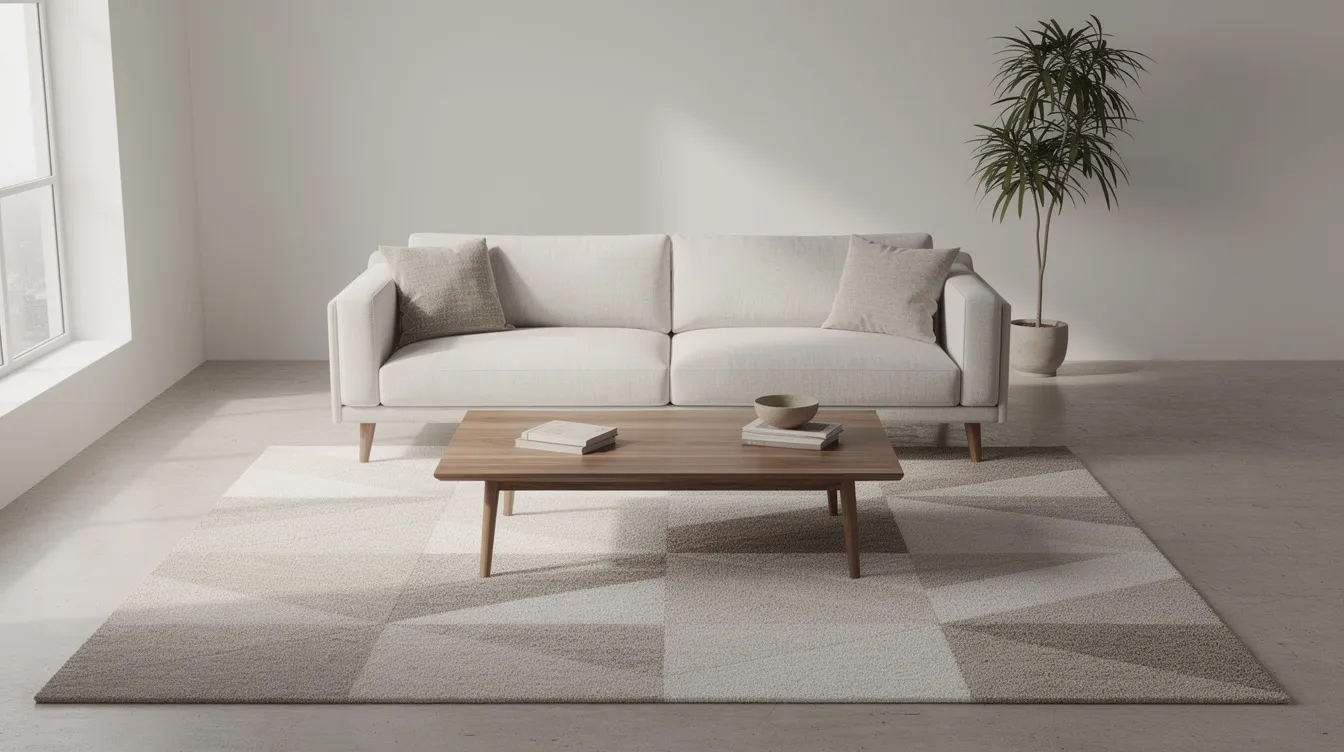
These rugs typically feature hand-loomed wool or high-quality blends with clean, intentional motifs—think crisp grids, subtle stripes, or muted color-blocking. With a pile height under ¼ inch, they keep “visual noise” to a minimum, ensuring your furniture remains the star of the show.
Design Rule of Thumb:
In a minimalist space, your rug shouldn’t compete with your art. If your upholstery is already bold, opt for a tone-on-tone geometric. It creates depth that you feel rather than see immediately, which is the hallmark of sophisticated interior design.
Pro Layout Strategy
Stop aligning your rug with the walls. Instead, align the pattern lines with your main sofa or media unit. This creates a “zoning” effect that is crucial in open-plan living.
- The Pro Move: Use a large-scale geometric pattern to define your seating area without needing a physical wall to separate it from the dining room.
Why It Works for Chicago Living
Beyond the aesthetics, there’s a practical reason our North Shore and downtown Chicago clients love this style: It’s bulletproof.
- For the Office: Rolling chairs glide effortlessly. No snagging.
- For the Dining Room: Chairs slide without catching or causing tripping hazards.
- For High Traffic: Because there’s no deep pile to crush, these rugs don’t show footprints. Plus, if you track in city grit or moisture, they dry significantly faster than plush alternatives.
Designer’s “Cheat Sheet”
- The Palette: A black-and-ivory grid rug is the “Little Black Dress” of home decor—it pairs perfectly with warm walnut wood and soft, textured textiles.
- The Vibe: Best suited for modern condos, high-activity home offices, and open-plan layouts that need a touch of definition without the chaos of a traditional Persian pattern.
Why Vintage Distressed Rugs Add Character to Modern Spaces
Vintage distressed rugs are older Persian or Turkish pieces – many dating from the 1940s through the 1970s – with naturally worn pile and softened, sometimes over-dyed palettes. Faded indigo, blush, stone, and rust replace the original saturated hues, creating an interesting pattern of age and character. Vintage rugs can offer a characterful and timeless look in various spaces, and rugs can instantly change the feel of a room when you introduce that kind of lived-in depth.
Distressing breaks up the perfection of new-construction homes. In a sleek kitchen, a glass-heavy living room, or a minimalist bedroom, the patina of a vintage distressed rug adds warmth and humanity without feeling fussy. The imperfection is the point – it bridges old and new.
Placement ideas:
- A low-pile distressed runner in a high-traffic hallway or along a kitchen galley, where daily wear is inevitable.
- A large, faded allover-pattern piece under a sectional in a family room where spills happen and kids play.
Practicality: Vintage rugs are often made of wool and are remarkably durable. They hide wear better than pristine new pieces because traffic marks blend into the existing patina. Rouzati Rugs repairs, cleans, and stabilizes vintage pieces through our cleaning and restoration services so they’re ready for another 30+ years of daily life. They’re also an eco-conscious choice – extending the life of an existing rug rather than manufacturing a new one.
Pairing tips: In a modern Chicago loft, layer a soft vintage rug over a neutral sisal or jute base to expand the visual footprint. Or contrast an aged rug with crisp contemporary art and metal lighting. Matching rug colors to room accents creates a more cohesive, layered look.
Best for: Family rooms, hallways, kitchens, modern lofts, any space where character matters more than perfection.
Other Essential Rug Styles Every Home Should Consider
Here’s a concise tour through seven more categories that round out the list to 10 distinct styles. Each has a clear use-case and room placement recommendation.
4. Moroccan & Beni Ourain Rugs
Originating with Berber tribes in Morocco’s Atlas Mountains, these high-pile wool rugs feature creamy ivory grounds with bold charcoal or brown geometric lines. They are incredibly soft underfoot, making them ideal for bedrooms and cozy living rooms where plush texture underfoot is a priority. Shag and plush rugs add a cozy atmosphere to living spaces, but the long pile means you’ll want to avoid placing them under dining tables where crumbs accumulate. For more on luxurious soft rug materials, Rouzati Rugs has a dedicated guide.
5. Kilim & Flatweave Rugs
These reversible, zero-pile weaves from Turkey and surrounding regions are lightweight and easy to move. A flatweave rug is perfect for dining rooms where easy chair movement matters, home offices, and casual living rooms. Rouzati Rugs can add custom rug pads or underlay for extra cushioning when the thin profile feels too spare on hardwood. Natural fibers like wool and cotton are eco-friendly options commonly found in quality kilim construction.
6. Natural Jute & Sisal Rugs
With their organic texture and warm neutral palette, jute and sisal rugs add texture in casual spaces like sunrooms, coastal-inspired living rooms, and as foundation layers for smaller rugs. They’re best used as bases for layering patterned vintage rugs on top. Avoid moisture-prone basements unless properly ventilated – Chicago’s damp seasons can damage natural materials over time.
7. Luxury Shag & High-Pile Rugs
Revived from their 1960s-glam origins, deep-pile shag rugs deliver softness underfoot that few other styles can match. They’re best suited to bedrooms, media rooms, and low-traffic lounge areas. Rouzati Rugs recommends professional cleaning and regular rotation to avoid path wear and pile crushing under furniture legs.
8. Contemporary Abstract Rugs
Painterly, gallery-like designs with brushstroke patterns and asymmetry – these rugs make artistic statements on your floor. They can act as the main artwork in a minimalist living room or loft when walls are kept simple. Bohemian rugs typically feature bold colors and tribal prints, enhancing eclectic spaces, while abstract designs lean more toward a curated gallery aesthetic. Current rug trends show increasing popularity of irregular shapes and color-wash effects.
9. Indoor–Outdoor Rugs for Patios & Porches
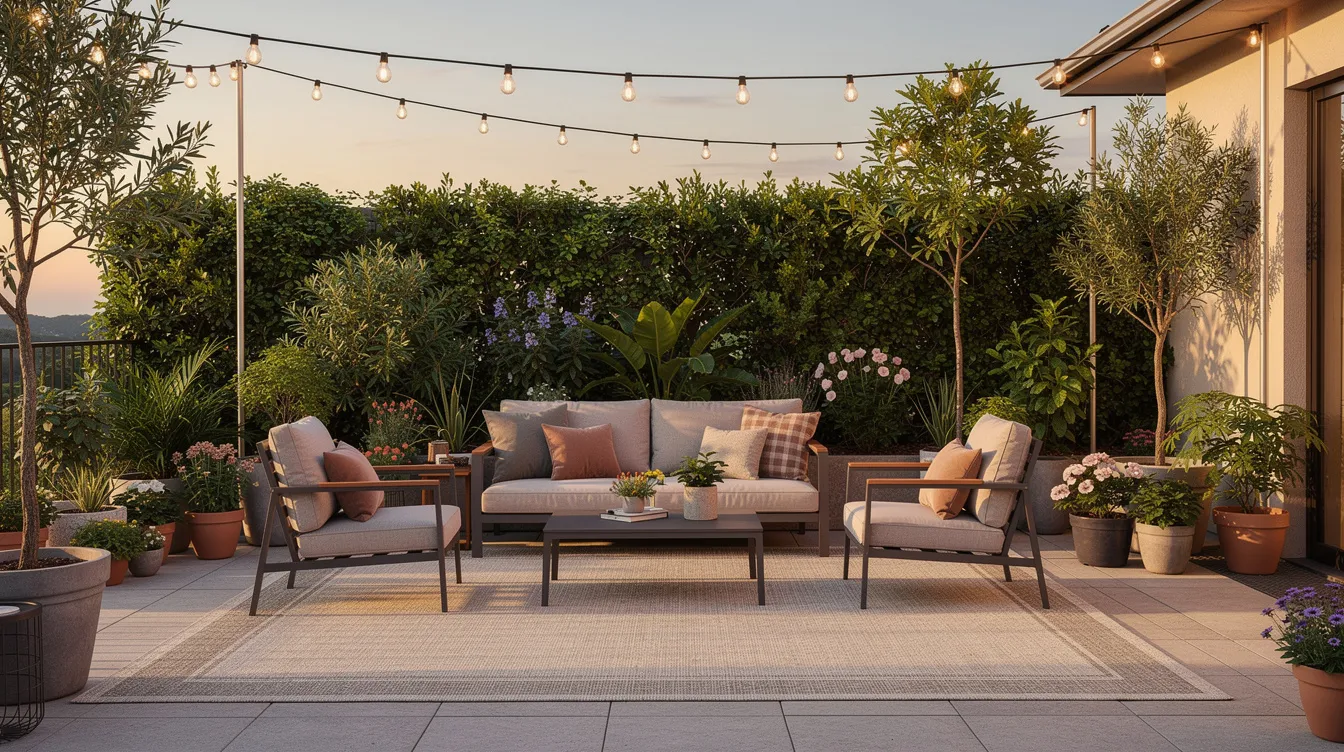
An outdoor rug made from solution-dyed polypropylene or similar synthetic fibers can mimic the look of a flatweave or sisal while withstanding moisture, UV exposure, and mildew. Synthetic rugs are affordable and stain resistant, making them ideal for Chicago decks, roof terraces, and screened porches. They visually extend your living room outdoors during warm months. According to Nourison’s material research, solution-dyed polypropylene is the gold standard because color is added during fiber extrusion, delivering superior fade resistance.
10. Custom Rugs & Stair Runners
Rouzati Rugs designs and fabricates custom-sized area rugs and stair runners to fit unique Chicago floor plans – especially older homes with non-standard stair widths. Benefits include safety (non-slip treads), noise reduction, and design continuity from foyer to second floor. Organic-shaped rugs introduce softness and fluidity to layouts, and custom sizing means you can handle a large space or an awkward hallway without compromise.
How to Layer Rugs for Professional Interior Design
Layering rugs is one of the most effective ways to add texture and visual interest to a space. Designers use it to handle tricky room sizes, soften large expanses of hardwood, and combine textures without committing to one dominant pattern everywhere. Area rugs can transform the feel of a room by introducing texture, and layering multiplies that effect. Layering rugs can also make a large space feel more intimate by creating defined zones within a larger footprint.
The “Base First” Rule
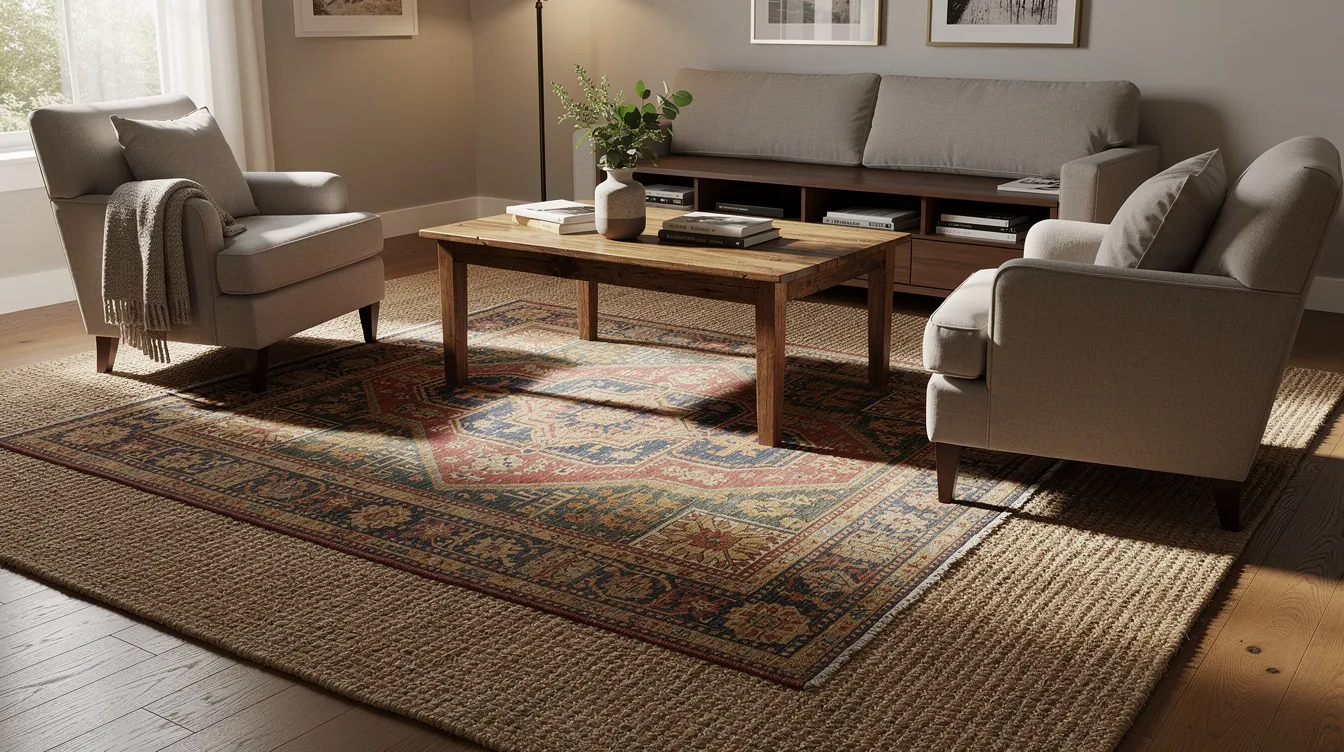
Start with an oversized neutral foundation rug – jute, sisal, or a wool flatweave rug – sized to accommodate the full furniture grouping in your living room. Then float a smaller, more colorful or patterned area rug on top, centered under the coffee table and primary seating. Use a larger neutral rug underneath a smaller patterned rug to create depth without chaos.
Two Living Room Examples
Large Wilmette family room: A 10′ × 14′ jute rug runs across the seating zone with a 12–18-inch border of bare floor on all sides. An 8′ × 10′ vintage distressed rug layers on top under the sofa and chairs, adding rich colors and interesting pattern to the neutral base.
Compact condo living room: A 9′ × 12′ flatweave rug supports the full seating group. A 5′ × 8′ Moroccan rug sits on top, defining the TV-viewing zone and adding warmth where bare feet land most often.
Layering in Other Rooms
- Bedrooms: Place a large neutral rug beneath the bed (rugs should extend at least 12 inches beyond the bed), then angle a smaller patterned rug at the foot or to one side for added visual interest.
- Dining rooms: Generally avoid multi-layering directly where chairs slide to prevent tripping and bunching. A single, properly sized rug makes more sense here.
Technical Details
- Use a non-slip rug pad sized slightly smaller than the base rug.
- Consider small Velcro tabs between layers where traffic is high to keep things in place.
- Experiment with different materials and pile heights when layering – different pile heights create dimension, but make sure doors still clear and chairs move smoothly.
- A cowhide rug can be layered over a flat-weave rug for striking contrast and texture.
Aesthetic Guidance
- Mix scale: Small pattern on top, large-scale weave beneath.
- Vary shapes: Rectangular base with a round accent rug near a reading chair creates unexpected visual balance.
- Keep cohesion: Pull from one palette across both rugs, connecting to existing furnishings. Rugs anchor a room by tying together color schemes and furniture, and layering two rugs amplifies that anchoring effect.
Rouzati Rugs can help clients in-store or during in-home trials experiment with layering combinations before committing, so you can see exactly how two rugs interact with your floor, your sofa, and your light.
Need Help Selecting the Right Style for Your Chicago Home?
Rug shopping can feel overwhelming. Between figuring out the right rug size for your living room, weighing rug materials for durability, and narrowing down styles that match your personal style, it’s easy to get stuck – especially when the rug needs to work for both a busy family room and a more formal dining room. Rugs introduce color, texture, and pattern to a room, and finding the best rug that does all three while surviving Chicago winters takes real expertise.
That’s where Rouzati Rugs comes in. As a family-owned rug specialist serving Wilmette, Evanston, and the greater Chicago North Shore for decades, we’ve helped thousands of homeowners and designers find the perfect rug for every room.
Here’s what we offer:
- In-home rug trials – we bring multiple options to your home so you can see how patterns, colors, and sizes work with your existing sofas, coffee table, and lighting before you decide.
- Interior designer collaboration – we work directly with your designer to select the right size rug and style for your project.
- Custom sizing – for awkward rooms, stair runners, and spaces where standard dimensions don’t apply.
- Expert cleaning and repair – professional care for antique, vintage, and hand-knotted pieces that protects your investment across many Chicago winters.
Your next step: Visit our Wilmette showroom with your floor plan and photos of your living room or dining room, or schedule an in-home consultation to identify the ideal rug placement and correct dimensions for your space. We offer 30-day returns, guidance on rug pads, and ongoing care services so your investment keeps adding warmth and beauty for decades.
Frequently Asked Questions
These FAQs address common, practical rug questions that come up after homeowners start comparing rug styles, sizes, and placements.
How do I choose a rug size for my living room if I already own the furniture?
Measure your seating footprint – the area covered by your sofa plus chairs – and aim for the rug to extend at least 6–12 inches beyond the front legs. Leave 12–18 inches of bare floor between the rug edge and walls for visual balance. A rug should be large enough to unify the furniture arrangement into a cohesive group. Before buying, use painter’s tape to visualize rug size in your space. Tape the outline on your floor and live with it for a day to confirm the proportions feel right.
What type of rug works best under a dining table with kids and frequent entertaining?
A flatweave rug or low pile rug in wool or performance fibers is your best choice. High-pile and shag are not recommended – crumbs embed, chairs catch, and cleanup becomes a chore. Stick to the 24–30-inch rule beyond the table edges. Hand-knotted wool is naturally stain resistant, so spot-cleaning after spills is straightforward. For families who want zero-maintenance ease, some machine washable synthetic options also work, though they trade some richness for convenience. Vacuum regularly (without a beater bar on delicate weaves) and treat spills promptly with a mild detergent.
Are outdoor rugs worth it in Chicago’s climate?
Absolutely. A quality outdoor rug in solution-dyed polypropylene withstands moisture, UV exposure, and temperature swings. It helps define a seating area on a deck or patio the same way an indoor rug anchors a living room. In winter, roll it up and store it dry until spring. Rouzati Rugs can recommend styles that visually connect indoor living rooms to outdoor spaces using overlapping color families.
Can I mix different rug styles in connected spaces like living and dining rooms?
Mixing is encouraged – and often preferable to matching. The key is repeating at least one element across rooms: a shared color family, a similar motif scale, or the same right material. For example, pair a traditional hand-knotted rug in the living room with a simpler geometric or flatweave rug in the dining room, using overlapping tones of indigo and ivory. Patterned rugs in connected spaces should vary in complexity but speak the same visual language. Choose a rug for each room based on its specific traffic and function, then unify through palette. You can use a box cutter to trim rug pads to the exact shape of each rug so they don’t overlap in doorways.
How often should I professionally clean a high-quality wool rug?
In busy living rooms with heavy foot traffic, plan for periodic professional cleaning every 12–18 months. Low-traffic bedrooms can go longer – every two to three years. Between cleanings, vacuum regularly (at least weekly), blot spills immediately, and rotate the rug 180 degrees every six months to distribute wear evenly. Rouzati Rugs offers specialized cleaning for antique and hand-knotted pieces, using methods that preserve natural dyes, fibers, and the rug’s structural integrity. With proper care, choosing the right rug and maintaining it means your investment in solid colors or intricate designs will last generations.