

Minimalist Area Rugs: 7 Design Rules Interior Designers Use
Introduction to Minimalist Rugs
Minimalist interiors are all about balance.
The right area rug can make a space feel calm, open, and intentional — but the wrong rug can completely ruin a minimalist room.
In this guide, we’ll show you how to choose minimalist area rugs that work with modern interiors, including the best colors, sizes, materials, and styling principles used by interior designers.
- Talk to our experts now!
Listen to a quick audio summary of how to choose minimalist rugs.
👇
Maintaining Your Minimalist Area Rugs
| Aspect | Care Tips |
|---|---|
| Regular Maintenance | Vacuum regularly to prevent dust and dirt buildup, preserving the rug’s appearance and visual interest. |
| Spot Cleaning | Immediately clean spills or stains to protect fibers and keep the rug looking fresh. |
| Professional Cleaning | For delicate materials or handmade rugs, consider professional cleaning to maintain longevity and appeal. |
| Rug Pad Usage | Use a rug pad underneath to add cushioning, prevent slipping, and help the rug retain its shape over time. |
| Material Considerations | Proper maintenance varies by material (wool, synthetic fibers, natural fibers) but is essential for durability and beauty. |
By following these simple care guidelines, your minimalist area rug will continue to add warmth and style to your modern interiors for years to come.
What Makes a Rug “Minimalist”?
Minimalist area rugs are defined by:
- Clean lines
- Neutral or muted color palettes
- Subtle geometric or tonal patterns
- High-quality, durable materials
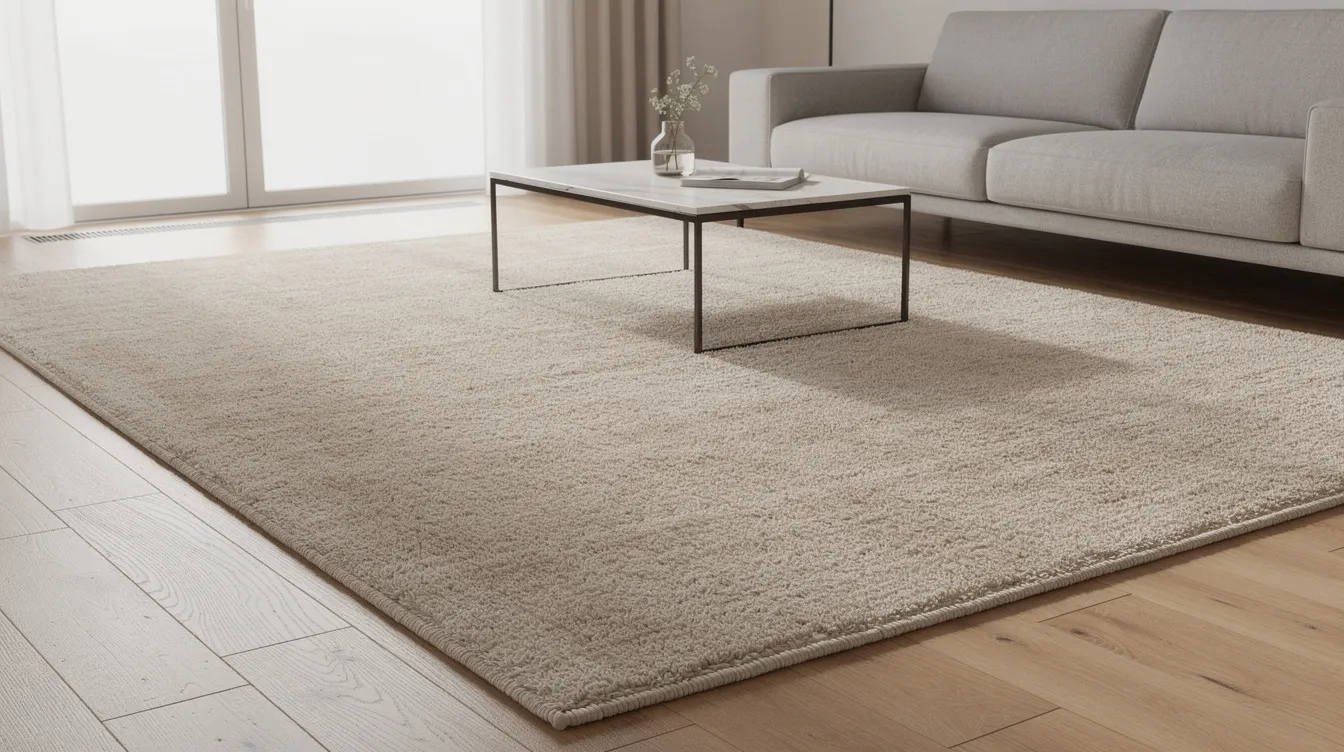
Unlike ornate traditional rugs, minimalist rugs are designed to complement a space — not dominate it. They create visual grounding without adding clutter. In modern interiors, the rug should support the architecture and furniture rather than compete with them.
the space.
1. Best Colors for Minimalist Area Rugs
Color plays a critical role in minimalist design. Interior designers typically recommend:
- Warm neutrals: beige, sand, ivory
- Soft greys
- Muted earth tones
- Monochromatic palettes
If your space has strong architectural lines or bold furniture, a neutral minimalist rug helps create balance. For city homes — especially condos with natural light and hardwood floors — light neutral rugs can make the room feel larger and more open.
2. Choosing the Right Size for a Minimalist Space
Size is where most people make mistakes. A rug that’s too small disrupts the visual harmony of a minimalist room.
Designer Rule: Leave 18–24 inches of visible flooring around the rug in living rooms to maintain clean spatial definition.
For dining rooms: The rug should extend at least 24 inches beyond the table edges so chairs remain on the rug when pulled out.
3. Best Materials for Minimalist Area Rugs
Material determines both aesthetic and practicality.
- Wool Rugs: Naturally durable, soft underfoot, and offer excellent texture without visual noise. Ideal for living rooms and bedrooms.
- Synthetic Fibers: Stain-resistant and budget-friendly. Great for high-traffic areas or homes with pets.
- Natural Fibers (Cotton, Jute): Lightweight and breathable. They add subtle organic texture and work beautifully in Scandinavian or Japanese minimalist interiors.
4. Low Pile vs High Pile: What Works Best?
Pile height affects both design and maintenance.
- Low-Pile Rugs: Cleaner visual profile, easier to maintain, ideal for modern and high-traffic spaces.
- High-Pile Rugs: Add softness and warmth, better for cozy bedrooms, but can feel heavy in ultra-minimal spaces.
In most minimalist interiors, low-pile or flat-weave rugs maintain the cleanest aesthetic.
5. Maintaining Your Minimalist Area Rug
Proper care preserves both beauty and longevity.
- Vacuum regularly to prevent dust buildup.
- Clean spills immediately.
- Use a rug pad for cushioning and stability.
- Schedule professional cleaning for wool or handmade rugs.
Especially in urban homes where seasonal debris can accumulate, regular maintenance keeps neutral rugs looking fresh and refined.

6. Rugs for Minimal Interiors
While minimalist interiors often feature clean lines and open spaces, rugs play a crucial role in adding warmth, texture, and visual interest to these spaces. Minimalist area rugs help define seating areas, create visual focal points—serving as a centerpiece that anchors the room and draws the eye—, and soften hard surfaces such as wood or tile floors. When choosing rugs for minimal interiors, opt for simple designs, neutral colors, and high-quality materials that complement the existing decor. Additionally, consider the size and placement of the rug to ensure it fits the proportions of the room and enhances the overall flow of the space. Choosing the right rug size is especially important in specific rooms like the dining room, where the rug should accommodate the table and chairs while maintaining balance and functionality. Ultimately, focus on finding the perfect rug to fit the proportions and needs of the space.

6. Where to Buy Rugs in Chicago
If you’re looking to buy rugs in Chicago to complete your minimalist interior design, there are several options to consider. From boutique shops to online retailers, Chicago offers a variety of sources for finding the perfect area rug for your home. To find the perfect carpet for your minimalist space, consider factors such as quality, size, design, and ease of maintenance to ensure it fits both your aesthetic and practical needs. Visit local rug stores and galleries like Rouzati Rugs to browse through a curated selection of modern and minimalist rugs, or explore online marketplaces for a wider range of options and styles. Many retailers now offer eco-friendly rugs made from recycled materials, such as polyester, providing sustainable choices without sacrificing style or affordability. Whether you prefer shopping in person or online, you’re sure to find the perfect minimalist area rug to complement your modern interior design aesthetic.
Click HERE to view a video about Rouzati Rugs and the variety of rugs and services that they provide!
Final Thoughts
Minimalist area rugs are more than decorative accessories — they are structural design elements that shape the mood of a room. By choosing the right size, material, color, and pile height, you can create a space that feels open, calm, and thoughtfully designed.
If you’re ready to refine your modern interior, start with a rug that supports simplicity rather than competing with it.