

A Brief Guide: How to Identify Antique Persian Rugs
An antique Persian rug is typically over 100 years old. You can identify one by checking its materials, natural dyes, hand-knotted construction, wear patterns, and overall craftsmanship. Authentic antique rugs often gain value because of their age, rarity, and condition.
Antique Persian Rug Identification Checklist
- ✓ Over 100 years old
- ✓ Hand-knotted construction
- ✓ Natural wool or silk
- ✓ Natural vegetable dyes
- ✓ Even, authentic wear
- ✓ Clear pattern on the back
What Are The Most Common Traps When Recognizing Genuine Antique Persian Rugs?
There are many ways to identify antique Persian rugs:
| Feature | Antique Rug | Vintage Rug |
|---|---|---|
| Age | 100+ years | 20–99 years |
| Value | Usually higher | Moderate |
| Rarity | Rare | More common |
| Investment | Excellent | Good |
| Collectibility | High | Medium |
Antique vs Vintage Persian Rugs
| Feature | Antique Rug | Vintage Rug |
|---|---|---|
| Age | 100+ years | 20–99 years |
| Value | Usually higher | Moderate |
| Rarity | Rare | More common |
| Investment | Excellent | Good |
| Collectibility | High | Medium |
Common Mistakes to Avoid
- ✕ Judging age by color alone
- ✕ Assuming all worn rugs are antique
- ✕ Ignoring the back of the rug
- ✕ Confusing vintage with antique
- ✕ Buying without checking knot quality
Expert Tip:
Always inspect the back of the rug. A clear, detailed knot pattern is one of the strongest signs of an authentic handmade antique Persian rug.
How to Identify an Authentic Antique Persian Rug ⭐
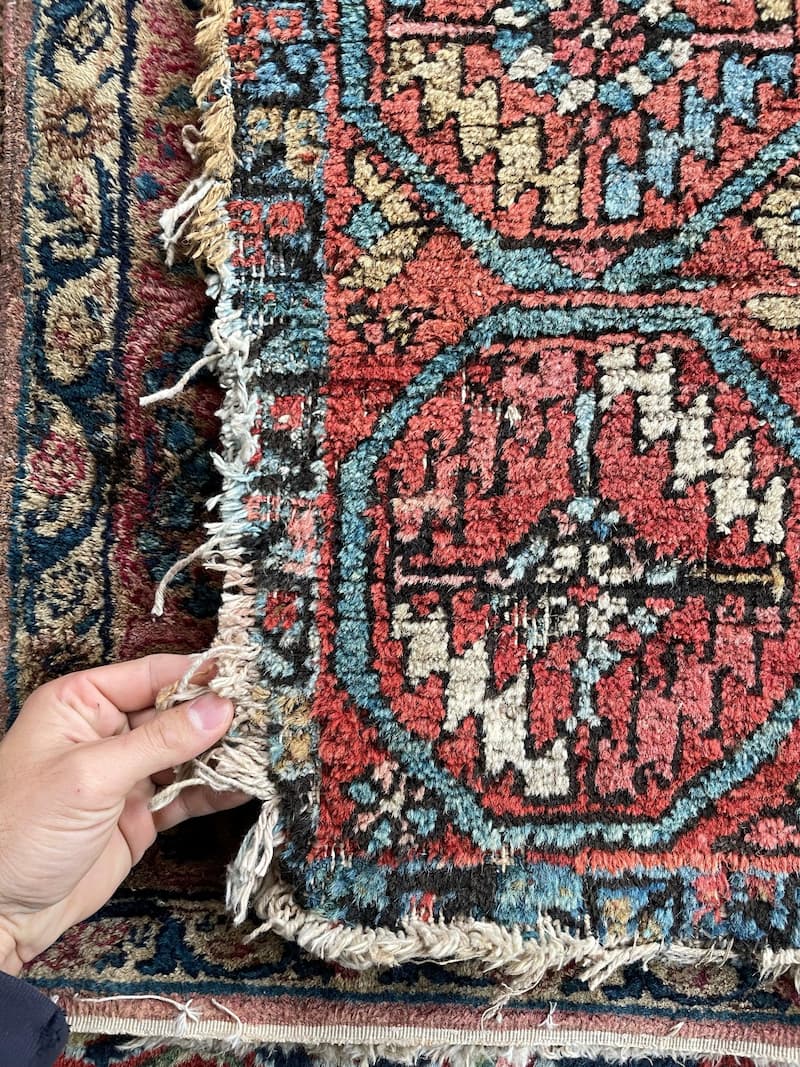
1. Age (100+ Years)
A genuine antique Persian rug is typically more than 100 years old, making age one of the first things to check.
2. Hand-Knotted Construction
Authentic antique Persian rugs are hand-knotted, with individual knots visible on the back of the rug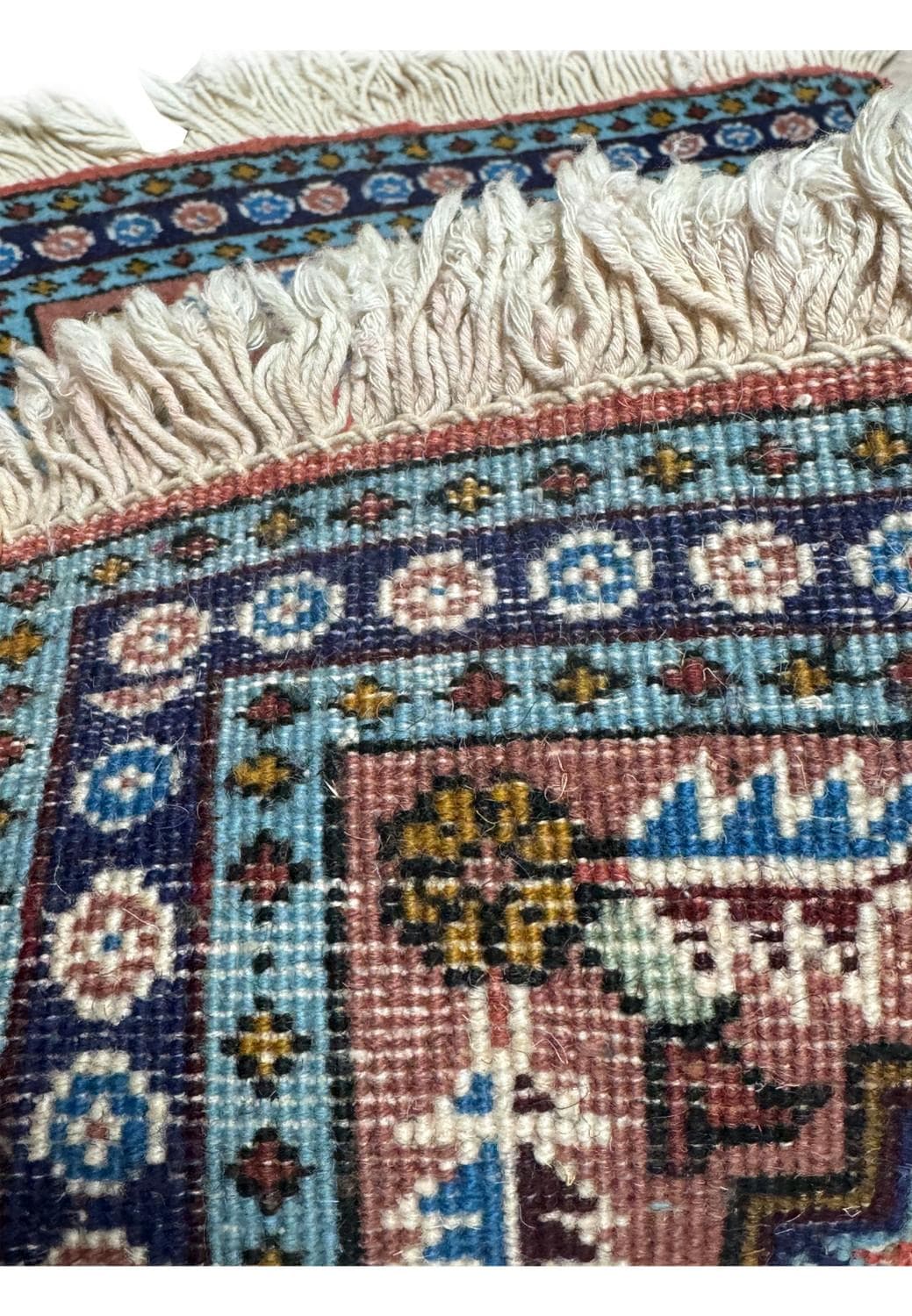
3. Natural Dyes
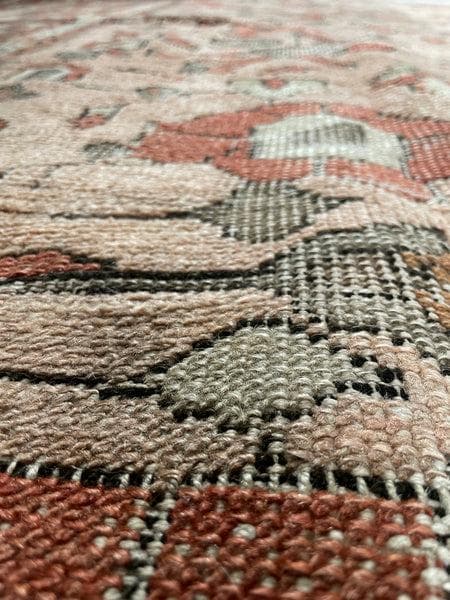
Older Persian rugs were dyed using natural plant and mineral dyes, which create rich, slightly varied colors.
4. Wool or Silk Fibers
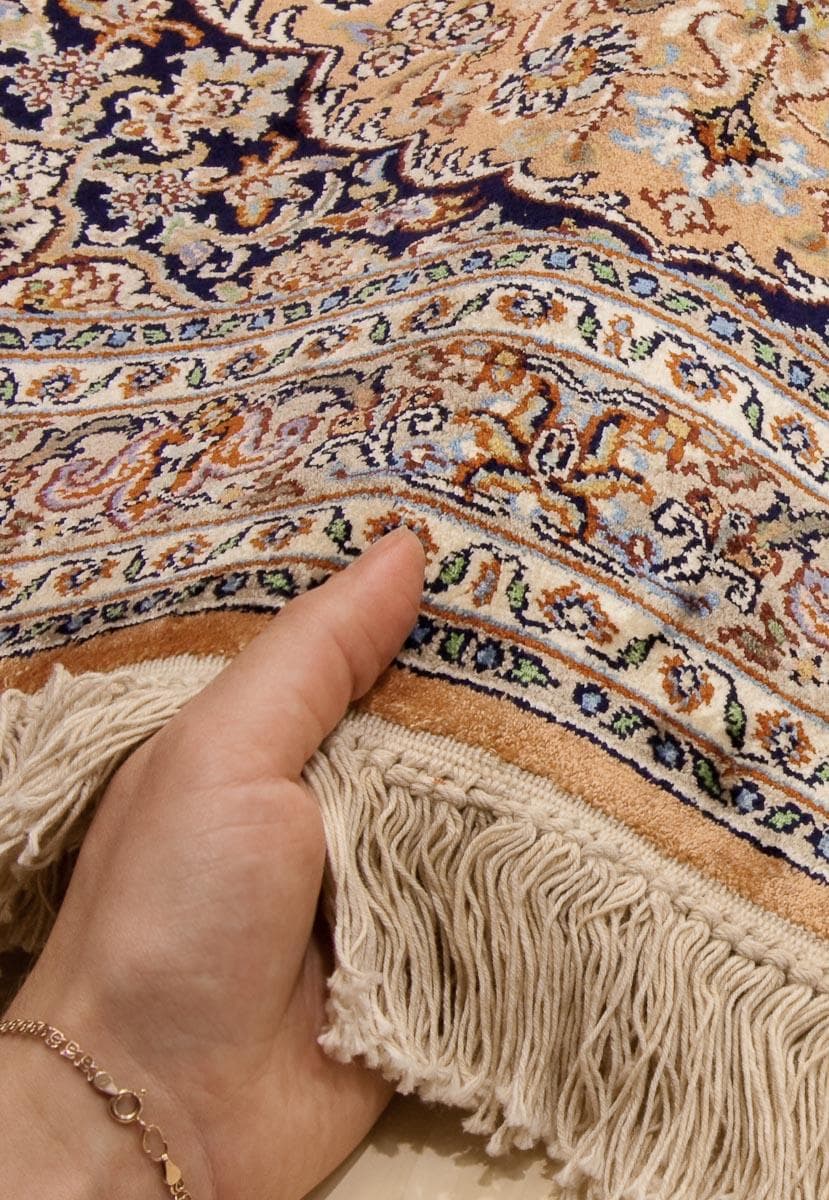
Most antique Persian rugs are woven from high-quality wool or silk, giving them a soft feel and long-lasting durability.
What Are The Types Of Persian Rugs?
There are many different Persian rugs, each with unique characteristics. However, the most common types of Persian rugs include:
- Tabriz Rugs:
Tabriz rugs, originating from the city of Tabriz in northwestern Iran, are admired for their exceptional craftsmanship and wide variety of designs. Known as one of the oldest rug weaving centers in the world, Tabriz carries a long-standing tradition of producing high-quality rugs that reflect the city’s deep cultural heritage. Tabriz rugs commonly showcase intricate floral motifs, geometric patterns, and detailed medallions, all woven with precision and careful attention to detail.
Made from high-quality wool or silk on a cotton foundation, Tabriz rugs offer a rich texture and lasting durability. Thanks to their outstanding craftsmanship and timeless design, Tabriz rugs are valued as prized pieces that bring elegance and sophistication to any interior space they enhance.
(Click here to view our Tabriz rugs!)

- Esfahan Rugs:
Esfahan rugs (also known as Isfahan rugs) originating from the city of Isfahan in central Iran, are esteemed for their unparalleled craftsmanship and intricate designs. These rugs are renowned for their fine weave, exquisite detail, and sumptuous materials, often featuring intricate floral motifs, elaborate arabesques, and ornate medallions.
Crafted using high-quality wool or silk on a cotton foundation, Esfahan rugs boast a luxurious texture and exceptional durability. With their rich history dating back centuries and their reputation for superior quality, Esfahan rugs are highly prized among collectors and enthusiasts of Persian carpets. Adorning any space with elegance and sophistication, Esfahan rugs serve as timeless works of art that elevate the ambiance of any room they grace.
(Click here to view our Esfahan rugs!)

- Kashan Rugs:
Kashan rugs, originating from the city of Kashan in central Iran, are revered for their exceptional craftsmanship and classical Persian designs. Characterized by intricate floral patterns, elegant medallions, and rich color palettes, Kashan rugs exemplify the epitome of traditional Persian rug artistry.
Hand-knotted with high-quality wool or silk on a cotton foundation, these rugs boast a luxurious feel and long-lasting durability. Known for their fine weave and meticulous attention to detail, Kashan rugs are prized possessions sought after by collectors and enthusiasts worldwide. With their timeless beauty and cultural significance, Kashan rugs serve as exquisite decorative accents that bring a touch of elegance and heritage to any home or space.
(Click here to view our Kashan rugs!)

- Qum Rugs:
Qum rugs, hailing from the city of Qom in central Iran, are celebrated for their exquisite craftsmanship and intricate designs. Often crafted with fine silk threads and featuring intricate floral motifs, arabesques, and medallions, Qum rugs showcase the unparalleled skill of Persian rug artisans.
These rugs are renowned for their luxurious texture, fine weave, and luminous colors, making them highly prized among collectors and connoisseurs of hand-woven carpets. With their timeless elegance and superb quality, Qum rugs are cherished as masterpieces of Persian artistry, adding sophistication and refinement to any interior space they adorn.
(Click here to view our Qum rugs!)

- Shiraz Rugs:
Shiraz rugs originate from the city of Shiraz, located in the southwest region of Iran. Renowned for their bold geometric patterns and vibrant color palettes, Shiraz rugs often feature motifs inspired by nature, such as floral designs or animal figures.
Handcrafted by skilled artisans using traditional weaving techniques passed down through generations, these rugs are cherished for their durability and timeless appeal. With their rich cultural heritage and meticulous craftsmanship, Shiraz rugs make a striking addition to any interior space, infusing it with warmth, character, and Persian charm.
(Click here to view our Shiraz rugs!)

What Are The Most Famous Persian Rug Designs?
Many different designs are associated with Persian rugs. However, the most popular designs include:
- Floral designs: Floral designs are some of the most popular designs found on Persian rugs. They’re often characterized by curved designs and ornate details.
- Geometric designs: Geometric designs are also popular among Persian rugs. They often feature boxed shapes with angles, and generally have a primitive look.
Click HERE to watch a video on different rug categories!
How To Identify an Authentic Persian Rug?
1. Find Out Where The Rug Was Made
When you identify antique Persian rugs, it is essential to find out where the carpet was made. Many antique Persian rugs are made in Iran, but many are made in other countries, such as Turkey and China. If the carpet is not made in Iran, it is likely not an antique. It should be noted that some replicas of antique Persian rugs are made in Iran, so this is not a guarantee.
2. Hand-Tufted or Hand-Knotted
Another thing to consider when determining the age of a Persian rug is whether it is hand-tufted or hand-knotted. Antique Persian rugs will typically be hand-knotted. This means that each strand of yarn is twisted by hand. If the rug is machine-made, they are not antique rugs.
Hand-knotted rugs are typically more valuable than hand-tufted rugs. This is because they are more labor intensive to make and therefore considered to be of higher quality.
3. Check for a Signature
Some antique Persian rugs may have a signature on them. This can be a helpful way to determine what workshop the rug was woven in. If the signature is from a well-known rug weaver, such as Seirafian, then the rug likely is an antique.
4. Make Sure to Check the Front and the Back of the Rug
When you identify antique Persian rugs, it is also important to check the front and back of the carpet. The front of the mat will typically be in better condition than the back, as it has not been exposed to as much wear and tear. However, the back of the rug can still provide some clues as to its age.
5. Persian Rugs Have a Soft Backing
One of the main things to look for when checking the back of a Persian rug is the backing. Antique Persian rugs typically have a soft foundation made of cotton or wool. If the foundation is made of something else, such as nylon or polypropelene, it is not an antique.
6. The Knotting of the Rug
Another thing to look for on the back of a Persian rug is the knotting. These tiny knots are used to secure the strands of yarn in place. The more knots there are, the higher quality the rug will be.
7. The Hem
The hem is the edging of the rug that is finished with a different weave than the rest. It is typically made of cotton or wool and is tightly woven. The hem can be a helpful way to determine the age of authentic Persian rugs, as older rugs will have an aged edging.
8. Inspect the Rug for Wear and Tear
Another thing to look for when determining the age of handmade Persian rugs is it’s condition. Antique rugs typically show signs of wear, such as fraying or fading. If the carpet looks in perfect condition, it is likely not an antique.
9. Consider the Design of the Rug
The design of a Persian rug can also help determine its age. Older rugs may have more of an intricate design, as antique rugs generally are made with higher quality.
10. Check the Fringe
The fringe is the part of the rug that hangs down from the end. It is typically made of wool or cotton and is usually tightly woven. The condition of fringes can be a helpful way to determine the age of a Persian rug, as older rugs will have shorter or worn out fringes than newer rugs.
11. See If It’s Colorfast
The color of a Persian rug can also help determine its age. Older rugs will often have more subdued colors than newer ones. It is likely not an antique if the rug’s dyes are vibrant and fresh.
12. Consult With An Expert
If you are still unsure whether a Persian rug is an antique, it is always best to consult with an expert. Many experts deal specifically with antique Persian rugs, and they will be able to give you a more accurate assessment.
When you want to identify antique Persian rugs, it is essential to consider all of these factors. Antique Persian rugs can be valuable pieces that add beauty and history to any home.
If you think you may have antique Persian or Turkish rugs, it is best to consult a reputable retailer like us , your expert for Persian Rugs in Chicago, to get a more accurate assessment.
💡KEY TAKEAWAY: please feel free to get in touch with us.
Difference Between Persian and Oriental Rugs
Persian rugs are those that were made in Persia, which is now known as Iran. Oriental rugs were made in the “orient” or Middle East and Asian countries. Most Persian rugs are typically more valuable than Oriental rugs because they are considered to be of higher quality, with a deeper culture and history of rug weaving. Also, most Persian rugs often have more intricate and detailed designs than others. Conversely, the structures of Oriental rugs are not as ornate or tightly woven. If you still have any doubts, then give us a call at our oriental rugs Chicago service center.
If you want to buy authentic or antique rugs, then contact Rouzati Rugs – highly rated on Google and Yelp as a premier rug retailer in the North Shore of Chicago.

How Can We Help to Identify the Authenticity of Persian Rugs?
After many years of supplying the best Persian rugs in Chicago, we have assembled a team of experts dedicated to helping our customers identify the authenticity of their rugs. We offer a wide range of services for traditional rugs, including rug appraisals and a certificate of authentication, to help our customers determine the age and value of their carpets. We also sell a wide variety of unique transitional rugs, so that our customers can find the perfect carpet for their homes.
Want to Clean Your Rugs? Contact Us Today!
Schedule an appointment for our rug cleaning experts to come to your home to pickup your rug, and clean it in our rug cleaning facility. We also offer various other rug-related services, such as repair and restoration.
Call us today at 847-328-0000 ext. 1 or email us at info@rouzatirugs.com.
FAQ
-
How old does a Persian rug have to be to be antique?
A Persian rug is generally considered antique if it is 100 years old or more.
Can antique Persian rugs still be used?
Yes. With proper care, antique Persian rugs can still be used in low-traffic areas.
Are antique Persian rugs worth money?
Yes. Authentic antique Persian rugs are often valuable due to their age, craftsmanship, and rarity.
How do experts identify antique Persian rugs?
Experts examine the materials, dyes, knotting, wear patterns, and overall craftsmanship.
What’s the difference between antique and vintage Persian rugs?
An antique Persian rug is over 100 years old, while a vintage rug is typically 20–99 years old.