

Key Takeaways
- This guide compares major rug brands-from machine washable options to luxury hand-knotted pieces-and explains how Rouzati Rugs fits into that landscape as a family-owned retailer in Wilmette and Evanston, Illinois, specializing in high-end, vintage, antique, contemporary, and custom rugs plus cleaning and restoration services.
- Before choosing a brand, evaluate construction (hand-knotted vs machine-made), material (natural fibers vs synthetic fibers), pile height, and whether a rug is truly machine washable.
- Washable rugs are excellent for kid- and pet friendly spaces, but premium wool and silk pieces from artisan brands like Kalaty Rugs remain the benchmark for longevity and luxury.
- Pairing any rug with a quality rug pad dramatically improves comfort, safety, and rug life, regardless of brand.
- A hybrid strategy works best for most households: washable rugs in mess-prone zones, investment pieces in rooms where beauty and durability matter most.
Introduction: Why Rug Brands Matter
Rug brands are defined by their construction method rather than marketing labels. Hand-knotted pieces use individual wool fibers tied to a foundation for longevity, while power-loomed synthetics prioritize low cost and machine washability. Evaluating a brand requires balancing immediate convenience against the long-term structural integrity of the weave, foundation, and fiber density.
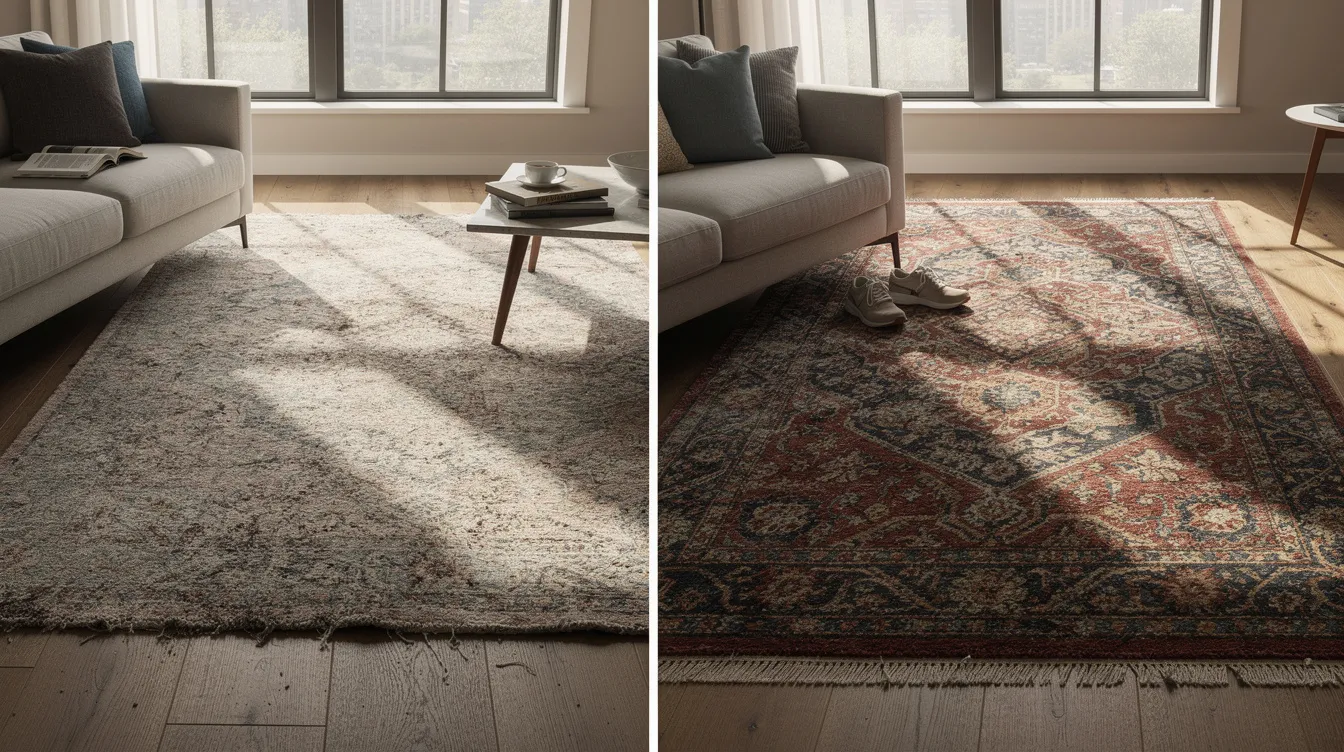
Rug Construction & Lifespan Comparison
| Feature | Hand-Knotted Wool | Machine-Washable Synthetic |
| Typical Lifespan | 20–50+ Years | 3–5 Years |
| Fiber Recovery | High (natural elasticity) | Low (prone to matting) |
| Maintenance | Professional deep cleaning | Residential washing machine |
| Best Room Use | Living and dining rooms | Kitchens and mudrooms |
What separates one brand from another comes down to a handful of measurable factors: materials (wool, silk, jute, synthetics), construction method (hand-knotted, hand-loomed, tufted, power-loomed), country of origin, and design philosophy. This guide covers real examples across budgets-from washable rug brands like Ruggable and rugs usa collections to heritage labels like Kalaty Rugs-and explains how Rouzati Rugs curates and competes with them. Written from Rouzati’s perspective as a specialist retailer serving Chicago’s North Shore, the focus here is on quality, craftsmanship, and long-term value rather than disposable décor.
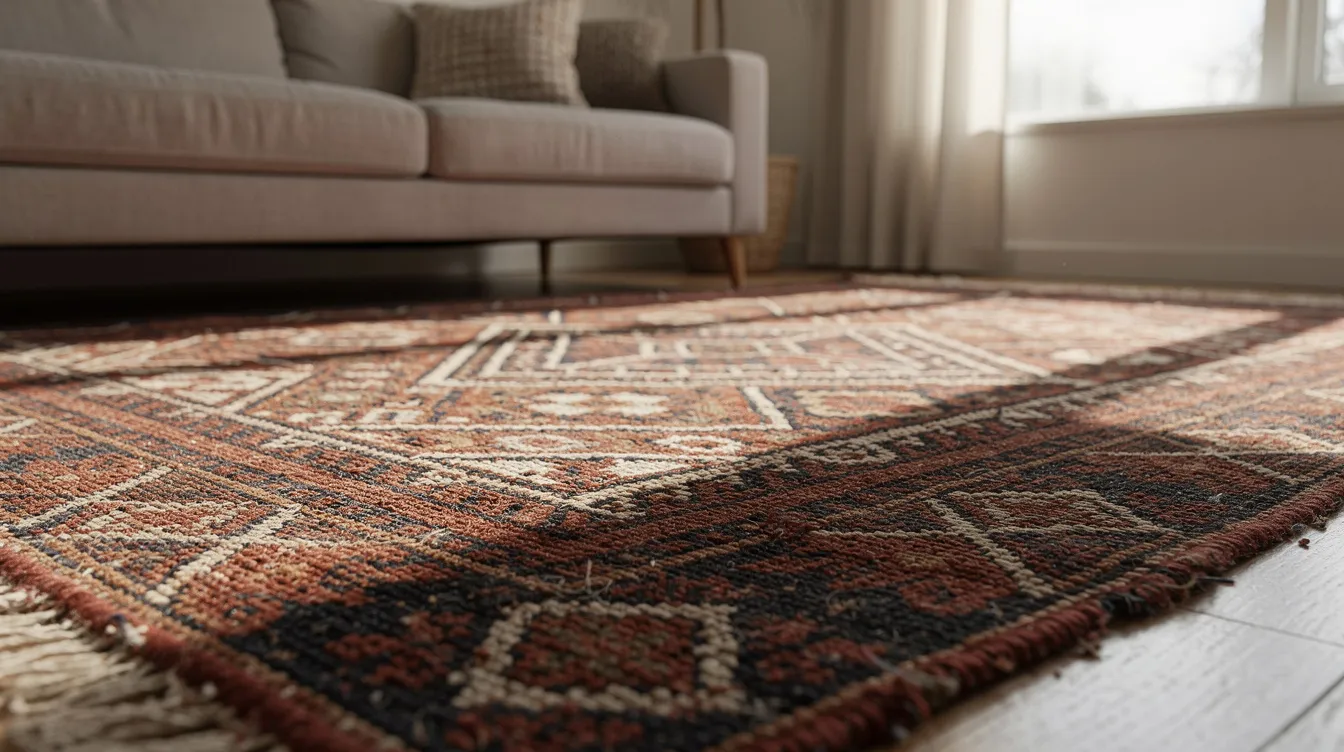
How to Compare Rug Brands: Construction, Fibers, and Pile Height
Before comparing names like Kalaty, annie selke, Ruggable, or Rugs USA, you need to understand the build of the rug itself. Rug brands can range from affordable to high-end artisan-made options, but what’s underneath the pattern matters more than the label.
Construction types to know. Hand-knotted rugs (used by Kalaty and fine Oriental makers) involve individual knots tied around warp threads-sometimes taking months per piece. Hand-tufted rugs are faster to produce but less structurally resilient. Hand-loomed and flatweave rugs are lightweight, often reversible, and easy to clean. Power-loomed or machine-made rugs rely on automated looms and synthetic fibers for rapid, low-cost production. Quality-conscious buyers prefer unique hand-knotted or hand-tufted rugs because of their superior durability and character.
Fibers make the difference. Wool rugs are known for their softness and durability-natural elasticity lets wool recover its shape, and lanolin provides built-in stain resistance. Silk is used for sheen and fine detail but requires careful handling. Natural fiber rugs like jute and sisal are durable and low-maintenance, perfect as textured base layers. Cotton appears in many washable and flatweave options. Synthetic rugs like nylon and polyester are often more affordable, though they typically flatten faster-polypropylene rugs in high-traffic zones often show wear within three to five years, while good wool rugs can last ten to fifteen years or more.
Pile height affects everything. Rug types include flatweave, low-pile, and high-pile styles, each suited to different rooms. Flatweave rugs have no pile and are easy to clean-ideal for dining rooms and small rugs near entries. Low-pile (up to about 0.25 inches) works in kitchens. Medium pile (0.25–0.5 inches) balances comfort and manageability. A high pile rug or shag (0.75 inches and above) delivers plush cushion underfoot but traps debris and is harder to vacuum. Many machine washable rugs are flatweave or low-pile synthetics, while heirloom pieces tend to be thick hand-knotted wool requiring professional cleaning-services Rouzati Rugs provides at its Evanston facility.
Washable Rug Brands: Convenience for Busy, Pet-Friendly Homes
Washable rugs surged in popularity after about 2018, driven by open-plan kitchens, more pets, and the reality of working from home. If you have a dog, a cat, or kids who treat every meal as a science experiment, being able to machine wash a rug changes everything. Washable rugs can be machine washed for easy cleaning, though larger rugs may require commercial washers for cleaning.
Ruggable-style systems use a two-piece design: a printed rug cover that peels off and goes in the washer, plus a rubberized pad that stays on the floor. Ruggable rugs are machine-washable and convenient for busy households. The trade-off is a thinner feel underfoot-less cushion than a traditional woven piece-and corners that can sometimes curl.
Rugs USA–type washable collections offer budget-friendly printed polyester rugs in a range of contemporary rugs, neutral tones, and bold pattern options. Many small rugs (2×3 feet, runners) are ideal for entries and kitchens. Flatweave rugs are easier to vacuum and maintain, making them a popular choice for high traffic areas. Mohawk Home offers affordable rugs ideal for busy households in a similar vein.
Revival rugs–style washable lines lean into cotton or recycled-polyester flatweaves, sometimes inspired by vintage or global motifs. The design value is higher than generic prints, and many are advertised as machine wash or hose-washable. Annie Selke–influenced washable designs-thin, printed polyester with light backing-work well in hallways, mudrooms, and bathrooms where a low-profile, low maintenance rug is needed.
At Rouzati Rugs, clients often pair a stylish washable rug in mess-prone areas with a more substantial hand-knotted or hand-loomed rug in formal living rooms and primary bedrooms. This hybrid approach lets you enjoy both convenience and lasting beauty without compromise. Well-made washable rugs average about three to five years of life in heavy use, with premium versions reaching seven to ten years under moderate conditions.
Kalaty Rugs and Other Heritage-Inspired Brands
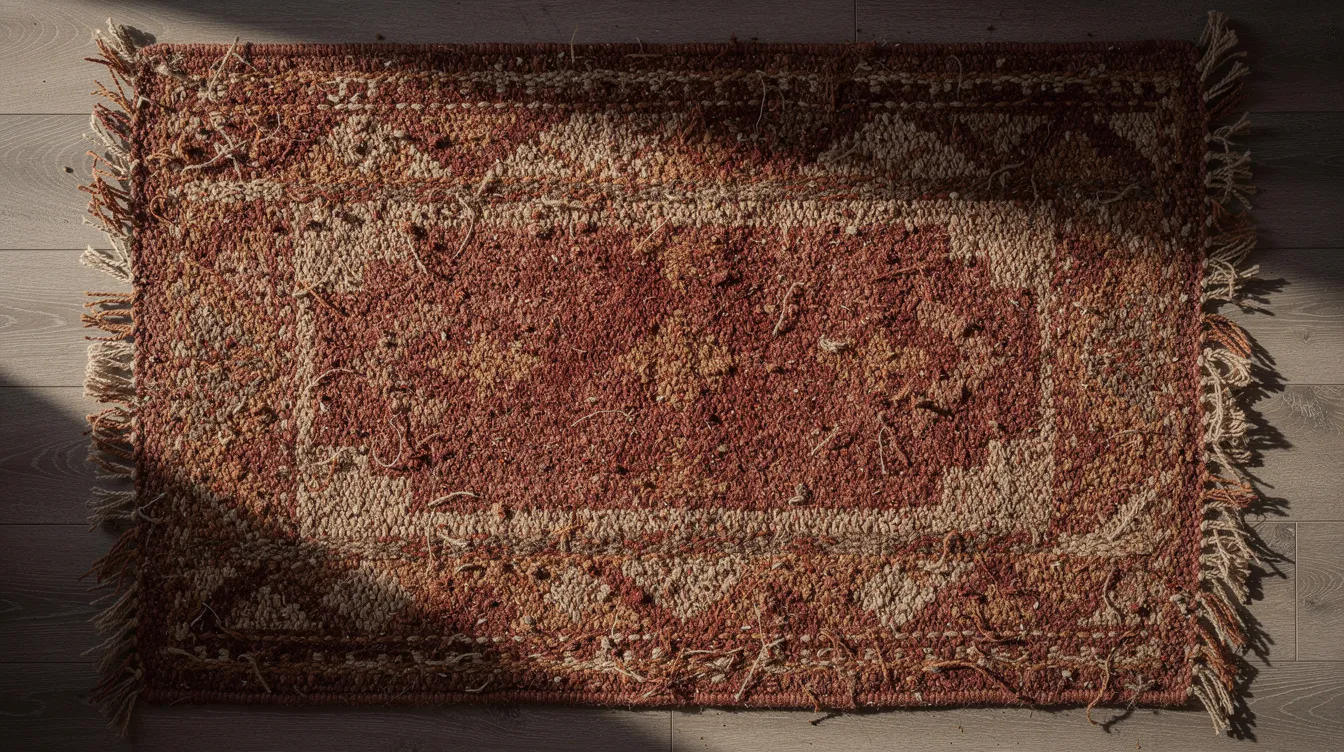
Kalaty Rugs represents what heritage craftsmanship looks like in practice: hand-knotted and hand-loomed pieces using premium hand-spun wool, sometimes blended with silk, in collections like Allegro (fine hand-knotted, low-pile, 100% wool) and Grenada (hand-spun wool with rich texture). Artisan-made rugs often focus on ethical production and craftsmanship, and Kalaty embodies that standard with attention to hand finishing, natural dyes, and designs drawn from traditional Oriental and transitional motifs.
What sets Kalaty-caliber rugs apart from mass-market brands is measurable. Higher knot counts per square inch yield sharper design clarity and greater structural durability. Natural fibers and dyes develop a patina over time-subtle, warm color shifts that collectors prize-whereas synthetic dyes tend to fade harshly. Durable rugs are preferred for high-traffic areas, and a well-made hand-knotted wool rug can handle decades of daily life. Wool rugs often need professional deep cleaning for stains, but they reward that care with lifespans of twenty to fifty years or more.
Kalaty-quality pieces shine in formal living rooms, dining rooms where chairs are lifted rather than dragged, and primary bedrooms where owners want investment pieces. Nourison is known for luxurious textures and exquisite designs in a similar tier, with Nourison rugs emphasizing intense colors and multi-dimensional textures across their higher-end hand-knotted lines. Boutique Persian and Turkish workshops round out this space for buyers who value provenance.
Rouzati Rugs frequently sources antique, semi-antique, and modern hand-knotted rugs of similar caliber to Kalaty and is widely regarded as one of the best places to buy rugs in Chicago. In-home trials-where several rugs are delivered to a client’s house for a few days-let buyers compare artisan brands under real lighting and with their own furniture, which no online shopping experience can replicate.
Contemporary and Designer-Driven Rug Brands
Designer-led brands and collaborations have reshaped how people think about contemporary rugs. Geometric abstracts, tone-on-tone textures, and curated neutral palettes now dominate the market, and rug styles can range from bohemian to modern traditional designs within a single brand’s catalog.
Loloi is known for trendy vintage-inspired printed flatweaves, and Loloi Rugs features unique collaborations with well-known designers that regularly go viral. West Elm focuses on sustainable materials and modern aesthetics, blending natural materials with accessible pricing. Safavieh offers a wide selection of high-quality area rugs that span from safavieh rugs in traditional patterns to modern geometrics. Contemporary rugs prioritize eco-friendly materials such as natural fibers, often using a blend of wool and cotton or wool and polyester to balance soft texture with cost.
Rouzati Rugs approaches contemporary style by curating modern, transitional, and custom rugs that integrate with real architecture-not one-size-fits-all catalog schemes. Collaborating directly with local interior designers, they help clients create a space where a single bold statement rug can serve as the focal point of a room, whether it’s an open-plan loft, a mid-century home in Winnetka, or a modern condo in Evanston.
Natural Fiber and Eco-Focused Rug Brands
Natural fiber rugs-jute, sisal, seagrass, wool, organic cotton-appeal to eco-conscious buyers and anyone who loves texture-rich, layered interiors. They bring warmth to a floor without synthetic sheen, and many are woven from renewable, biodegradable natural materials.
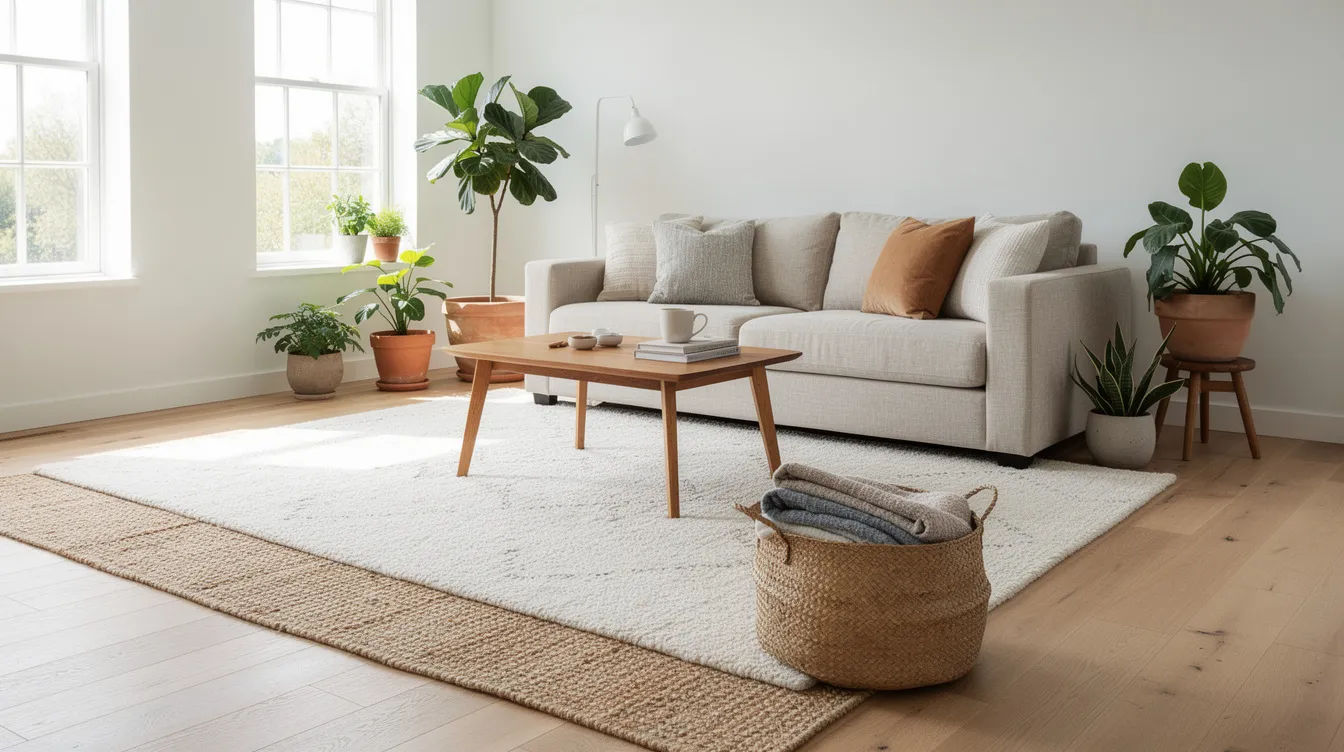
Jute and sisal rugs typically have low to medium pile height, earthy beige or golden color, and a cozy, casual feel. Jute rugs can be spot cleaned with a damp cloth, making them practical for dining areas and family rooms. Armadillo & Co specializes in sustainable rugs made from natural fibers, offering artisan-quality flat and low-pile designs. Revival Rugs focuses on ethically sourced vintage-inspired rugs, and many of their natural fiber lines feature subtle pattern work rather than plain solids. Traditionally designed rugs can be made from recycled materials, expanding options for sustainability-minded shoppers.
Wool remains the gold standard: naturally stain-resistant, flame-resistant, and long-wearing. But quality varies radically between discount big-box wool rugs and premium lines like Kalaty or handmade Persian pieces. Organic cotton washable rugs, similar to what Lorena Canals offers, combine natural fibers with machine wash capability-attractive for nurseries and kids rooms where spills are constant.
Rouzati Rugs recommends natural fiber options for stair runners (wool for safety and resilience), jute layering in casual family rooms, and precious Persian rugs or antique wool rugs for buyers who want pieces that can be restored rather than replaced. The trade-off: some natural fibers shed initially, sisal is not ideal for wet areas, and natural fiber washable rugs are bulkier in the washer than synthetics.
What Actually Happens in Chicago
In the North Shore climate, humidity levels fluctuate drastically between summer and winter. This environmental shift causes significant stress on synthetic rug backings, which often become brittle or degrade after repeated heating cycles. Professional rug cleaning (https://rouzatirugs.com/services/cleaning) is often the defining factor between a piece that lasts five years and one that endures for generations because it removes deep-seated abrasive particulates before they can sever the foundation fibers.
In real situations, local residents usually:
- Overestimate the durability of flatweave cotton rugs in high-humidity basements.
- Forget that heavy Chicago-style dining chairs drag across rugs, requiring high-density pile to prevent structural fiber snapping.
- Attempt to wash large rugs in residential machines, which often damages the drum and fails to fully rinse the rug backing.
The Insider Perspective on Rug Durability
Most articles focus on surface patterns, but the true longevity of a rug hides in the “crimp” of the wool. Manufacturers use different spinning techniques to create varying levels of internal tension. When a rug is machine-made, the fibers are often glued to a secondary backing, which eventually dries out and cracks. This failure causes the rug to lose its shape and slide across the floor. This happens because the adhesive process ignores the natural movement of the fiber, leading to delamination in climate-controlled environments like an Evanston home.
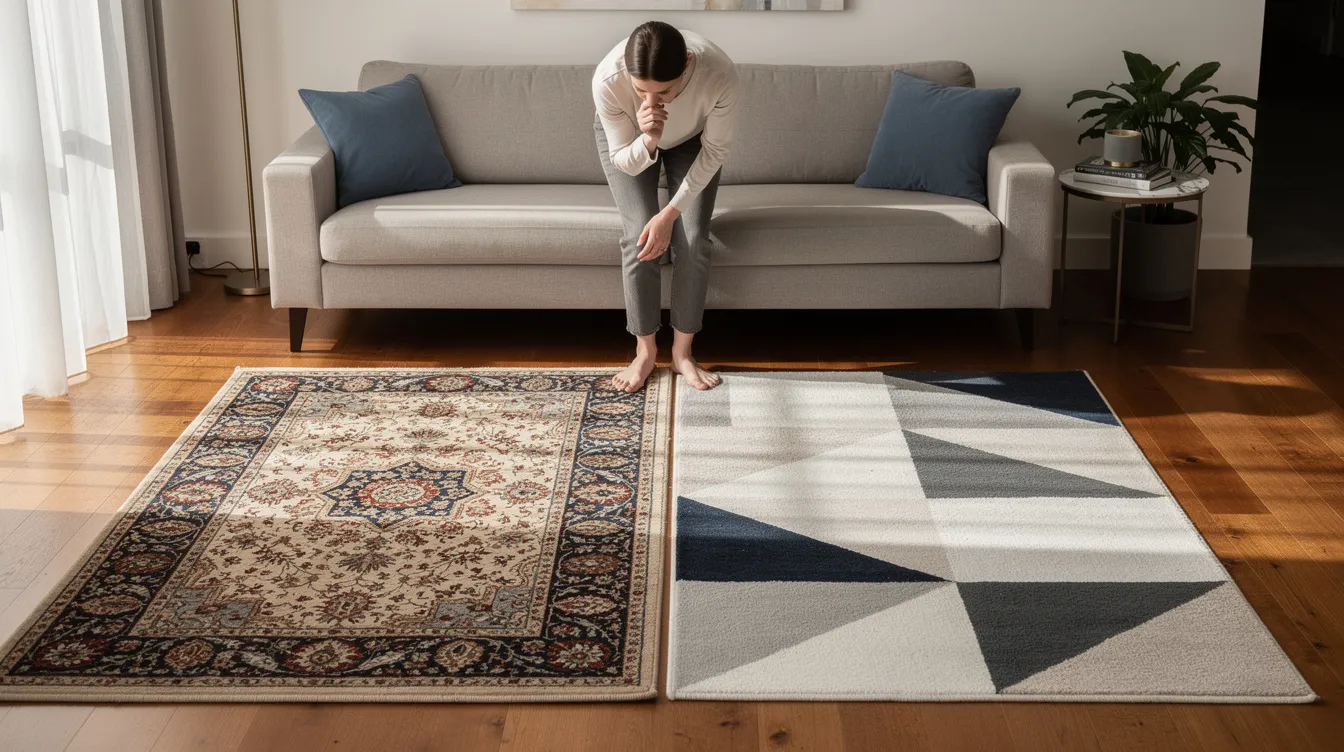
How to Choose the Right Brand and Rug for Your Space
Myth: All hand-tufted rugs offer the same quality as hand-knotted heritage pieces.
Reality: Hand-tufted rugs utilize a glue-based backing that mimics the look of knots but fails to provide the same structural resilience under heavy foot traffic. Local homeowners often find that these rugs shed excessively after three years because the adhesive binder degrades and releases the wool tufts.
FAQ
Do washable rugs perform well in high-traffic hallways?
Washable rugs are engineered for spill-prone zones, but they lack the fiber density required to prevent “tramlining” or visible paths in high-traffic corridors. This occurs because the thin backing cannot absorb the mechanical stress of thousands of footfalls, which forces the synthetic pile to flatten permanently within the first year of use.
How does rug size affect the need for custom fabrication?
Designers often turn to custom rug fabrication (https://rouzatirugs.com/services/custom) when standard sizes from mass-market brands fail to fit the irregular footprints of Chicago bungalows or historic home floor plans. This process allows for precise spatial integration, ensuring the rug foundation sits flush against baseboards without creating hazardous tripping points during seasonal furniture shifts.
Is it possible to save a rug that has lost its fringe or binding?
Yes, professional rug repair (https://rouzatirugs.com/services/repair) restores structural integrity to damaged wool fibers, ensuring that vintage pieces remain functional rather than decorative. This service is necessary because loose binding allows the rug’s foundation to unravel, which eventually leads to complete surface degradation if left unaddressed.