

Antique rugs and oriental rugs are not ordinary floor coverings. Many antique Persian and tribal pieces from the late 19th or early 20th century contain hand-spun wool, cotton foundations, silk details, and dyes that can react badly to heat, moisture, or harsh chemicals.
That is why cleaning antique rugs calls for an antique rug cleaner, not standard carpet cleaners. Rouzati Rugs is a family-owned rug specialist serving Wilmette, Evanston, and Chicago’s North Shore, offering professional cleaning, repair, and restoration for antique rugs, persian rugs, vintage rugs, and fine hand knotted rugs.
This guide explains how to clean vintage rugs safely, when professional cleaning is the best bet, and what our expert cleaning process looks like.
What Counts as an Antique Rug (and Why That Matters)
Antique rugs are typically defined as those that are over 100 years old, while semi-antique rugs are between 50 to 99 years old, and vintage rugs are classified as being 20 to 49 years old. A c. 1910 Heriz, for example, is antique; a 1970s Oushak is vintage.
- Antique: 100+ years
- Vintage: 20–49 years
- Contemporary: under 20 years
The most common types of antique rugs include Persian, Turkish, Oriental, and tribal rugs, each reflecting unique cultural backgrounds and weaving techniques. Many Chicago North Shore homes include Tabriz, Heriz, Sarouk, turkish rugs, Caucasian, Indian, Chinese, or village weavings.
Antique rugs are often made from natural fibers such as wool, cotton, and silk, which contribute to their unique textures and characteristics. The craftsmanship of antique rugs is often characterized by hand-spun wool and the use of natural dyes, which were commonly derived from plants and insects before the 20th century.
Modern rugs, synthetic rugs, and machine-made carpets may tolerate methods that an antique persian rug cannot. Whether a rug came from a rug dealer, family estate, or thrift store, never assume a wall-to-wall carpet method is safe.
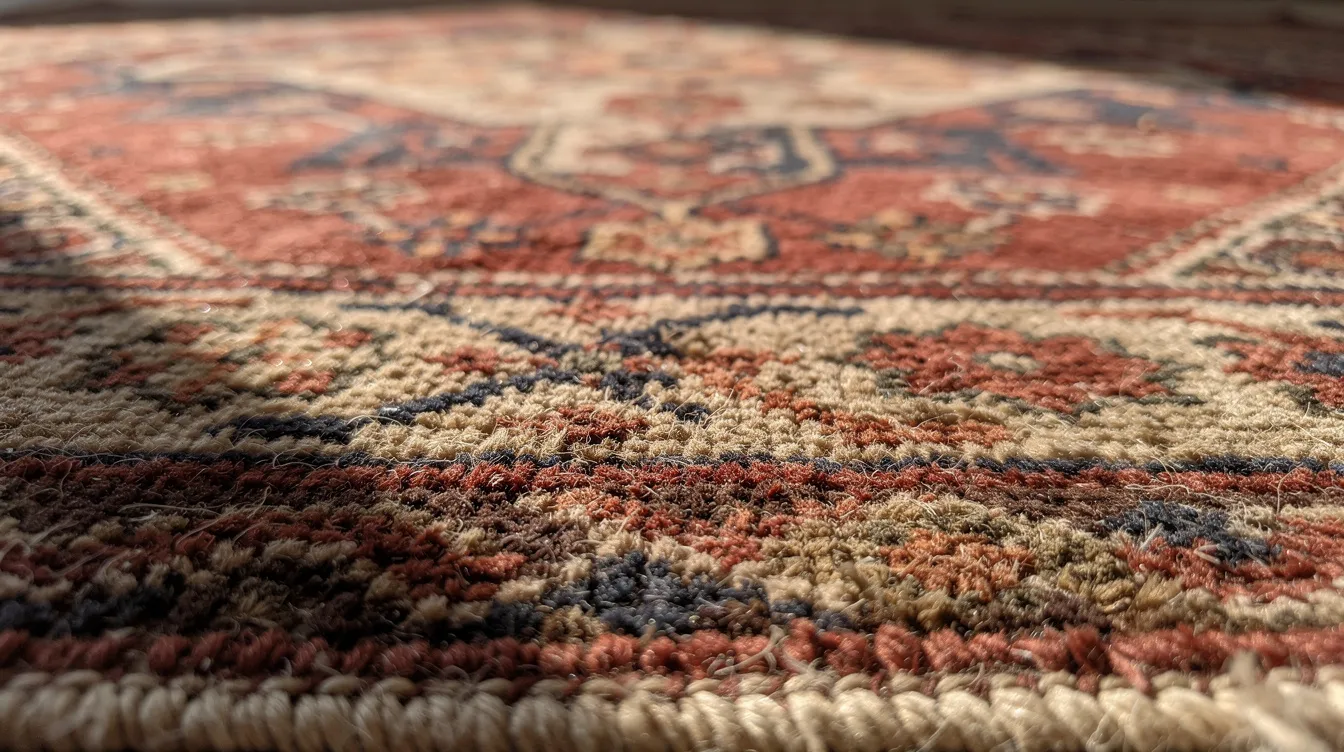
Can You Clean Antique and Vintage Rugs at Home?
Yes, you can do light maintenance at home, but deep cleaning antique rugs should be left to a professional rug cleaner. Antique rugs require specialized care and maintenance, including professional cleaning, to preserve their structural integrity and value, as they are often made from delicate natural fibers and dyes.
Safe DIY vs. Call a Professional:
- Safe: regular vacuuming with a suction-only vacuum cleaner, gentle dusting, and blotting a fresh spill with a clean cloth.
- Safe: using a broom or soft brush on smaller rugs that are too fragile for frequent vacuum passes.
- Call Rouzati Rugs: broad stains, odors, pet accidents, silk, unstable dyes, worn areas, or valuable antique persian pieces.
- Avoid: steam, hot water, bleach, oxy cleaners, aggressive scrubbing, rented machines, and harsh chemicals.
Hot water and steam should be avoided when cleaning antique rugs because heat can shrink wool and reactivate unstable dyes. Harsh chemicals can be corrosive to natural proteins in antique rugs and accelerate decay.
Essential At-Home Care: Daily & Weekly Maintenance
Routine care reduces dirt, protects fibers, and delays the need for aggressive washing. Regular vacuuming and dusting of antique rugs helps preserve both their beauty and value, allowing them to be enjoyed for generations.
Maintenance Checklist:
- Use a canister vacuum with a suction-only floor tool, avoiding the fringes that are highly fragile and easily shredded.
- Never use a vacuum beater bar as rotary brushes can tear through fragile wool fibers and pull out knots.
- Vacuum with the direction of the pile; limit passes over worn areas.
- Rotate the rug 180 degrees every 6–12 months; rotating an antique rug every few months helps ensure even wear and prevent uneven fading from UV exposure.
- Use quality padding under antique rugs to protect them from hard floor abrasion.
- Avoid direct sunlight, excess humidity, and heavy grit from shoes.
- In a dining room, lift chairs rather than dragging furniture across the rug.
Antique rugs are made from natural fibers that can easily deteriorate over time due to factors like sunlight, humidity, and soil, leading to color loss and fiber damage, making special care necessary.
How to Handle Spills and Stains on Antique Rugs
Immediate blotting with a clean, white damp cloth is crucial for addressing spills on antique rugs to prevent damage. Blot; never rub.
Do / Don’t:
- Do: place a towel under the rug if the spill has gone through.
- Do: use cool water and press dry towels into the pile.
- Do: absorb remaining moisture in an antique rug by pressing clean, dry towels into the pile, and dry it flat with airflow.
- Don’t: use vinegar mixes, baking soda paste, peroxide, or dish soap.
- Don’t: scrub red wine, coffee, pet stains, or dark spots.
A weak solution of cool water and mild, pH-neutral soap should be used for cleaning, without aggressive scrubbing. If stains or odors remain, call for professional rug cleaning before dye bleed or fiber rot sets in.
Rouzati Rugs’ Professional Antique Rug Cleaning Process
Rouzati Rugs provides professional rug care for antique rugs, oriental rugs, Persian rugs, vintage and antique rugs, and fine antique and vintage rugs across the North Shore. Professional rug cleaning services are essential for maintaining the beauty and longevity of antique rugs, as they can eliminate deeply embedded dirt and grime that regular vacuuming cannot remove.
Our cleaning process includes:
- inspection and dye testing
- dry soil removal
- custom hand washing or low-moisture cleaning
- controlled rinse, drying process, and final inspection
Professional cleaning services utilize specialized machinery and formulations to ensure a comprehensive clean without excess water that could encourage mold growth in antique rugs.
1. Inspection, Documentation, and Dye Testing
Before washing, we measure the rug, photograph front and back, and note moth damage, old repairs, dry rot, pet urine, and prior dry cleaning or steam damage.
Before cleaning a vintage rug, it is essential to check its fiber and colorfastness by testing a small area to ensure that the dyes do not bleed. We test reds, blues, greens, and blacks carefully; conservation-style testing, such as guidance from the Canadian Conservation Institute, reinforces why no cleaning begins until dye behavior is understood.
2. Dry Soil Removal
Most rugs hide dust and grit at the base of the pile. That dirt acts like a tiny blade, cutting wool fibers under foot traffic.
Our dry soil removal uses controlled vibration, air, and dusting equipment-more refined than an old rug beater-to loosen soil from both sides without stressing weak areas. This step comes before any hand washing.
3. Custom Hand Washing or Low-Moisture Cleaning
The best method to clean an antique rug is a gentle, low-moisture surface wash using pH-neutral products. For sturdy wool rugs, we may use controlled hand washing with soft brushes, working with the pile.
Wet cleaning is recommended for vintage rugs that need a deeper clean, especially in high-traffic areas or when visible stains are present, but it must be done carefully to avoid damage. Dry cleaning is a suitable method for delicate or non-washable rugs, such as silk blends or antique Persian rugs, as it is gentler than wet cleaning. Here, “dry cleaning” means specialist low-moisture care-not harsh clothing solvents.
4. Controlled Rinsing, Drying, and Final Inspection
We rinse loosened soil and soap until the water runs clear, supporting the rug flat to avoid creases, stretching, or warping.
The rug is dried flat or on racks with steady air, not direct sunlight. Final inspection confirms the pile is groomed, edges are secure, odors are removed where safely possible, and the clean antique rug is fully dry before return.
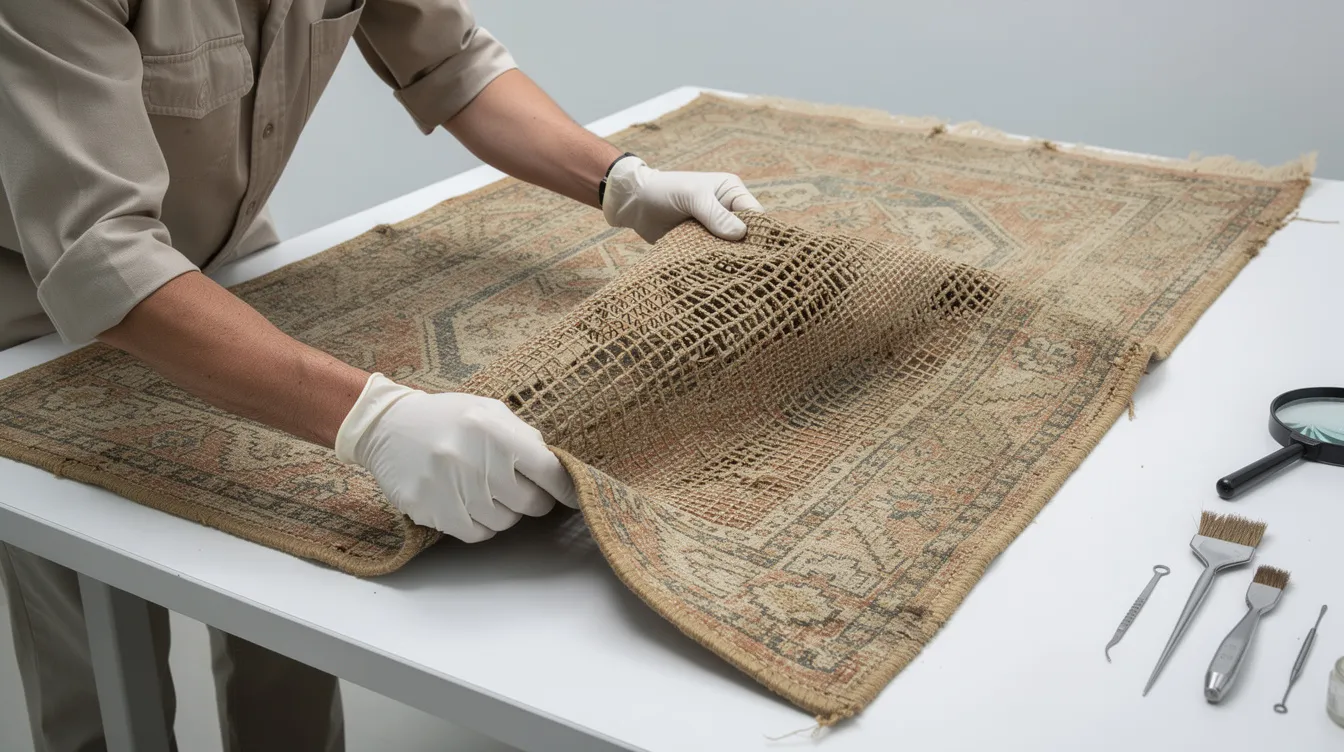
Hand Washing vs. Dry Cleaning: What’s Really Safe for Antique Rugs?
- Hand Washing: best for stable wool and cotton foundations when dyes test safe.
- Low-Moisture Cleaning: best for fragile antique, silk, or non-colorfast pieces.
- Commercial “Dry Cleaning” Solvents: risky for natural fibers and dyes.
Rouzati Rugs never uses carpet steam cleaning or one-size-fits-all machines on high-value antiques. We choose the least invasive method that will safely clean the rug.