

Antique rug preservation focuses on maintaining structural integrity, original materials, and long-term value without altering the rug’s historical character. Handmade rugs rely on hand-knotted foundations and natural dyes that react differently to stress than modern machine-made rugs. Preservation decisions influence stability, longevity, and collectible value, especially in fluctuating Illinois climates.
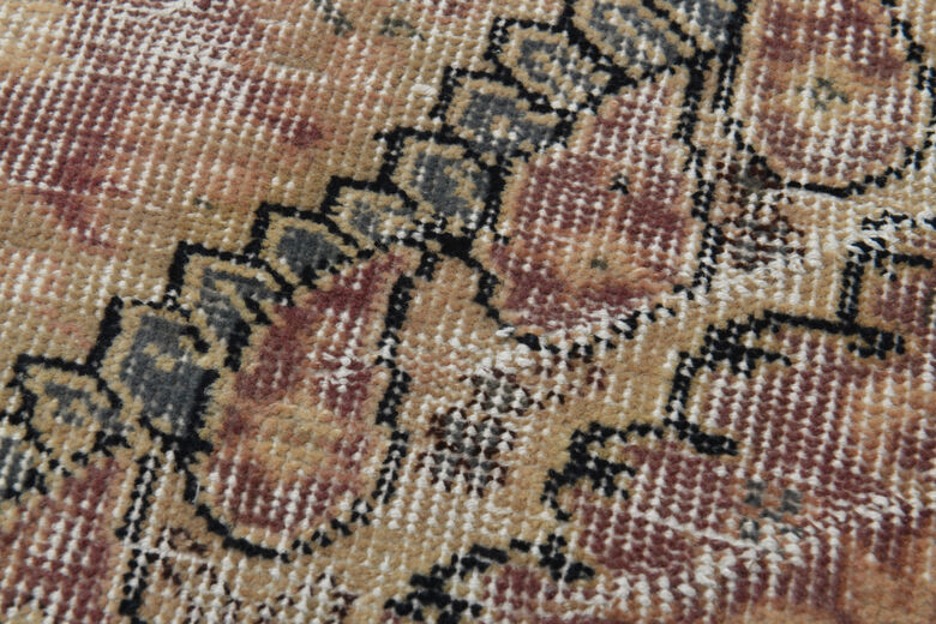
Why Do Antique and Handmade Rugs Require Different Preservation Than Modern Rugs?
Antique and handmade rugs depend on hand-tied knots and natural fiber foundations.
Machine-made rugs rely on synthetic backings and uniform construction. Handmade rugs use warp and weft structures that weaken unevenly over time. Preservation protects the foundation threads, not just the visible surface.
How Does Structural Preservation Protect Long-Term Value?
Preserving structure prevents small weaknesses from becoming irreversible damage.
Loose edges, thinning foundation threads, or weakened fringe attachments can spread if ignored. Once foundation yarns break, repair becomes more invasive. For deeper valuation considerations, see How to Preserve Antique Rug Value
What Actually Happens When Preservation Is Delayed?
In real situations, homeowners in Illinois usually:
- Continue using antique rugs in high-traffic entryways
- Ignore early fringe unraveling
- Store heirloom rugs in basements with seasonal humidity swings
Heavy traffic compresses knots unevenly. Fringe loss exposes foundation threads. Humidity fluctuation weakens natural fibers over time and increases brittleness.
Should Handmade Rugs Be Stored Periodically?
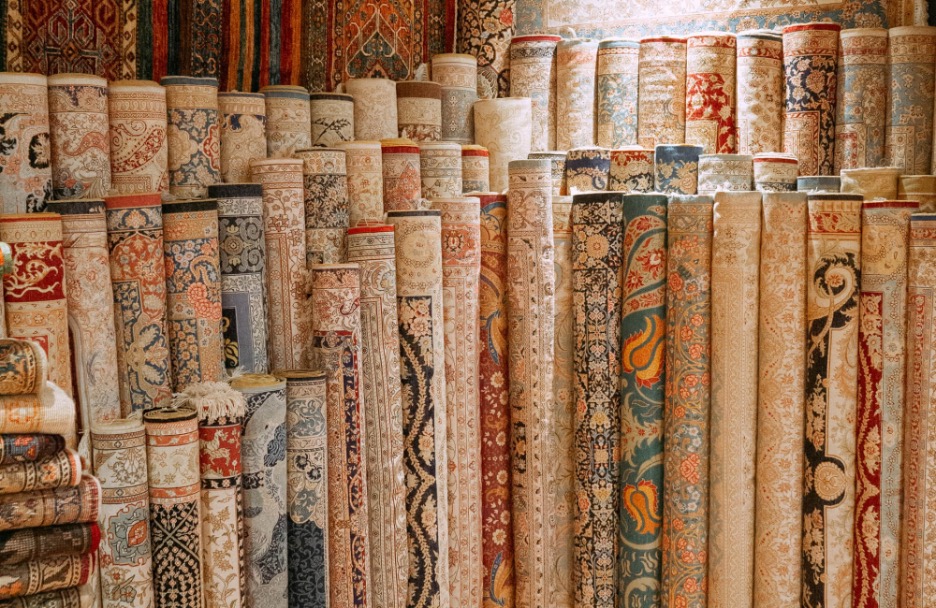
Yes, especially when environmental conditions fluctuate.
Temporary storage can reduce stress during high-humidity seasons or renovation periods. However, improper storage creates new risks. For timing guidance, see When Should Handmade Rugs Be Stored?
How Should Fringe and Edges Be Preserved?
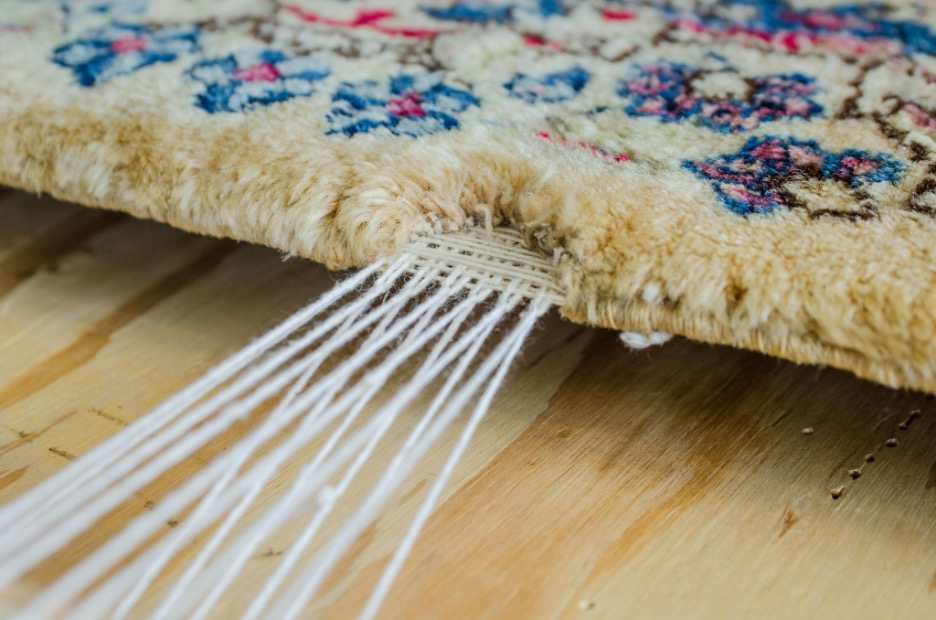
Fringe is part of the rug’s structural foundation, not decorative trim.
In handmade rugs, fringe consists of exposed warp threads. When fringe unravels, the knot structure loosens. Early stabilization prevents progressive structural loss.
When This Approach Is the Wrong Choice
Preservation strategies may not be appropriate when:
- The rug is decorative and machine-made
- Structural failure has already progressed significantly
- The rug has undergone extensive prior restoration
In those cases, repair or reconstruction decisions take priority over preservation.
Click here to know everything about Rug Protection & Preservation Services
DECISION RECAP
If the rug is over 50 years old → prioritize structural inspection.
If fringe shows unraveling → stabilize early.
If stored seasonally → control humidity and airflow.
If heirloom value matters → minimize heavy traffic placement.
Frequently Asked Questions
How often should antique rug preservation be reviewed?
Antique rug preservation should be evaluated every 1–2 years, particularly in Illinois homes where humidity fluctuates seasonally. Structural wear progresses gradually. Early detection of edge or foundation weakening reduces the need for invasive repair later.
Does preservation increase an antique rug’s value?
Preservation maintains value by preventing structural deterioration, but it does not artificially increase historical worth. Collectible rugs retain value when original materials remain intact. Poor storage or delayed care can reduce long-term appraisal potential.
Is fringe replacement the same as fringe preservation?
Fringe preservation stabilizes existing warp threads, while replacement involves reconstructing missing structural ends. Preservation is less invasive. Replacement is necessary only when structural threads have already deteriorated beyond stabilization.
About the Author:
This guide was developed by the textile specialists at Rouzati Rugs to help homeowners understand when specialized rug care decisions matter.