

Introduction: About Rug Burns
Rug burns, also known as friction burns or carpet burns, are common injuries resulting from friction between the skin and a rough surface, such as a rug or carpet. While often minor, rug burns can cause discomfort and irritation if not properly treated. In this blog, we’ll explore the causes, symptoms, treatment, and prevention of rug burns, as well as provide insights on how to heal and alleviate their effects.
Rug Burns: What You Need to Know
A quick guide to understanding, treating, and preventing rug burns.
What Is a Rug Burn?
A rug burn is a mild abrasion caused by friction between skin and a carpet or rug. It is a type of friction burn, similar to injuries like road rash or sports-related friction injuries, which all result from skin rubbing against a rough surface.
First Aid
Clean the area with soap and water, then dry softly by gently patting the area with a clean towel to avoid further irritation. Apply antibiotic ointment, and cover with a dry sterile bandage, especially for more severe burns.
When to See a Doctor
If the wound is large, infected, or not healing, seek medical attention promptly.
Prevention
Use rugs with soft textures and ensure children wear protective clothing when playing on carpets. Not using protective clothing or safety gear leads to an increased risk of developing rug burns, especially in children or during sports activities.
Skin Care Tips
Apply moisturizing lotion and avoid scratching to promote faster healing and reduce scarring.
What Causes a Rug to Burn Skin?
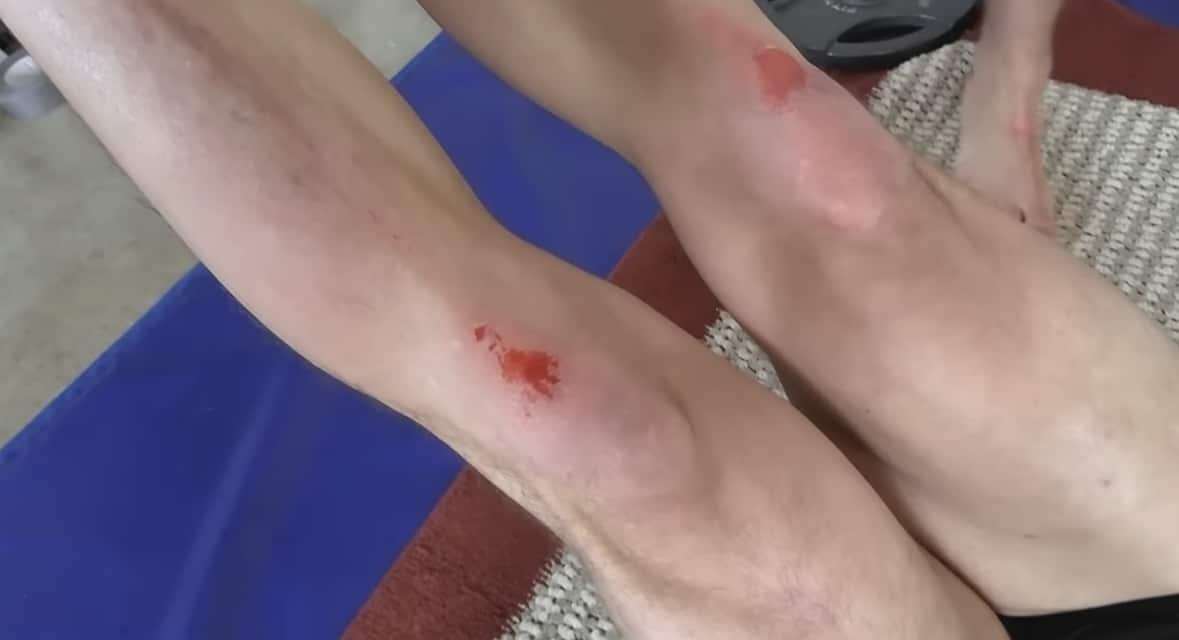
Rug burns occur when there is friction between the skin and a rough or abrasive surface, such as a rug or carpet. Friction generates heat, which can damage the skin. When friction generates enough heat, it can cause a thermal burn, resulting in more severe injuries like blisters or peeling that may require advanced treatment. Rug burns typically affect the outer layer or top layer of skin, causing abrasions or blisters.
Activities that involve rapid movement or contact with abrasive surfaces, such as playing sports, wrestling, or falling on carpeted floors, can lead to rug burns. Similar injuries can also occur on artificial grass during outdoor sports, on gym floors during indoor activities, or from contact with vacuum cleaners, especially when moving parts like the brush mechanism come into contact with skin.
Click HERE to see a video on how rug burn occurs!
Symptoms of a Rug Burn
The symptoms of a rug burn may vary depending on the severity of the injury. Common symptoms include redness, swelling, pain, and tenderness at the site of the burn. The affected area may also feel tender to the touch, especially in the initial stages after injury. In more severe cases, blistering or skin abrasions may occur.
What Should Be Done for Carpet Burn?
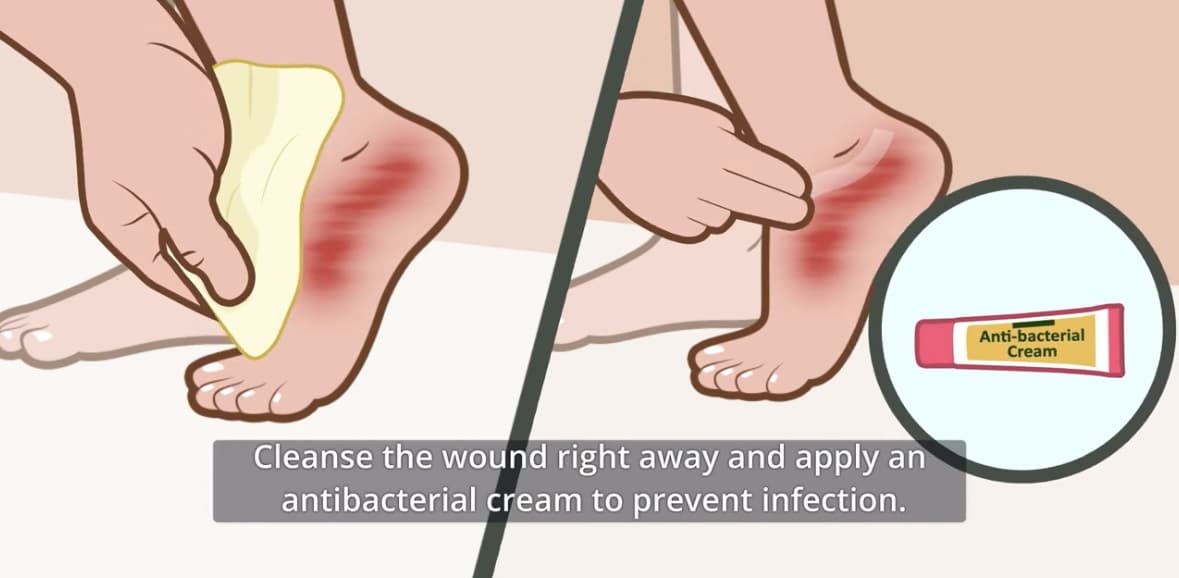
The immediate treatment for rug burns involves cleaning the affected area with mild soap and water to remove dirt and debris. Rug burns are treated in the same way as other minor burns or superficial wounds, so the care steps are similar. Apply a thin layer of antibiotic ointment to prevent infection and cover the burn with a sterile bandage or gauze pad to protect it from further irritation.
What to Put on a Rug Burn
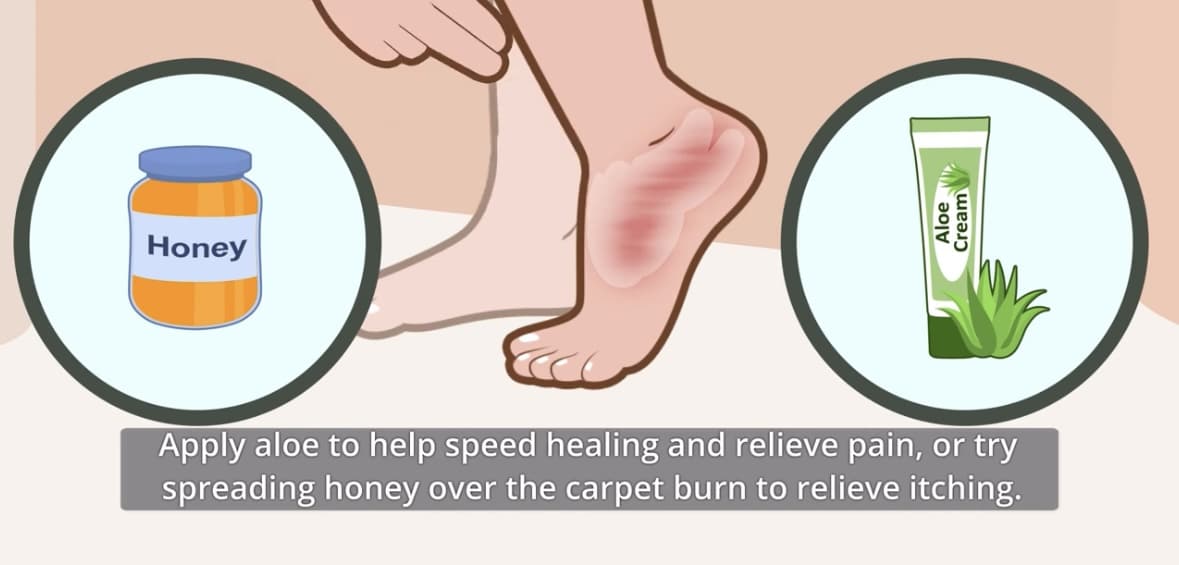
When considering what to put on a rug burn to alleviate pain and promote healing, good options include aloe vera gel or an over-the-counter hydrocortisone cream to the affected area. These products can help soothe inflammation and reduce discomfort associated with rug burns. Additionally, keeping the burn moisturized with a gentle moisturizing lotion can prevent dryness and promote skin healing.
Pain Management Strategies for Rug Burns
Managing pain from rug burns is essential not only for comfort but also to support the healing process and prevent further irritation. When skin rubs against a rough surface, such as carpeted floors or gym mats, the resulting friction burn can range from minor to severe, depending on the degree of friction and the depth of skin affected.
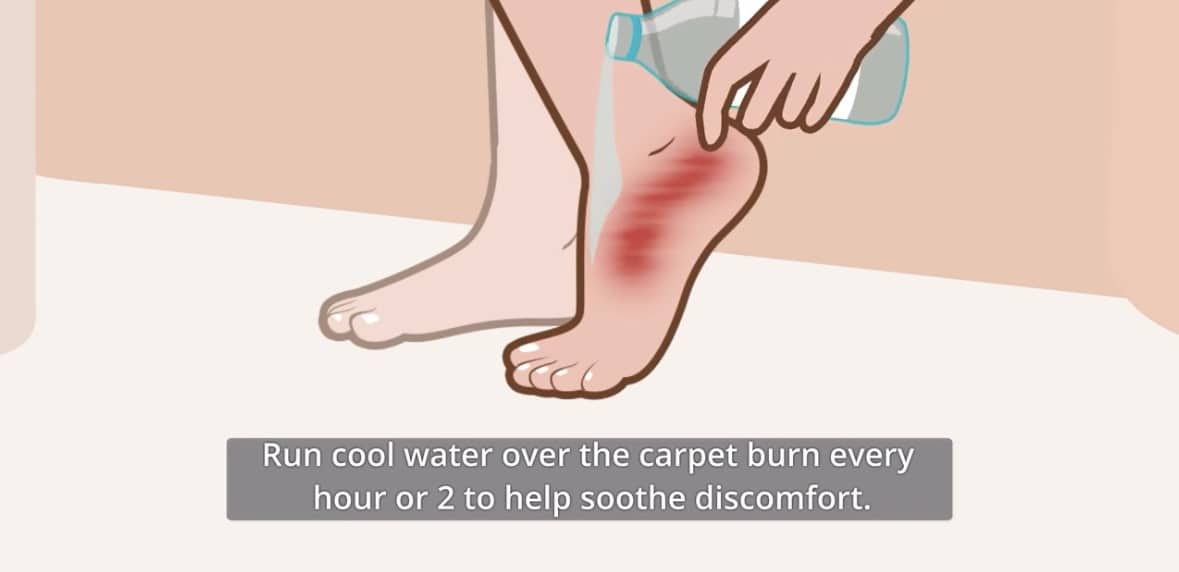
For minor friction burns, which typically involve only the outermost layer of skin, pain can often be managed at home. Start by gently cleaning the affected area with mild soap and cold water to remove debris and reduce the risk of infection. Applying a cool compress or a soothing layer of aloe vera gel can help reduce discomfort and inflammation. Over-the-counter pain relievers like ibuprofen or acetaminophen are effective for managing mild pain and swelling. To promote healing, keep the wound clean and covered with a sterile bandage, and avoid exposing the area to further friction or abrasive surfaces.
Second degree friction burns, which penetrate deeper into the skin and may cause blistering or partial thickness wounds, require more attentive care. In these cases, pain management may include the use of medicated topical ointments or creams to soothe the affected area and prevent infection. Cover the wound with a dry sterile bandage to protect it from further irritation. It’s important not to pick at scabs or attempt to remove dead tissue, as this can delay healing and increase the risk of infection. If you notice increased redness, swelling, or other signs of infection, consult a healthcare provider promptly.
Severe friction burns, such as third degree friction burns, can damage both the outer and underlying layers of skin, sometimes destroying nerve endings and resulting in significant pain or numbness. These burns may require advanced medical treatment, including skin grafts or surgical intervention, to promote healing and restore damaged tissue. If you experience a foul smell, persistent pain, or see no improvement in the wound site, seek medical attention immediately. Prompt care is crucial to prevent infection and support the skin’s natural healing process.
To help prevent rug burns and reduce the risk of severe cases, consider wearing protective clothing like elbow pads or knee pads when playing sports or engaging in activities on abrasive surfaces. Applying a barrier cream to areas prone to friction can also help protect the skin. Remember, keeping the wound clean, applying antibiotic ointment, and covering it with a loose bandage are key steps to promote healing and reduce discomfort.
By understanding the different types of friction burns and following proper pain management strategies, you can help your skin heal quickly and effectively. Always monitor the affected area for signs of infection, and don’t hesitate to seek medical attention for severe or non-healing burns. With the right care, most rug burns will heal without complications, allowing you to get back to your daily activities with minimal discomfort.
How to Get Rid of a Rug Burn
If you’re wondering how to get rid of rug burn faster, while rug burns typically heal on their own within a week or two, there are steps you can take to expedite the healing process. Avoid scratching or picking at the burn, as this can increase the risk of infection and prolong healing time. Instead, keep the burn clean and protected with a sterile bandage or gauze pad, and avoid exposing it to friction or abrasive surfaces.
How to Heal a Rug Burn
To promote healing and properly learn how to treat rug burn for the long term, it’s essential to keep the affected area clean and protected from further irritation. If the rug burn is severe or shows signs of infection, such as increased redness, swelling, or pus drainage, seek medical attention promptly. A healthcare professional can assess the burn and provide appropriate treatment, such as prescription antibiotics or wound care.
Conclusion
Rug burns are a common occurrence, especially among active individuals or those with young children. While often minor, rug burns can cause discomfort and inconvenience if not properly treated. By understanding the causes, symptoms, treatment, and prevention of rug burns, individuals can take proactive steps to protect themselves and their loved ones from these painful injuries. Whether seeking immediate relief or long-term healing, proper care and attention are essential for managing rug burns effectively.
If, due to a rug burn accident, you require rug repair or cleaning services, and you’re in the Chicago area, consider reaching out to reputable providers of rug repair and rug services in Chicago for expert assistance in restoring your rugs to their former glory. These professionals possess the expertise and tools needed to repair tears, holes, or fraying edges caused by rug burns. Additionally, they can perform deep cleaning treatments to remove stubborn stains and odors, ensuring your rug looks and feels its best.
Call Rouzati Rugs at 847-328-0000 ext. 1 or email at info@rouzatirugs.com to schedule an appointment.