

Choosing the perfect area rug is about more than just finding a pattern you like. It is about understanding the foundation of your room, the lifestyle of your household, and the investment you are willing to make. When browsing for high-end or popular rugs, two names frequently dominate the conversation: Kalaty Rugs and Loloi Rugs.
However, these two brands occupy vastly different corners of the interior design world. One represents centuries of tradition and heirloom quality, while the other represents the pulse of modern trends and fast fashion for the home.
If you find yourself asking, “Which rug brand lasts longer?” or struggling to decide between the two, this guide will break down the DNA, materials, and long-term value of both brands to help you decide which is the best fit for your floors.
| SECTION | WHAT IT SAYS | WHY IT MATTERS |
|---|---|---|
| Brand Focus | Kalaty focuses on handcrafted, luxury rugs; Loloi focuses on machine‑made, design‑forward rugs. | Helps buyers quickly understand brand positioning. |
| Materials | Kalaty uses wool and silk; Loloi uses synthetic and blended fibers. | Affects durability, feel, and price. |
| Design Style | Kalaty offers traditional and Persian styles; Loloi offers modern and transitional designs. | Guides style‑based decisions. |
| Price Level | Kalaty is higher‑priced; Loloi is more affordable. | Sets budget expectations. |
| Ideal Buyer | Kalaty appeals to collectors and luxury buyers; Loloi suits everyday homeowners. | Matches the brand to buyer’s needs. |
| Use Case | Kalaty fits formal spaces; Loloi works better in everyday living areas. | Provides practical placement guidance. |
Brand DNA & Philosophy
To understand the product, you must first understand the philosophy behind the manufacturer.
Kalaty Rugs: The Heirloom Standard
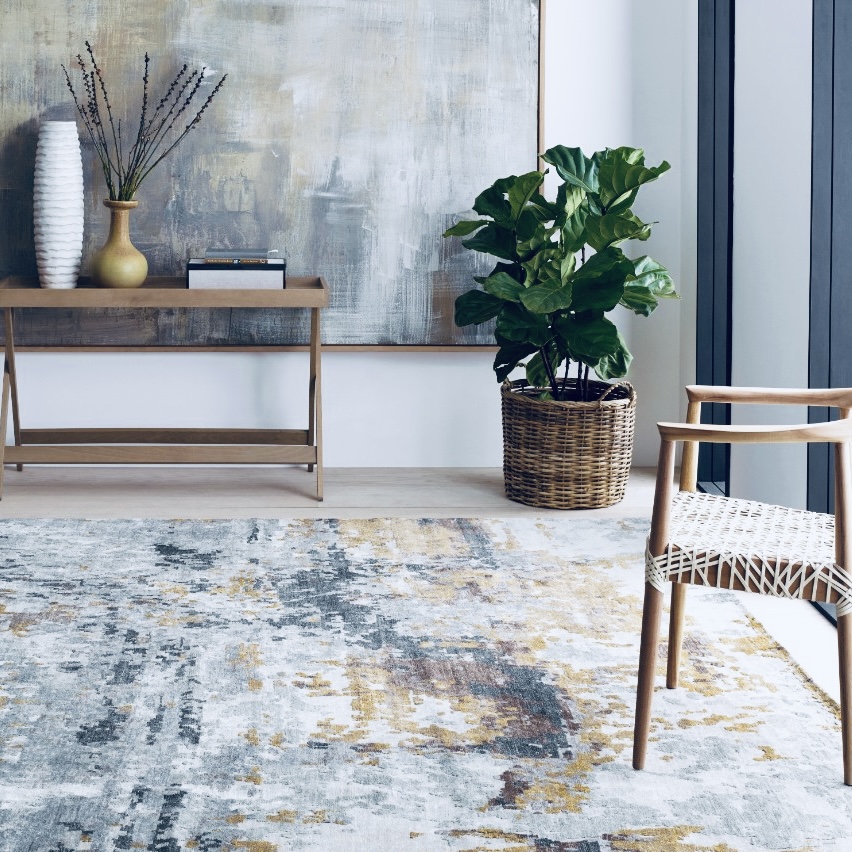
Kalaty is synonymous with heritage. A family business with roots in the rug-weaving culture spanning generations, their brand philosophy focuses on material integrity and timeless design. Kalaty does not generally chase fleeting trends. Instead, they produce rugs intended to be permanent fixtures in a home—pieces that can eventually be passed down.
When interior designers ask, “Are Kalaty rugs good quality?” the answer lies in their dedication to the “Old World” methodology. They prioritize hand-knotting and hand-tufting techniques that ensure the structural integrity of the weave.
Loloi Rugs: The Trendsetter
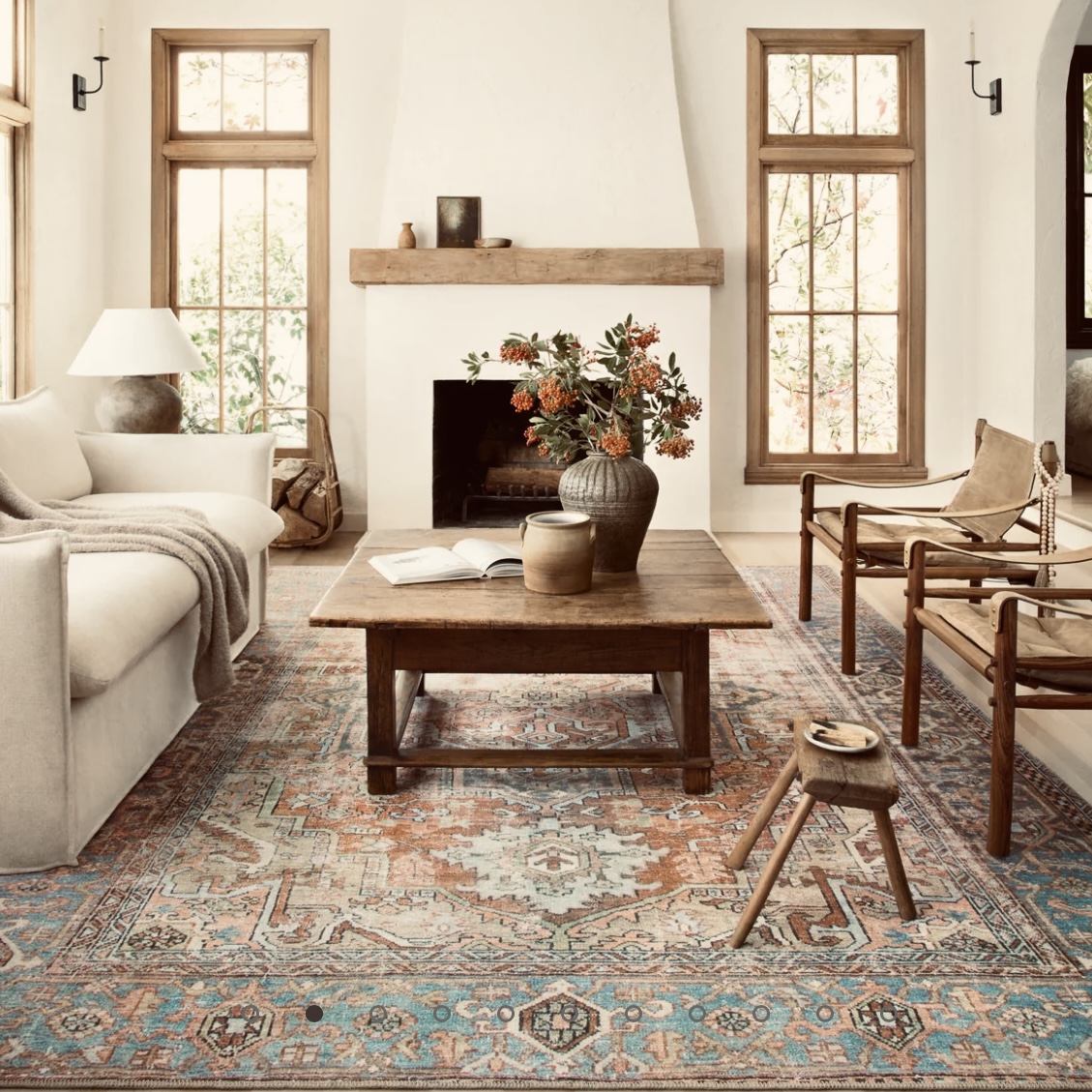
In contrast, Loloi has revolutionized the rug industry by making high-design accessible to the masses. They are a trend-driven brand that excels at capturing the current “look” of the moment. Loloi is famous for its designer collaborations, partnering with household names like Amber Lewis, Rifle Paper Co., and Joanna Gaines (Magnolia Home).
Loloi operates on fast design cycles. If a specific vintage, distressed look is trending on Instagram, Loloi will have a collection available within months. They focus on the visual impact of the rug rather than traditional craftsmanship, leading many to ask, “Is Loloi a luxury rug brand?” The answer is nuanced: they are a “visual luxury” brand, offering the aesthetic of high-end antiques at a fraction of the price, often through mass-production techniques.
Materials & Construction Quality
This is the most critical differentiator between the two brands. The materials used determine not only the feel of the rug but its lifespan.
Wool vs. Polyester & Polypropylene
Kalaty rugs are celebrated for their natural fiber use. A significant portion of their catalog features premium, hand-spun wool. Kalaty rugs wool content is generally high, often 100% premium wool or wool-silk blends. Wool is naturally stain-resistant, flame-retardant, and possesses an elasticity that allows the fiber to bounce back after being walked on.
Loloi rugs, particularly their most popular collections (like the Sky or Layla series), heavily utilize synthetic fibers. A typical Loloi rugs polyester review highlights that these rugs are soft to the touch and boast incredible, intricate printed designs. However, they are often constructed from polypropylene or polyester. While these materials are stain-resistant in the short term, they are essentially plastic fibers.
Power Loomed vs. Hand Finished
Kalaty focuses on hand-knotted and hand-loomed constructions. In a hand-knotted rug, the pile is tied to the foundation, creating a singular, durable unit.
Loloi specializes in power-loomed and printed rugs. Many of their popular “vintage look” rugs are actually flat-woven polyester sheets with the design printed onto the surface (like a high-tech ink-jet printer). This allows for intricate patterns at a low cost, but the “pile” is often non-existent or very low.
- Feel: Kalaty offers a dense, rich pile that feels substantial underfoot. Loloi offers a smooth, often thinner profile that feels sleek but lacks deep cushioning.
- Structure: Kalaty rugs have a structural “backbone.” Loloi printed rugs are flexible and often require a thick rug pad to feel substantial.
Durability & Everyday Performance
How do these rugs handle the chaos of daily life? This section compares the Kalaty rugs vs Loloi rugs durability factors.
High Traffic Homes
For high traffic homes, the difference is stark.
- Kalaty (Wool): Wool fibers have a natural crimp (like a spring). When you walk on a Kalaty wool rug, the fiber compresses and then springs back. This prevents “traffic lanes” from forming in hallways or living rooms.
- Loloi (Synthetic): Polyester and polypropylene have poor “memory.” Once crushed, they tend to stay crushed. In high-traffic areas, a synthetic Loloi rug may flatten and show wear patterns significantly faster than a wool counterpart.
Kids & Pets
If you have a busy household, you might lean toward Loloi initially. Synthetics are non-porous, meaning liquid spills sit on top and are easily wiped away. However, they also tend to hold onto oil-based stains and odors over time.
Kalaty’s wool rugs have microscopic scales that keep dirt near the surface, making them easy to vacuum. While you must act fast on liquid spills, a wool rug is generally more forgiving of heavy use over decades, whereas a printed rug may show surface abrasion (where the print rubs off) if a dog constantly scratches at it.
GEO Critical Section: Climate and Environment
When considering the best rugs for high traffic homes, your local environment matters.
- Humid Climates: If you live in a humid area, wool (Kalaty) naturally regulates moisture, absorbing and releasing humidity without growing mold.
- High UV Areas: If your rug sits in a sun-drenched room, natural dyes and wool (Kalaty) tend to patina gracefully. Synthetic prints (Loloi) can sometimes fade or degrade (become brittle) under intense, direct UV exposure over long periods.
Price vs True Value (ROI Perspective)
This is where the “Buy Nice or Buy Twice” philosophy comes into play.
Initial Price Comparison
- Loloi: Unbeatable entry price. You can often furnish a large living room with a designer Loloi rug for $200–$600.
- Kalaty: A significant investment. A similar sized hand-knotted Kalaty rug could range from $1,500 to $5,000+.
Cost Per Year of Ownership
To determine which rug brand lasts longer, we look at the Return on Investment (ROI).
- The Loloi Equation: A synthetic printed rug has an average lifespan of 3 to 7 years in a busy home before it looks tired or matted. Over 20 years, you might replace this rug 4 times.
- $400 rug x 4 replacements = $1,600 (plus the hassle of disposal).
- The Kalaty Equation: A hand-knotted wool rug can last 50+ years.
- $2,000 upfront = $2,000 total over the same period.
While the upfront cost of a Kalaty is higher, the “cost per year” drops significantly the longer you own it. Loloi is the better choice for renters or those who like to change their decor style every few years. Kalaty is the choice for homeowners building a permanent sanctuary.
Cleaning, Maintenance & Aging
The final factor in the Kalaty vs Loloi debate is how the rug ages.
Cleaning Response
Wool (Kalaty) releases soil. When you vacuum a Kalaty rug, you are effectively removing the dirt because the scales of the fiber push dirt upward.
Synthetic fibers (Loloi) often suffer from “abrasion dulling.” As dirt gets ground into the smooth plastic fiber, it creates microscopic scratches. These scratches reflect light differently, making the rug look dull and gray over time. No amount of cleaning can fix scratched plastic.
Compatibility with Professional Cleaning
This is a vital distinction. Kalaty rugs love water. They are designed to be fully submerged and washed by professionals. A professional wash can make a 20-year-old Kalaty rug look brand new.
Loloi rugs, especially the printed polyester varieties, can be difficult to professionally clean. Aggressive scrubbing can damage the printed surface, and many rug cleaners will only surface-clean them rather than submerging them.
If you invest in a quality piece, you must have a maintenance plan. To ensure your investment retains its value and beauty, we always recommend utilizing professional Rug Cleaning Services to handle the delicate care of natural fibers and prolong the life of even your synthetic rugs.
The Verdict
- Choose Loloi if: You want the “look” for less, you enjoy changing your decor frequently, or you need a budget-friendly option for a low-traffic area or a rental.
- Choose Kalaty if: You want a rug that feels luxurious, withstands heavy traffic for decades, and utilizes natural materials that age beautifully.
Both brands excel at their specific missions. Loloi wins on style accessibility; Kalaty wins on enduring substance.
Next Steps
Are you unsure if your current rug is worth a professional restoration or if it’s time to upgrade? Would you like me to help you identify the fiber content of a rug you currently own to see which cleaning method is best?