

Patterned curtains can bring personality, color, and texture into a room, but they can also be tricky to style when it comes to choosing the right rug. You want to avoid clashing patterns while ensuring that the rug and curtains complement each other. Coordinating curtains and rugs is essential for creating a cohesive and harmonious living space, as these elements play a key role in the overall design and ambiance of your room. With the right strategy, a well-chosen rug can enhance the overall look of your space, making it feel harmonious and visually appealing.
In this guide, we’ll explore various ways to pair rugs with patterned curtains, helping you find the right balance between boldness and subtlety. Whether you’re going for a more neutral look or want to experiment with mixing patterns, there’s an approach that will work for your style.
1. Pay Attention to the Pattern and Colors of Your Curtains
Before you start thinking about rugs, it’s essential to take a close look at your curtains. Consider the size of the pattern, the colors, and the overall mood they set in the room. This will help guide your choice when it comes to selecting a rug that works well alongside them.
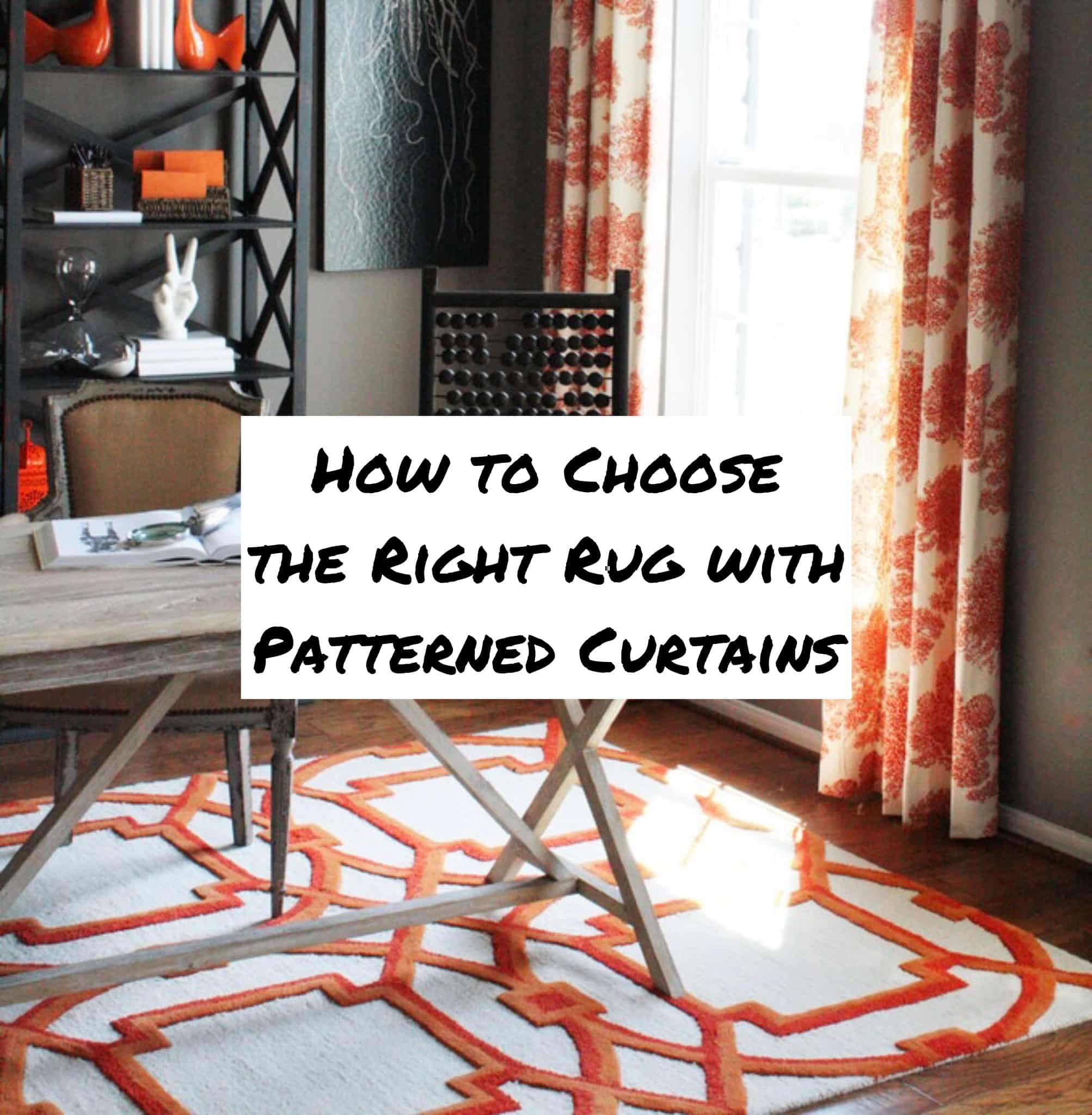
- Bold and Bright Patterns: If your curtains have large patterns or bright colors, you’ll want to balance them with a more neutral rug. This way, the rug won’t compete with the curtains for attention, keeping the room from feeling too busy. Choosing lighter curtains can also help brighten and visually enlarge a space, especially when paired with the right rug.
- Delicate and Muted Patterns: If the curtains have a softer, more delicate pattern, you have more flexibility with your rug choice. You might opt for a patterned rug with a subtle design or even choose a rug that echoes the color palette of the curtains.
Using different curtains in the same room can also work well, as long as they complement each other in color, style, or pattern. This approach can create visual harmony and add interest, especially when the curtains are thoughtfully coordinated.
By understanding the visual impact of your curtains, you can choose a rug that complements them without overwhelming the space.
2. Neutral Rugs: A Safe, Timeless Option
One of the simplest and most versatile ways to pair a rug with patterned curtains is to opt for a neutral rug. Neutral rugs act as a subtle base, allowing the curtains to stand out while still providing a cohesive, balanced look. A neutral palette can serve as a calming backdrop for patterned curtains, enhancing the overall harmony of the space.
- Solid Neutral Rugs: A solid-colored rug in shades like gray, beige, ivory, or taupe is a fail-safe option when you’re working with patterned curtains. Neutral tones are the most popular curtain colors due to their versatility and timeless appeal, making them an excellent choice for both rugs and curtains. This choice helps keep the focus on the curtains while adding texture and warmth to the space.
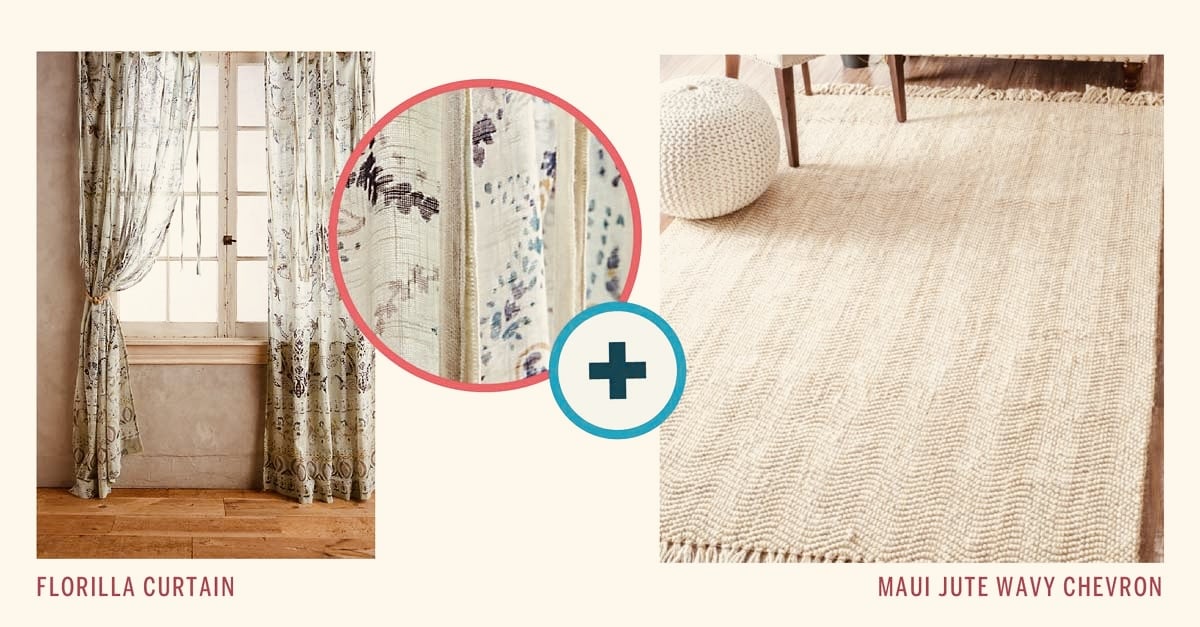
- Textured Neutral Rugs: If you want a little more interest than a plain rug provides, consider a neutral rug with texture, such as jute, sisal, or wool. These rugs can add depth to the room without clashing with the patterns on the curtains.
Neutral rugs work particularly well if you’re looking for a simple, elegant design that keeps the room feeling calm and coordinated.
3. Mixing Patterns: A Creative and Dynamic Approach
For those who enjoy a more eclectic look, mixing patterns can create a dynamic and visually exciting room. Many people have a pretty intense fear of mixing patterns, but following pattern combo-ing guidelines can make the process much more approachable and successful. The key to success is ensuring that the patterns complement each other by varying the scale or type of design.
- Vary the Scale: If your curtains feature a large, bold pattern, such as a large scale pattern, choose a rug with a smaller, more subtle design. This creates a balance that allows both elements to shine without competing for attention.
- Mix Different Patterns: You can also mix different types of patterns to create contrast. For example, pairing floral curtains with a geometric rug can work beautifully, as long as the colors are in harmony. Stripes, chevrons, or trellis designs often pair well with more organic, flowing patterns like florals.
If you want a safe and balanced approach to pattern mixing, consider using a classic grid pattern combo-ing. The classic grid is a timeless option that provides a reliable, neutral foundation when pairing rugs and curtains.
When mixing patterns, it’s essential to keep the color scheme consistent. This will help the room feel cohesive even with multiple patterns in play.
4. Subtle Patterned Rugs: A Happy Medium
If you’re not ready to dive into bold patterns but want something more interesting than a plain rug, a subtle patterned rug might be the answer. Subtle patterns can enhance the room’s ambiance and maintain harmony, creating a cohesive and calming interior decor. These rugs feature understated designs that add texture and interest without drawing too much attention.
- Tone-on-Tone Rugs: A tone-on-tone rug, where the pattern is created using slight variations in shade or texture, offers a refined look that complements patterned curtains without overpowering them. This approach adds depth and interest while maintaining balance in the room.
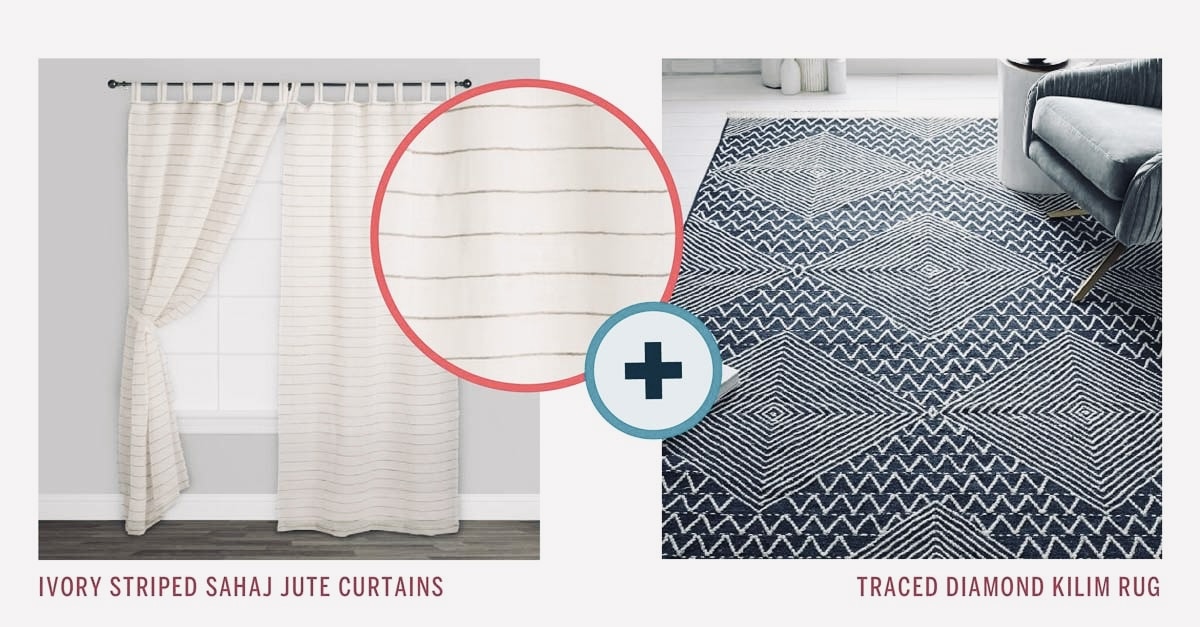
- Small Geometric or Abstract Patterns: Rugs with small-scale geometric or abstract patterns can also work well with patterned curtains. These patterns offer just enough visual interest without overwhelming the space or clashing with the curtains.
Subtle patterned rugs are a great choice for those who want to add a bit of flair without going overboard. They provide a perfect middle ground between simplicity and creativity.
5. Coordinating Colors: Bring Harmony to the Room
Another strategy for pairing a rug with patterned curtains is to focus on color coordination. Coordinating rugs with curtains is essential for achieving visual harmony and a balanced look in your space. By choosing a rug that echoes the colors found in the curtains, you create a sense of harmony and flow throughout the space.
- Pick an Accent Color: One way to coordinate is by choosing a rug that matches one of the accent colors in the curtains. For instance, if your curtains have a floral design with shades of blue and yellow, a rug in a soft blue can tie everything together.
- Monochromatic Palette: If you prefer a more subtle, cohesive look, opt for a rug in the same color family as the curtains, but in a slightly different shade. This monochromatic approach keeps the room feeling unified without too much contrast.
Tip: Before making a final decision, use fabric swatches to test how different rug and curtain textiles look together in your space and lighting. This helps ensure your color combinations work well in real conditions.
Coordinating colors helps create a seamless transition between the rug and curtains, making the room feel well-thought-out and polished. Be sure to consider wall paint as part of the overall color coordination process for a truly cohesive design.
6. Bold Choices: Rugs That Make Their Own Statement
Sometimes, the best way to pair a rug with patterned curtains is to choose a rug that makes its own bold statement. This approach works well if you want both the rug and the curtains to be focal points, adding energy and personality to the room.
- Contrasting Colors: A bold, contrasting rug can create a lively, vibrant look. For example, if your curtains are a rich green with botanical designs, a rug in a complementary shade like terracotta or mustard can bring a dynamic contrast. Incorporating color block rugs or curtains is another way to create striking visual interest and add a modern touch to your space.
- Strong Geometric Patterns: If your curtains have a soft, organic design like florals, you could choose a rug with a strong geometric pattern to create an interesting contrast. Alternatively, a solid rug can provide balance when paired with bold curtains, helping to ground the space while still making a statement. This approach works well in modern or eclectic spaces where bold design choices are embraced.
While this approach is more daring, it can result in a beautifully balanced room that feels energetic and cohesive. Always consider the visual weight of both the rug and curtains to maintain harmony and ensure the space doesn’t feel overwhelming.
Choosing the Right Rug Size for Your Space
Selecting the right rug size is just as important as choosing the right pattern or color. A well-sized rug helps anchor your furniture pieces and creates a cohesive, inviting atmosphere in any room. If your rug is too small, it can make the space feel disconnected and awkward, while an oversized rug might overwhelm the room and hide your beautiful flooring.
For a living room, aim for a rug that’s large enough so that at least the front legs of your sofa and chairs rest on it. In larger rooms, you can go even bigger, allowing all the furniture pieces to sit comfortably on the rug. A good rule of thumb is to leave about 6-12 inches of floor space between the edge of the rug and the walls, which frames the area nicely without making it feel cramped.
Consider the shape of both your room and your rug. Rectangular rugs work well in most living rooms, while square rugs are ideal for square-shaped rooms or under a square dining table. By choosing the right rug size, you’ll create a seamless transition between your furniture and flooring, making the entire room feel more put together and welcoming.
Using Texture to Add Depth and Interest
Texture is a powerful tool in home decor, especially when pairing rugs and curtains. Mixing different textures—like a plush, high-pile rug with crisp, sheer curtains—adds visual interest and creates contrast that brings your room to life. Texture can also add warmth and comfort, making your space feel more inviting.
Try layering a soft wool rug underfoot with linen or velvet drapery panels for a cozy yet sophisticated look. Or, pair a natural fiber rug, such as jute or sisal, with lightweight, flowing curtains to create a relaxed, airy vibe. Don’t be afraid to mix in other textures through furniture and accessories, like a leather sofa or metallic curtain hardware, to further enhance the depth of your design.
By thoughtfully combining different textures, you’ll add visual interest and dimension to your room, making it feel rich, dynamic, and uniquely yours.
Considering the 60-30-10 Rule for Color Balance
60% Dominant Color
If you have a bold patterned rug that sets the tone for your color palette, let it take up the dominant 60% of the room.
30% Secondary Color
Pair the rug with solid curtains in a complementary secondary color, covering about 30% of the visual space.
10% Accent Color
Introduce accent colors through throw pillows, artwork, or small accessories that make up the final 10% of the color scheme.
For example, if you have a bold patterned rug that sets the tone for your color palette, let it take up the dominant 60%. Pair it with solid curtains in a complementary secondary color, covering about 30% of the visual space. Then, introduce accent colors—perhaps through throw pillows, artwork, or small accessories—that make up the final 10%. Be mindful of your wall color and other elements in the room to ensure everything works together within your chosen color scheme.
By following the 60-30-10 rule, you’ll create a room that feels balanced and thoughtfully designed, with your rug and curtains working together to enhance the overall look.
Using Lighting to Enhance the Impact of Rugs and Curtains
Lighting can dramatically influence how your rugs and curtains look and feel in a room. Natural light streaming through sheer curtains can highlight the colors and patterns of your area rug, making the space feel bright and open. In the evening, the right artificial lighting can create a warm, inviting atmosphere that draws attention to your carefully chosen window treatments and floor coverings.
Consider layering different types of lighting—such as overhead fixtures, table lamps, and floor lamps—to create pools of light that accentuate your rugs and curtains. The color temperature of your bulbs also matters: warm white bulbs add coziness, while cooler tones can make colors pop and energize the room. Don’t forget about the direction and intensity of your lighting, as these factors can enhance textures and add depth to your decor.
By thoughtfully using both natural and artificial light, you can showcase your rugs and curtains to their best advantage, creating a room that feels welcoming and visually engaging at any time of day.
Final Considerations
When choosing a rug to pair with patterned curtains, there are a few key things to keep in mind:
- Room Size: In smaller rooms, keep the rug and curtain pairing more subtle to avoid overwhelming the space. In larger rooms, you have more freedom to experiment with bold patterns and colors.
- Room Function: Consider how much traffic the room gets. In high-traffic areas like living rooms or kitchens, you may want to choose a durable, easy-to-clean rug.
- Overall Style: Think about the overall design style of the room. If you’re aiming for a minimalist or modern look, keep the rug simple. For more eclectic or traditional spaces, you can get more creative with patterns and colors. Floor length curtains can add elegance and cohesion to a room, making the space feel taller and more formal. Also, when coordinating rugs and curtains, remember to consider any patterned furniture in the room to ensure a balanced mix of scale, color, and texture.
Using similar textures across rugs and curtains helps create a unified look and adds depth and flow throughout your space.
Conclusion
Pairing a rug with patterned curtains doesn’t have to be a challenge—learning how to expertly pair curtains with rugs is key to achieving a cohesive look. By considering factors like pattern scale, color coordination, and overall room design, you can choose a rug that complements your curtains beautifully, with matching curtains being one effective strategy for creating harmony.
Whether you prefer the simplicity of a neutral rug, the excitement of mixing patterns, or want to consider oriental rugs for a touch of tradition and luxury, there’s a solution that will help you create a room that’s stylish, balanced, and uniquely yours. For those seeking a custom or budget-friendly solution, diy options like creating your own curtains or reupholstering rugs can add a personal touch and save money.